Mary Berry Colcannon Recipe (Irish Dish in British Style)
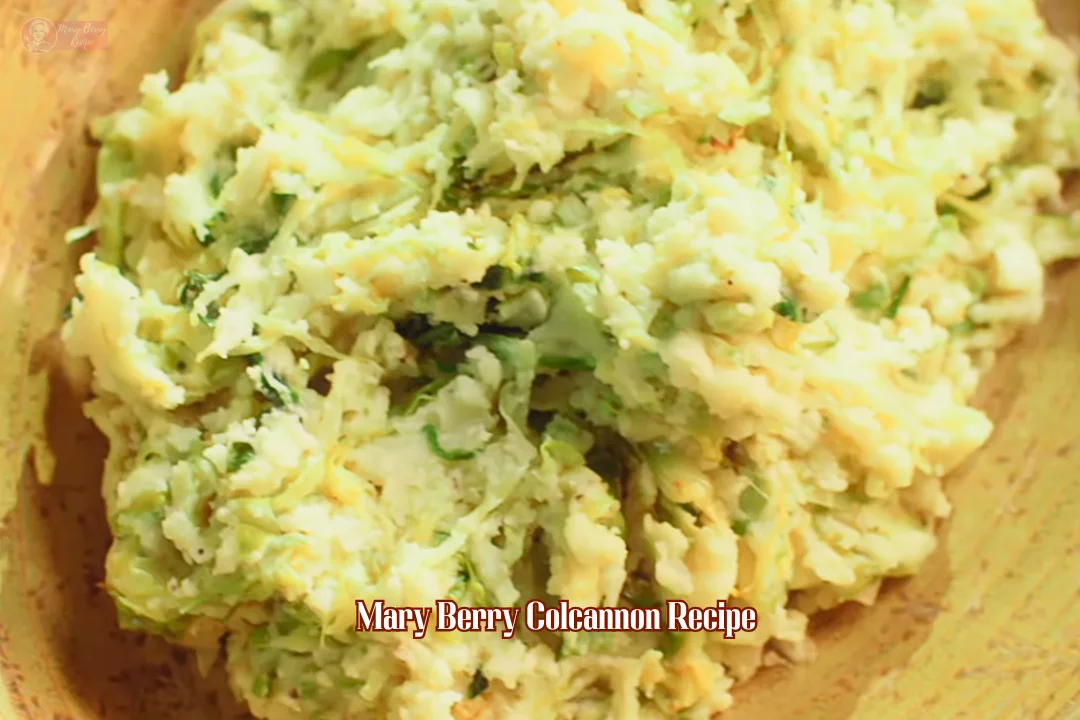
Butter melting into hot mashed potatoes is one of those little things that never gets old, and this Mary Berry Colcannon Recipe brings exactly that kind of comfort to the table. The mash stayed soft and creamy, while the cabbage gave it a lovely bite.
This old Irish potato dish has been around for years, and there is a reason people still cook it today. It feels proper comforting without needing fancy bits from the shop.
Colcannon is well known across Ireland and the UK because it uses simple kitchen staples like potatoes, butter, milk, and cabbage. Mary Berry’s colcannon mash version keeps things easy and homely, which is one reason I enjoy it so much.
You only need a few ingredients, but the flavour feels rich and hearty. I like serving it with sausages or roast chicken, though it works just as nicely on its own with melted butter on top.
If you enjoy classic Mary Berry colcannon mash potato dishes with proper cosy flavour, this one is worth making tonight.

What is Colcannon Mash?
Colcannon mash is a traditional Irish mashed potato dish mixed with cabbage or greens. Some versions also use leeks or spring onions for extra flavour.
A few things make it stand out:
- It uses floury potatoes for fluffy mash
- Butter and warm milk keep it rich
- Cabbage adds texture and colour
- Spring onions bring a mild savoury taste
- It works as both a side dish and main comfort food
I first tried colcannon during autumn, and honestly, it felt like proper comfort food after one spoonful. It is filling without being heavy and fits nearly any dinner table in the UK.
Mary Berry Colcannon vs Traditional Irish Colcannon
Mary Berry’s colcannon keeps close to the old Irish version, though her method feels lighter and easier for everyday cooking.
Traditional recipes can sometimes use kale or cream, while Mary Berry keeps things simple with spring cabbage, butter, and milk.
| Feature | Mary Berry Colcannon | Traditional Irish Colcannon |
|---|---|---|
| Greens Used | Spring cabbage | Kale or cabbage |
| Texture | Smooth and creamy | Slightly chunkier |
| Flavour | Mild and buttery | Rich and earthy |
| Cooking Style | Simple and quick | More rustic |
| Best Served With | Roasts and sausages | Bacon or ham |
Perfect For
- A cosy cold-weather meal – Warm buttery mash with soft cabbage feels proper comforting on chilly evenings.
- Serving with sausages – The creamy potatoes go brilliantly with pork sausages and rich onion gravy.
- Roast dinner sides – Works really well beside roast chicken, lamb, or beef without taking over the plate.
- Using extra cabbage – Handy recipe for using leftover spring cabbage sitting in the fridge.
- Meat-free dinners – A warm bowl on its own still feels filling and satisfying after a long day.
- St Patrick’s Day meals – A classic Irish favourite that always fits nicely on celebration tables.
Mary Berry Colcannon Ingredients
225g Spring Cabbage, finely shredded – Spring cabbage keeps the colcannon light and fresh instead of too heavy. I finely shred it so it softens quickly but still keeps a little bite once mixed through the creamy mash. Savoy cabbage also works if that’s already sitting in the fridge.
2 Spring Onions, finely chopped – These give a gentle onion flavour without overpowering the potatoes. Finely chopping them helps everything blend nicely into the mash. I usually grab the fresh bunches from Tesco or Aldi because they stay mild and crisp.
1.5kg Floury Potatoes (such as Rooster potatoes) – Rooster potatoes make the mash fluffy and soft, which is exactly what good colcannon needs. Maris Piper potatoes work nicely too. Waxy potatoes are best avoided here because they can turn heavy and slightly gluey after mashing.
75g Salted Butter, plus extra for serving – Salted butter gives the mash a rich proper comforting flavour. I use regular British salted butter because it melts smoothly into the potatoes and cabbage. A little extra over the top before serving makes the whole dish taste even better.
120ml Warm Milk – Warm milk keeps the mashed potatoes smooth and creamy without cooling them down too quickly. Full-fat milk gives the best texture, though semi-skimmed still works perfectly fine if that’s what you already have at home.
1 Tablespoon Water – Just a small splash of water helps the cabbage steam gently in the pan while cooking with the butter. It stops the vegetables catching too quickly and keeps everything soft without needing loads of extra fat.
Salt, to taste – Potatoes need proper seasoning or the whole dish can taste flat. I add a little while mashing, then taste again before serving because butter and cabbage can soften the saltiness once everything comes together.
Freshly Ground Black Pepper, to taste – Black pepper gives warmth and a bit of sharpness that balances the creamy potatoes really well. Freshly ground pepper works best because the flavour stays stronger and fresher compared to ready-ground jars from the cupboard.
How To Make Mary Berry Colcannon
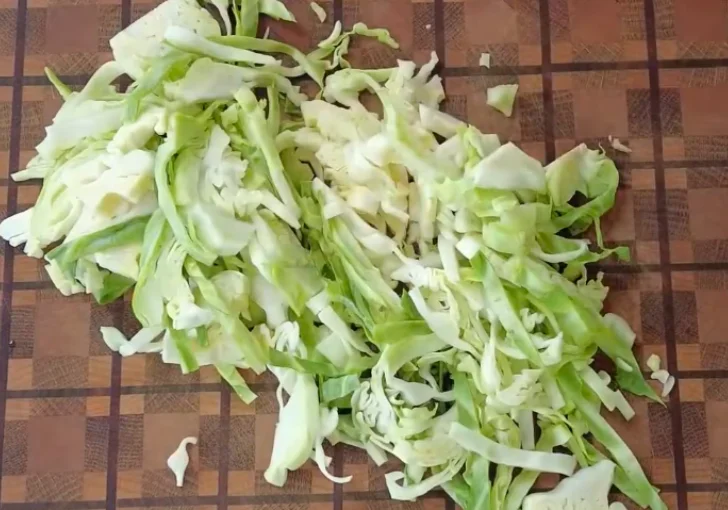
Step 01 – Prepare the Cabbage
Finely shred the spring cabbage and place it to one side. Chop the spring onions very finely and keep them with the cabbage for later cooking.
Step 02 – Prepare the Potatoes
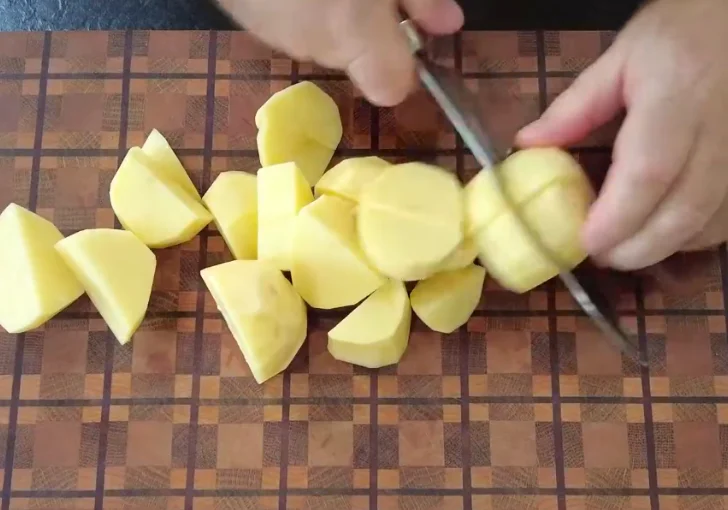
Peel the potatoes and cut them into evenly sized chunks so they cook at the same rate. Using floury potatoes gives the colcannon a soft and fluffy texture.
Step 03 – Steam the Potatoes
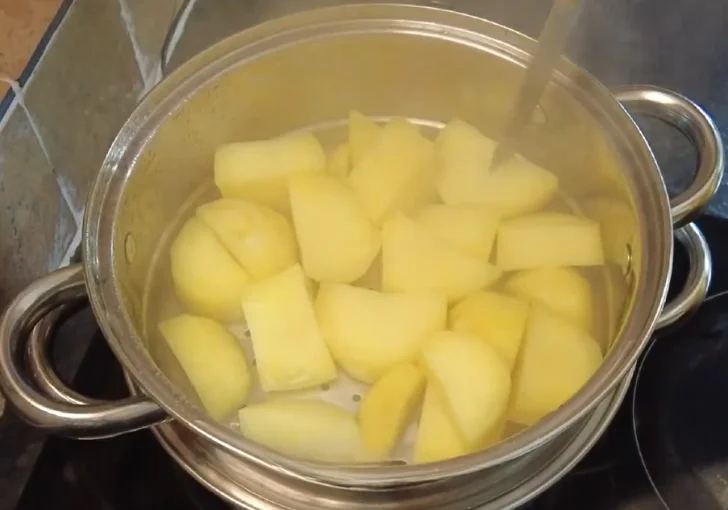
Place the potatoes into a steamer and cover with a lid. Steam for 10–15 minutes, or until fully tender. Check doneness with a knife; it should slide through easily without resistance. Once cooked, keep the potatoes warm while preparing the cabbage mixture.
Step 04 – Cook the Cabbage and Spring Onions
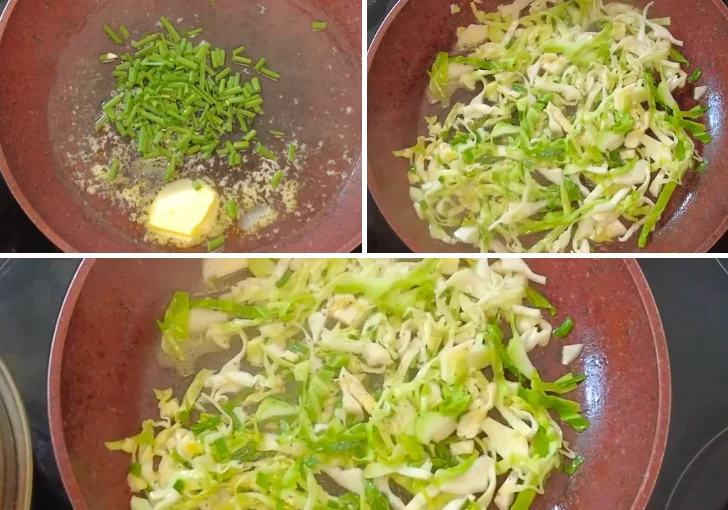
Place a frying pan over medium heat and add a knob of butter along with 1 tablespoon of water. Once the butter has melted and the pan is hot, add the shredded cabbage and chopped spring onions.
Cook for 2–3 minutes, stirring occasionally, until the cabbage is tender but still has a little texture. Season generously with salt and freshly ground black pepper.
Step 05 – Mash the Potatoes
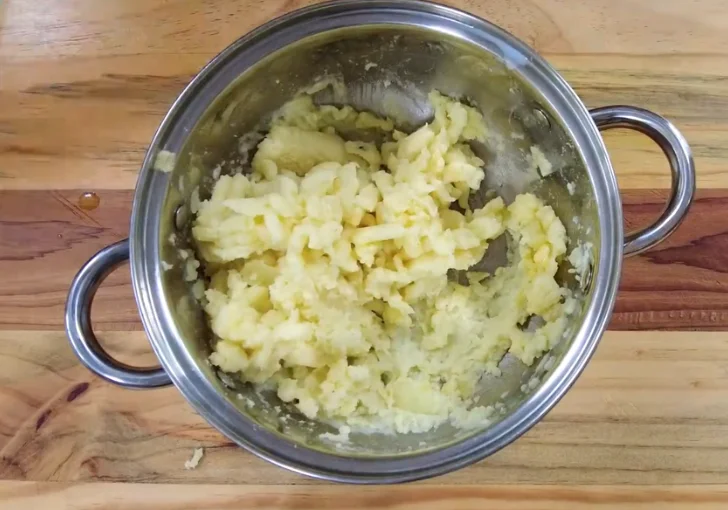
Transfer the warm cooked potatoes to a large pan or bowl. Add the 75g salted butter and pour in the warm milk. Season well with salt and freshly ground black pepper.
Mash the potatoes with a hand masher until smooth and fluffy. Avoid overmixing to keep the texture light.
Step 06 – Combine the Colcannon
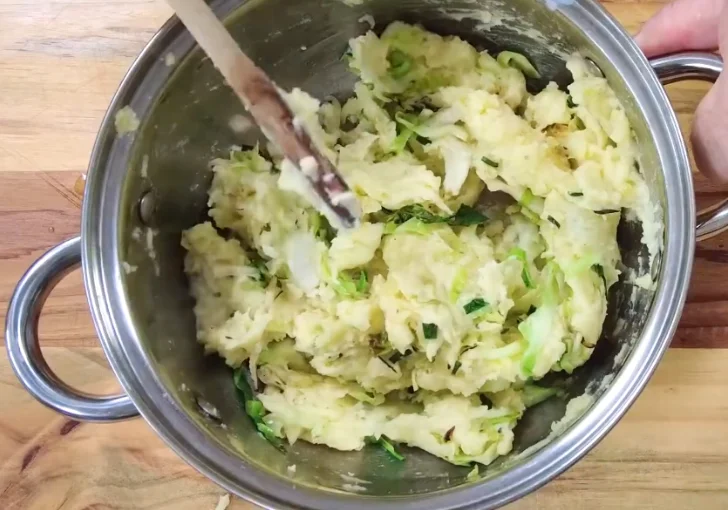
Add the cooked cabbage and spring onion mixture into the mashed potatoes. Stir thoroughly with a wooden spoon until everything is evenly combined.
The mixture should be creamy, buttery, and evenly distributed with cabbage throughout.
Step 07 – Serve
Serve the colcannon hot with an extra knob of butter melted over the top. This dish pairs well with roasted meats, sausages, or can be served on its own as a traditional Irish comfort dish.
Recipe Tips & Notes for Perfect Mary Berry Colcannon
- Always use floury potatoes for soft mash
- Warm the milk before adding it to potatoes
- Do not boil the cabbage too long or it loses texture
- Mash potatoes while still hot for best results
- Add butter slowly so it melts evenly through the mash
- Taste before serving because potatoes often need extra salt
- Stir gently once cabbage is added to keep the mash fluffy
- Serve straight away while still hot and creamy
Pairing Ideas with This Mary Berry Colcannon
This Mary Berry Colcannon goes brilliantly with simple British dinners. I often serve it with pork sausages and onion gravy because the creamy mash soaks everything up nicely.
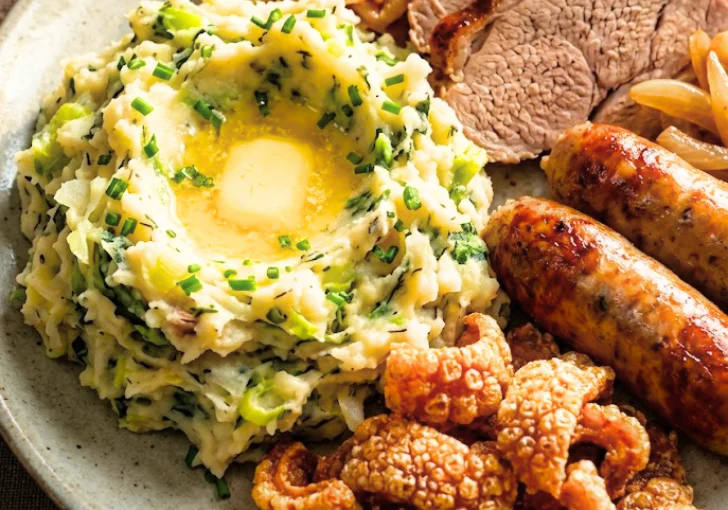
Roast chicken also works really well, especially during colder months. Thick ham slices, lamb chops, or even baked beans can sit beside it comfortably.
If keeping things lighter, grilled mushrooms and peas make a good match too.
The buttery potato and cabbage mix has a soft flavour, so it pairs nicely with stronger savoury foods without feeling too rich.
A little extra butter melting over the top never hurts either.
Mistakes To Avoid
- Using waxy potatoes can make the mash heavy and sticky
- Cold milk cools the potatoes too quickly and affects texture
- Overmixing the mash turns it gluey instead of fluffy
- Cooking cabbage too long makes it soggy and dull
- Forgetting seasoning leaves the dish bland
- Large potato chunks cook unevenly and stay hard inside
How To Store Leftover & Reheat
Leftover Storage
Let the colcannon cool fully before storing. Place leftovers into an airtight container and keep in the fridge for up to 3 days. The mash thickens slightly once chilled, but the flavour still stays lovely. Do not leave it sitting out too long because dairy and potatoes spoil quickly.
You can also freeze it for around 1 month. Store in freezer-safe tubs and thaw overnight in the fridge before reheating.
Reheating
For the hob, place the colcannon into a saucepan over low heat. Add a splash of milk and stir gently until hot.
For the microwave, heat in short bursts while stirring between each one. Add butter or milk if the mash feels dry. Avoid overheating because the potatoes can lose their soft texture.
Mary Berry Colcannon Recipe FAQs
Can I make Mary Berry Colcannon ahead of time?
Yes, you can make it earlier in the day and reheat before serving. Keep it covered in the fridge once cooled. Add a little milk or butter while reheating so the mash stays creamy and soft instead of thick or dry.
What potatoes work best for colcannon?
Floury potatoes work best because they mash easily and give a fluffy texture. Rooster potatoes are a great choice in the UK. Maris Piper potatoes also work really well for creamy mash with good flavour.
Can I freeze colcannon?
Yes, colcannon freezes quite well. Let it cool first, then store in airtight freezer containers. Freeze for up to one month. Defrost overnight in the fridge before warming it again gently with extra milk or butter.
Is colcannon meant to be smooth or chunky?
Most people prefer it smooth and fluffy, though a few small lumps are perfectly fine. Traditional Irish versions can sometimes be slightly chunkier. I like keeping a little texture because it feels more homemade and hearty.
Can I use kale instead of cabbage?
Absolutely. Kale is often used in older Irish recipes. It gives a stronger earthy flavour compared to spring cabbage. Chop it finely and cook until tender before mixing into the mashed potatoes.
Why did my mash turn sticky?
Sticky mash usually happens when potatoes are overworked or blended too much. Mash gently by hand instead of using food processors or electric mixers. Floury potatoes also help stop the mash becoming gluey.
What meat goes best with colcannon?
Sausages, roast chicken, bacon, and ham all pair beautifully with colcannon. The creamy buttery potatoes balance salty or savoury meats really nicely without overpowering them.
Can I make this recipe vegetarian?
Yes, this recipe already suits vegetarians if the butter used is vegetarian-friendly. It still tastes rich and comforting without needing meat added into the dish itself.
How long does colcannon last in the fridge?
It usually keeps well for around three days in a sealed container. Reheat fully before serving. If it smells sour or looks watery, it is best not to eat it.
Is Mary Berry Colcannon good for winter meals?
Very much so. The buttery mash and warm cabbage make it perfect for colder evenings. It feels filling, cosy, and comforting without needing lots of expensive ingredients or difficult cooking steps.
Mary Berry Colcannon Recipe
This Mary Berry Colcannon Recipe turns simple potatoes and cabbage into a creamy, buttery side dish that feels warm and comforting from the first bite. I love how easy it is to make with everyday ingredients and barely any fuss. The soft mashed potatoes, spring onions, and cabbage come together in under 40 minutes, making it perfect for weeknight dinners or cozy Sunday meals. Inspired by the classic Irish colcannon recipe, this version stays rich, fluffy, and full of flavor without feeling heavy. Serve it with sausages, roast chicken, or thick onion gravy for a proper comforting plate.
Ingredients
- 225g spring cabbage, finely shredded
- 2 spring onions, finely chopped
- 1.5kg floury potatoes, such as Rooster potatoes
- 75g salted butter, plus extra for serving
- 120ml warm milk
- 1 tablespoon water
- Salt, to taste
- Freshly ground black pepper, to taste
Instructions
- Prepare the Cabbage – Finely shred the spring cabbage and place it to one side. Chop the spring onions very finely and keep them with the cabbage for later cooking.
- Prepare the Potatoes – Peel the potatoes and cut them into evenly sized chunks so they cook at the same rate. Using floury potatoes gives the colcannon a soft and fluffy texture.
- Steam the Potatoes – Place the potatoes into a steamer and cover with a lid. Steam for 10–15 minutes, or until fully tender. Check doneness with a knife; it should slide through easily without resistance. Once cooked, keep the potatoes warm while preparing the cabbage mixture.
- Cook the Cabbage and Spring Onions – Place a frying pan over medium heat and add a knob of butter along with 1 tablespoon of water. Once the butter has melted and the pan is hot, add the shredded cabbage and chopped spring onions. Cook for 2–3 minutes, stirring occasionally, until the cabbage is tender but still has a little texture. Season generously with salt and freshly ground black pepper.
- Mash the Potatoes – Transfer the warm cooked potatoes to a large pan or bowl. Add the 75g salted butter and pour in the warm milk. Season well with salt and freshly ground black pepper. Mash the potatoes with a hand masher until smooth and fluffy. Avoid overmixing to keep the texture light.
- Combine the Colcannon – Add the cooked cabbage and spring onion mixture into the mashed potatoes. Stir thoroughly with a wooden spoon until everything is evenly combined. The mixture should be creamy, buttery, and evenly distributed with cabbage throughout.
- Serve – Serve the colcannon hot with an extra knob of butter melted over the top. This dish pairs well with roasted meats, sausages, or can be served on its own as a traditional Irish comfort dish.
Nutrition Information:
Serving Size:
1 generous portionAmount Per Serving: Calories: 295Sodium: 210mgCarbohydrates: 38g
This Mary Berry Colcannon Recipe proves that simple food can still feel special. Soft mashed potatoes, buttery cabbage, and spring onions come together in such a comforting way.
I’ve cooked this more than once during colder evenings, and it always disappears quickly from the table.
It works with roast dinners, sausages, or just a spoon and a quiet night in front of the telly. If you try this recipe, I hope it becomes one you make again and again.