Mary Berry Thai Chicken Curry Recipe (Simple 45-Minute Dinner for a Crowd)
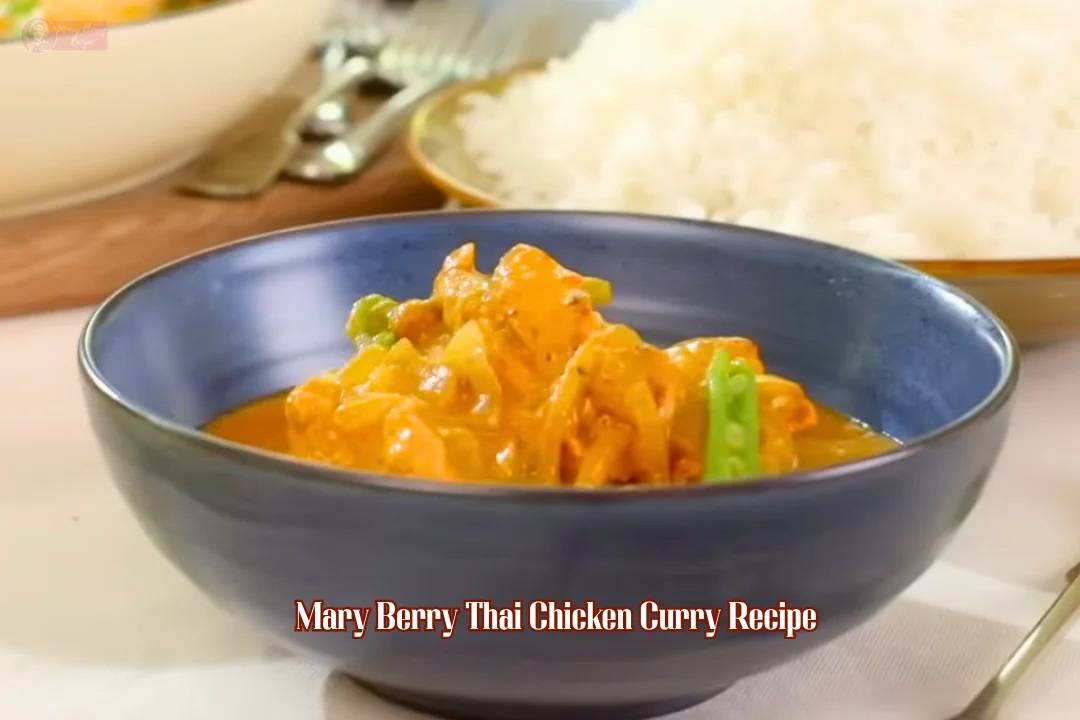
Some of the best meals don’t begin with a grand plan—they start with a full house, a bit of chaos, and something warm bubbling away in the kitchen. That’s exactly where this Mary Berry Thai Chicken Curry Recipe fits in.
It’s not one of those heavy, slow-simmered curries that demand hours of attention. Instead, it’s quick, fragrant, and surprisingly effortless, yet it delivers that rich, layered flavour you’d expect from your favourite takeaway.
Compared to classic British curries or even creamy kormas, this Thai chicken curry of Mary Berry version feels lighter but more vibrant—thanks to coconut milk, fresh ginger, and that unmistakable lift of lime and lemongrass.
The sauce turns silky and full-bodied, clinging perfectly to tender chicken with just enough crunch from the vegetables to keep things interesting.
Serve this Mary Berry Thai chicken curry recipe straight into bowls and let everyone dig in casually. You’ll end up with a crowd-pleasing dish that feels relaxed, generous, and just a little bit special.

Why This Mary Berry Thai Chicken Curry is a Must Try
Absolutely foolproof – Even if you’ve never made curry before, this one guides you through each step without any complicated techniques or tricky timing.
Ready in under 40 minutes – Perfect for those evenings when you want something proper tasty but don’t have hours to stand at the stove.
Uses everyday ingredients – Everything you need is available at your local supermarket, no specialist trips required.
Feeds a crowd beautifully – Makes enough for 6-8 people, so it’s brilliant when you’ve got extra mouths to feed.
Keeps and reheats wonderfully – Tastes even better the next day, making it ideal for meal prep or planned leftovers.
Rich but not heavy – The coconut milk creates this lovely creamy sauce that feels indulgent without sitting too heavy in your stomach.
Mary Berry Thai Chicken Curry is Perfect For
- Sunday supper – When you want something nicer than beans on toast but still easy.
- Midweek treat – It feels special, yet you can cook it after work.
- Casual get-togethers – Serve in bowls. No need for fancy plating.
- Batch cooking – Make once. Eat twice. It reheats well.
- Trying Thai flavours at home – Good start if you have not cooked Thai food before.
- Cool evenings – Creamy curry on a chilly night just hits the spot.
Mary Berry Thai Chicken Curry Ingredients
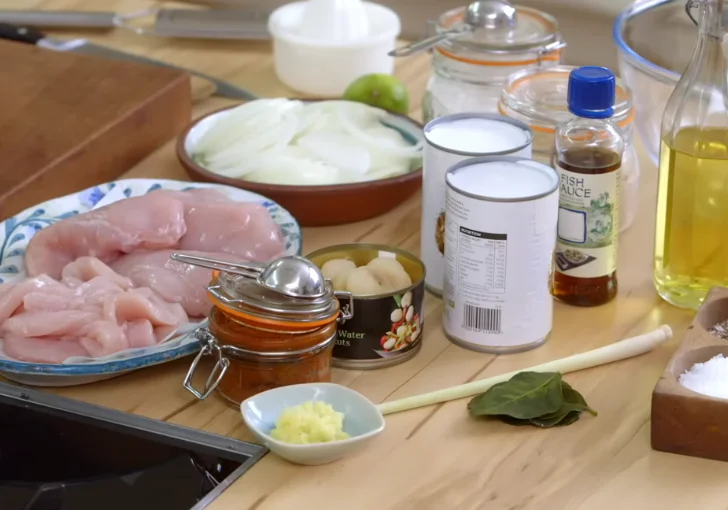
6 boneless, skinless chicken breasts, sliced – Lean and easy to cook, chicken breast keeps the curry light but filling. I ask the butcher to slice them thick, or use Tesco or Sainsbury’s packs and slice at home for even pieces.
3 tablespoons Thai red curry paste (1 tbsp for chicken, 2 tbsp for sauce) – This brings the main flavour and gentle heat. I often use Blue Dragon or Thai Taste. One spoon coats the chicken, the rest builds the sauce.
2 large onions, sliced – Simple brown onions add sweetness and body. Once softened slowly, they almost melt into the sauce and give it that homely base we all know.
1 tablespoon fresh ginger, finely grated – Fresh ginger gives a clean, warm kick. I grate it straight from the root rather than using paste from a jar for a brighter taste.
1 tablespoon plain flour – Just regular plain flour from the cupboard. It helps thicken the sauce, making it smooth and slightly velvety without needing cream.
1 tin (400ml) full-fat coconut milk – Full-fat gives the best creamy texture. I use Blue Dragon or own-brand versions. It balances the spice and makes the curry rich but not heavy.
4–6 kaffir lime leaves – These add a light citrus scent that makes the curry taste more Thai. Found in larger supermarkets or the world food aisle, and worth keeping in the freezer.
Zest and juice of ½ lime – Fresh lime lifts the whole dish. The zest adds fragrance, while the juice cuts through the coconut milk and keeps everything tasting fresh.
1 tablespoon brown sugar – Soft brown sugar adds gentle sweetness. It rounds off the spice and sharp lime, giving that balanced sweet-savoury flavour Thai food is known for.
1 tablespoon fish sauce – Sounds strong, but it adds deep savoury flavour. Thai Taste fish sauce is easy to find. You don’t taste fish, just a richer, fuller curry.
1 stalk lemongrass, lightly bashed – Bashing it with a wooden rolling pin releases its lemony oils. It adds fresh flavour without sharpness. Remove before serving as it stays quite firm.
150g sugar snap peas – These go in at the end for colour and crunch. They stay bright green and give a fresh bite against the creamy sauce.
1 tin (about 225g drained) water chestnuts – Drained and sliced if large, they bring a lovely crisp texture. I usually grab a tin from the Asian aisle in Asda or Morrisons.
1 tablespoon oil (for cooking) – A simple vegetable or sunflower oil works well. It helps seal the chicken at the start and carries the curry flavours through the dish.
Ingredients Substitutions & Variations
- Chicken thighs instead of breasts – Slightly richer and harder to overcook.
- Green curry paste – For a different flavour, a bit fresher and sharper.
- No kaffir lime leaves? – Add extra lime zest for a close match.
- Light coconut milk – Works fine, though the sauce will be thinner.
- Add baby corn or peppers – Good swap for sugar snap peas.
- Vegetarian version – Replace chicken with firm tofu and use soy sauce instead of fish sauce.
- Extra heat – Add fresh red chilli slices if you like more spice.
How To Make Mary Berry Thai Chicken Curry
Step 1 – Coat and seal the chicken
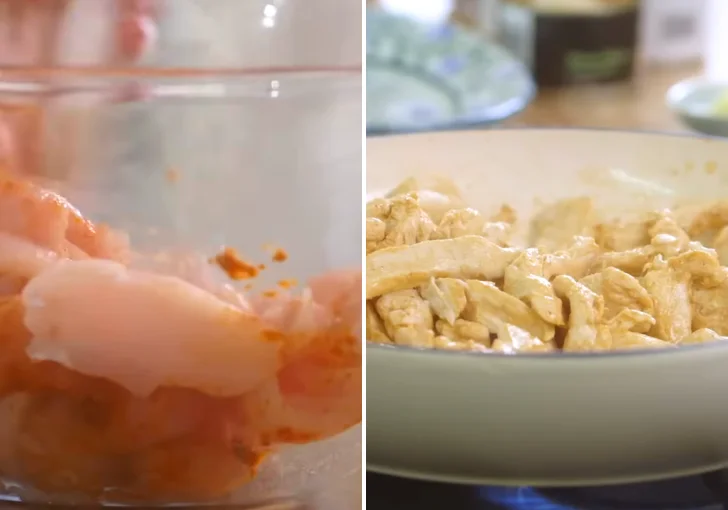
Place the sliced chicken breasts into a bowl and add 1 tablespoon of the red curry paste. Turn the chicken thoroughly so every piece is evenly coated. Heat the oil in a large frying pan or wok over medium heat, then add the chicken and cook, turning frequently, until the pieces are sealed on all sides and lightly coloured. Remove from the pan and set aside.
Step 2 – Soften the onions
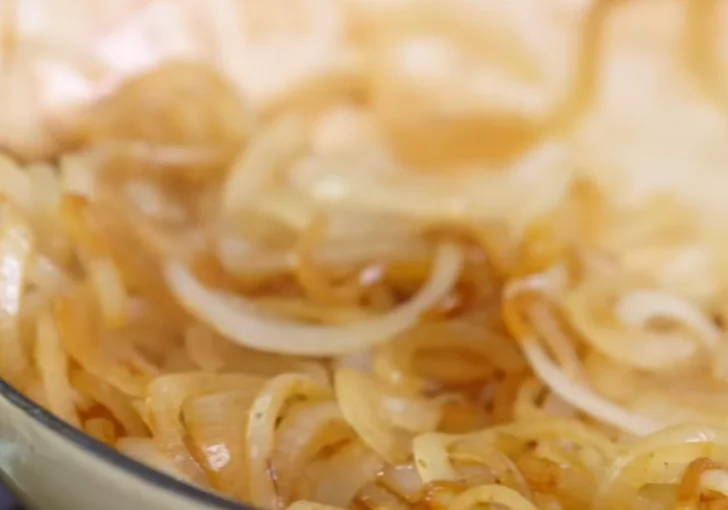
In the same pan, add the sliced onions. Cover with a lid, reduce the heat, and allow them to cook gently in their own steam for about 10 minutes until very soft and tender.
Step 3 – Build the curry base
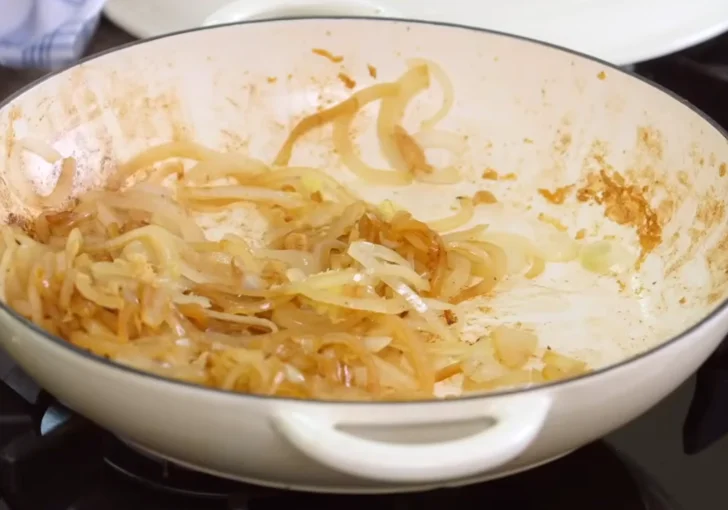
Remove the lid and increase the heat slightly. Add the grated fresh ginger and stir, allowing the aroma to release. Stir in the remaining 2 tablespoons of red curry paste. If a milder curry is preferred, reduce the quantity slightly.
Step 4 – Create the sauce
Sprinkle the plain flour evenly over the onion mixture and stir well to combine. Pour in the coconut milk gradually, stirring continuously to form a smooth, thick, velvety sauce.
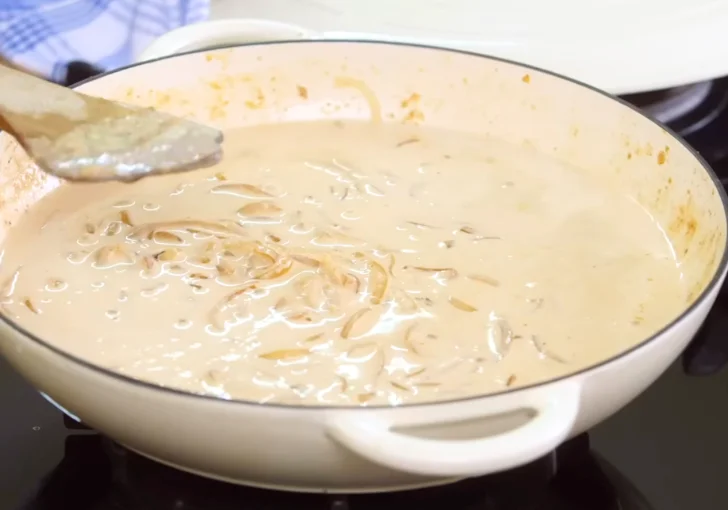
Step 5 – Add Thai flavours
Stir in the kaffir lime leaves, lime zest and juice, brown sugar, and fish sauce. Mix well so the flavours are evenly distributed. Add the lemongrass, lightly crushed with a rolling pin to release its oils.
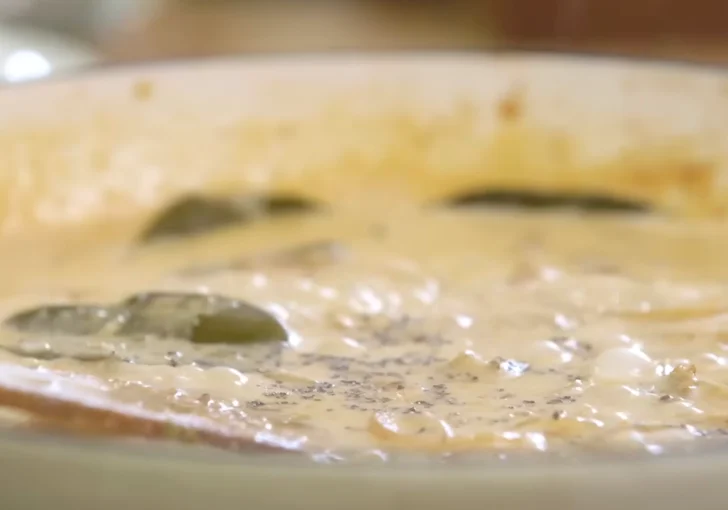
Step 6 – Return the chicken
Add the sealed chicken back into the pan, stirring gently to coat it in the sauce. Simmer for about 5 minutes, ensuring the chicken is cooked through but not overdone.
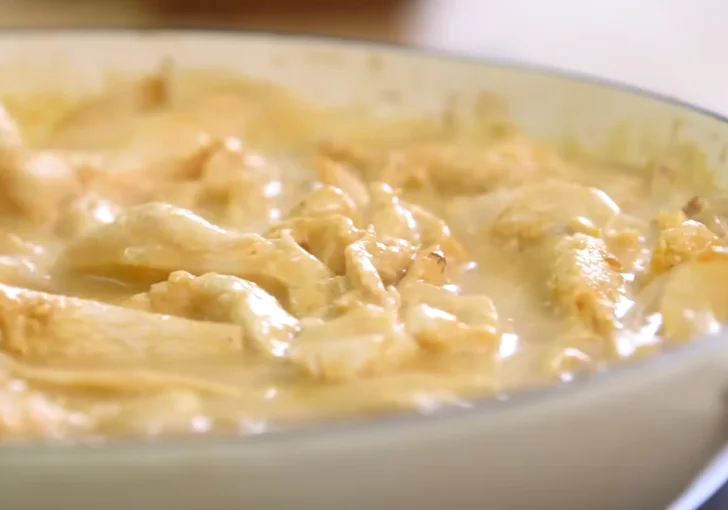
Step 7 – Finish with vegetables
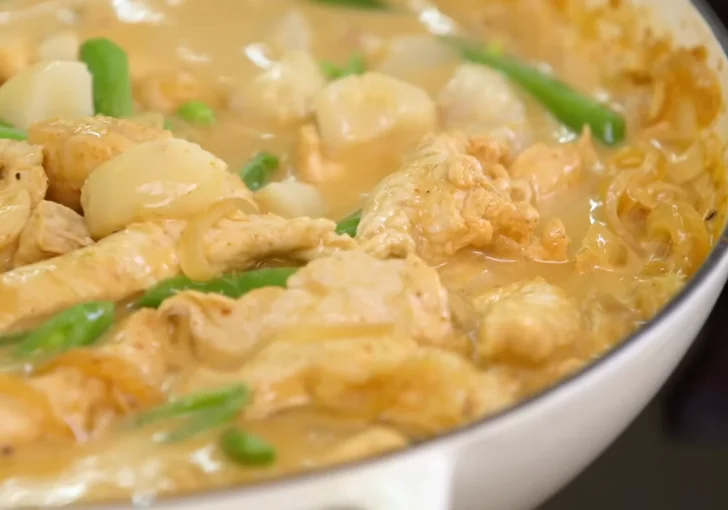
Add the sugar snap peas and drained water chestnuts. Cook for a further few minutes until the vegetables are just tender but still retain a slight crunch.
Serve hot in bowls. This curry works particularly well for gatherings, as it can be eaten easily with just a fork and bowl, making it ideal for casual entertaining.
Recipe Tips & Notes for Best Mary Berry Thai Chicken Curry
- Do not overcook the chicken – Once it goes back into the sauce, five minutes is usually enough. I cut into the thickest piece to check. Overcooked breast turns firm and dry very quickly.
- Stir the coconut milk slowly – Add it bit by bit and keep stirring so the flour blends in smoothly. If you rush this stage, small lumps can form and spoil that silky finish.
- Taste and adjust at the end – Before serving, try a spoonful. Sometimes I add a squeeze more lime for freshness or a tiny splash of fish sauce to deepen the flavour.
- Bash the lemongrass properly – Use a wooden rolling pin and press firmly to split the fibres. This helps release the oils, otherwise the flavour stays locked inside.
- Remove whole bits before serving – Lime leaves and lemongrass can be tough. I fish them out just before taking it to the table so no one gets a chewy surprise.
- Let it rest for ten minutes – Turn off the heat and leave the lid on. The sauce thickens slightly and the flavours come together much better, I always notice the difference.
What to Serve with Mary Berry Thai Chicken Curry
Steamed Jasmine Rice – Light, fluffy jasmine rice soaks up the creamy curry sauce beautifully. It has a gentle scent that pairs well with the lime and coconut. Serve it hot and freshly cooked so every spoonful feels soft and comforting.
Plain Basmati Rice – If you want something simple and familiar, basmati rice works perfectly. The long grains stay separate and fluffy. It’s a safe choice when serving guests who enjoy milder sides with bold mains.
Egg Fried Rice – For a heartier plate, spoon the curry over egg fried rice. The soft egg and savory rice turn it into a takeaway-style meal. It feels filling and great for relaxed evenings in.
Rice Noodles – Wide rice noodles give a slightly different texture. They catch the sauce well and make the dish feel closer to a Thai street food bowl you’d happily dig into.
Warm Naan Bread – Not traditional, but very good. Tear and dip into the sauce. It’s handy when you want every bit of that creamy curry cleaned from the bowl.
Simple Cucumber Salad – Crisp cucumber with a splash of vinegar adds a cool bite. You’ll appreciate that fresh crunch next to the rich, warm curry.
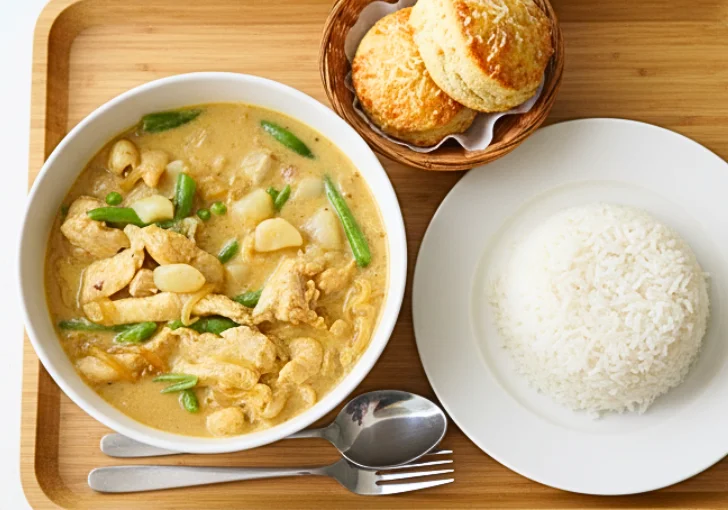
Cheese Scones – Sounds unusual, but a warm cheese scone on the side works surprisingly well. The savory, crumbly texture balances the creamy sauce and makes the meal feel a bit different from the usual rice pairing.
Mistakes To Avoid While Making Mary Berry Thai Chicken Curry
- Overcooking the chicken – It becomes dry; simmer gently and check early.
- Skipping the flour – The sauce may end up thin instead of creamy.
- Too much curry paste at once – It can overpower the balance; add slowly.
- Not softening onions enough – Hard onions spoil the smooth texture.
- Forgetting to taste – Always adjust lime, sugar or fish sauce at the end.
- Boiling hard after adding coconut milk – Keep it at a gentle simmer to stop splitting.
Store Leftover & Reheat
Leftover
Let the curry cool fully before storing. Spoon it into an airtight container. Keep in the fridge for up to 3 days. The flavour often gets stronger overnight, which I quite like. If freezing, store without rice and use within 2 months.
Reheat
Reheat gently in a saucepan over low to medium heat. Stir now and then so it does not catch at the bottom. Add a splash of water if the sauce feels too thick. Make sure the chicken is piping hot before serving.
Mary Berry Thai Chicken Curry Recipe FAQs
Can I make Mary Berry Thai Chicken Curry ahead of time?
Yes, and I often do. Cook it fully, then let it cool and store in the fridge. The flavour deepens after a few hours, which makes it even better. Reheat gently on the hob and add a splash of water if the sauce thickens too much.
Is this curry very spicy?
It has a gentle warmth rather than strong heat. The coconut milk softens the spice from the red curry paste. If you prefer it milder, reduce the amount of paste slightly. If you like heat, add fresh chilli.
Can I use chicken thighs instead of breasts?
Yes, chicken thighs work very well. They stay juicy and are less likely to dry out. Trim excess fat and slice into even pieces so they cook evenly in the sauce.
What can I use instead of fish sauce?
If you do not have fish sauce, light soy sauce can work. The taste will be slightly different but still good. Fish sauce adds depth, so if possible, use at least a small amount.
Do I need kaffir lime leaves?
They add a lovely citrus scent, but if you cannot find them, use extra lime zest. The curry will still taste fresh and balanced without the leaves.
Can I freeze Mary Berry Thai Chicken Curry?
Yes, it freezes well. Let it cool first. Store in a sealed container. Freeze for up to two months. Defrost in the fridge overnight before reheating gently.
Why is my sauce too thin?
It may need more simmering time or you may have skipped the flour. Let it bubble gently for a few extra minutes. Stir often so it thickens evenly.
Can I add more vegetables?
Of course. Baby corn, peppers or even spinach can go in. Add softer veg towards the end so they do not overcook and lose colour.
What rice is best with this curry?
Jasmine rice is my first choice because of its light scent and soft texture. Basmati rice also works well. Cook the rice fresh so it stays fluffy and not sticky.
How do I know the chicken is cooked properly?
The pieces should be white all the way through with no pink in the centre. Cut into a thicker piece to check. The juices should run clear, and the chicken should feel firm but still tender.

Mary Berry Thai Chicken Curry Recipe
This Mary Berry Thai Chicken Curry Recipe is hands down my go-to when I need something that tastes fancy but comes together in under 40 minutes. The creamy coconut sauce mixed with ginger, lemongrass, and kaffir lime leaves creates this perfectly balanced curry that's slightly sweet, gently spiced, and absolutely addictive. I've made it countless times for everything from weeknight dinners to feeding a crowd, and it never disappoints. You can serve it over jasmine rice, noodles, or even with warm naan bread to soak up every bit of that gorgeous sauce.
Ingredients
- 6 boneless, skinless chicken breasts, sliced
- 3 tablespoons Thai red curry paste (1 tbsp for chicken, 2 tbsp for sauce)
- 2 large onions, sliced
- 1 tablespoon fresh ginger, finely grated
- 1 tablespoon plain flour
- 1 tin (400ml) full-fat coconut milk
- 4–6 kaffir lime leaves
- Zest and juice of ½ lime
- 1 tablespoon brown sugar
- 1 tablespoon fish sauce
- 1 stalk lemongrass, lightly bashed
- 150g sugar snap peas
- 1 tin (about 225g drained) water chestnuts
- 1 tablespoon oil (for cooking)
Instructions
- Coat and seal the chicken: Place the sliced chicken breasts into a bowl and add 1 tablespoon of the red curry paste, turning thoroughly so every piece is evenly coated. Heat the oil in a large frying pan or wok over medium heat, then add the chicken and cook, turning frequently, until the pieces are sealed on all sides and lightly coloured. Remove from the pan and set aside.
- Soften the onions: In the same pan, add the sliced onions, cover with a lid, reduce the heat, and allow them to cook gently in their own steam for about 10 minutes until very soft and tender.
- Build the curry base: Remove the lid and increase the heat slightly, then add the grated fresh ginger and stir to release its aroma. Stir in the remaining 2 tablespoons of red curry paste, adjusting slightly if a milder flavour is preferred.
- Create the sauce: Sprinkle the plain flour evenly over the onion mixture and stir well to combine, then pour in the coconut milk gradually, stirring continuously to form a smooth, thick, velvety sauce.
- Add Thai flavours: Stir in the kaffir lime leaves, lime zest and juice, brown sugar, and fish sauce, mixing well so everything is evenly distributed. Add the lemongrass, lightly crushed with a rolling pin to release its flavour.
- Return the chicken: Add the sealed chicken back into the pan, stirring gently to coat it in the sauce, and simmer for about 5 minutes until the chicken is cooked through but not overdone.
- Finish with vegetables: Add the sugar snap peas and drained water chestnuts, cooking for a further few minutes until the vegetables are just tender while still retaining a slight crunch.
Nutrition Information:
Serving Size:
About 1 generous bowl (with sauce and vegetables, without rice)Amount Per Serving: Calories: 420Protein: 38g
I always enjoy making Mary Berry Thai Chicken Curry Recipe at home. It brings warmth, colour and a bit of something different to the table. The creamy coconut sauce, soft chicken and fresh lime work so well together.
It feels special but never fussy. I hope you give this Mary Berry Thai Chicken Curry a try in your own kitchen. When you do, let me know how it turns out for you.