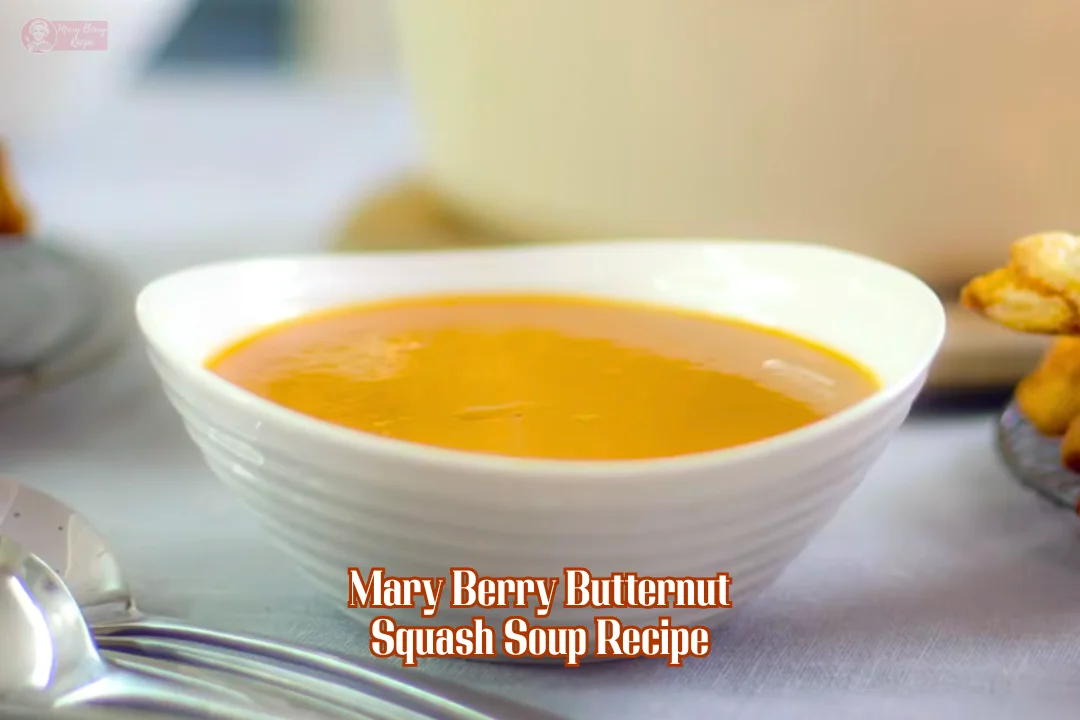
Mary Berry Butternut Squash Soup Recipe (dairy free but delicious)
Mary Berry’s soup recipes have always been a favourite in my kitchen. They are simple, cosy soups that never seem to last very long.
But this time, my family asked me to make something with butternut squash.
So, I thought it was time to try another Mary Berry favourite, and today I’m sharing my Mary Berry Butternut Squash Soup Recipe.
This Mary Berry dairy free butternut squash soup has a lovely sweet taste from the roasted butternut squash, carrots and red pepper.
Fresh ginger gives it a gentle warmth, while a little runny honey brings everything together.
I really like roasting the vegetables first because it gives the soup a deeper flavour than simply boiling them.
It is also dairy free, smooth and easy to make at home. You can serve it with crusty bread for a simple lunch, or make the crispy cheese and ham twists from this recipe for something a bit more special.
If you enjoyed my other Mary Berry soups like her tomato soup and leek and potato soup, I think this one is well worth adding to your list.

Why You Should Try This Dairy Free Butternut Squash Soup
If you enjoy homemade soup but don’t want something too heavy, this Mary Berry dairy free butternut squash soup is a lovely one to try.
Unlike many creamy soups that rely on double cream or lots of butter, this one gets its smooth texture from the roasted vegetables themselves.
I especially like this butternut squash soup recipe because roasting the vegetables first gives the soup a deeper taste. You get:
- A naturally sweet flavour from butternut squash, carrots and a little honey.
- A gentle warmth from fresh ginger without making the soup spicy.
- A smooth, creamy texture without adding cream or milk.
- More flavour than a basic boiled vegetable soup, thanks to the roasting step.
- An easy dairy-free option for anyone avoiding milk and cream.
How To Choose Best Butternut Squash for This Soup
Choose a butternut squash that feels heavy for its size and has firm, smooth skin. I usually look for one with an even beige colour and no soft spots, deep cuts or signs of mould.
A squash with a long, thick neck is handy because it gives you plenty of flesh to peel and chop.
Smaller squash can be easier to handle, but a large one works well for this recipe and gives you enough to make a generous pot of soup.
Avoid squash that feels unusually light, as it may be dry inside. You can also use pre-cut fresh butternut squash from the supermarket if you are short on time.
Fresh whole squash is often better value, though, and it tends to stay fresh for longer when stored in a cool, dry place.
Perfect For
A cold, grey evening – Put the tin in the oven, then put your feet up. The smell does the rest.
A packed work lunch – Pour it into a flask and it’s still piping hot by one o’clock.
A dairy-free table – Use vegetable stock, and everyone gets the same creamy bowl.
Sunday batch cooking – One pot fills about six bowls, so your weekday lunches are sorted.
Fussy eaters – It’s smooth, sweet and lump-free, so there’s little to argue about.
A posh-ish starter – Serve small cups with a cheese and ham twist on the side.
Using up spare veg – Got a lonely carrot or half a pepper? Chuck it in the tin.
Mary Berry Butternut Squash Soup Ingredients
1 large butternut squash (about 1–1.2 kg) – This is the star of the soup. It roasts down sweet and soft, and gives the soup its thick, velvety body without any cream. Look for one that feels heavy, and buy it whole from Tesco, Sainsbury’s or Waitrose.
1 red pepper, roughly chopped – Red pepper adds a mild sweetness and a lovely orange-red colour. Roasting softens it and takes away any sharp bite. Pick a firm, shiny one with smooth skin. Peppers from Waitrose or your local greengrocer are a good bet.
1 large onion, roughly chopped – Onion gives the soup a savoury base. As it roasts, it turns soft and sweet rather than sharp. A standard brown onion works well. Buy it loose from the veg aisle, or grab a British-grown bag if you spot one.
2 medium carrots, roughly chopped – Carrots add natural sugar and a bright golden colour. They also thicken the soup a little once blended. Choose firm carrots, not bendy ones. Cheap loose or bagged carrots from Asda, Aldi or Lidl work perfectly here.
2 tablespoons olive oil – The oil coats the veg so it roasts and browns rather than dries out. Regular olive oil is fine, and you don’t need anything fancy. Filippo Berio and Napolina are easy to find in most supermarkets.
Salt, to taste – Salt brings out the sweetness in the squash and lifts every other flavour. Use flaky sea salt like Maldon, or Saxa table salt if that’s what’s in your cupboard. Add it a little at a time.
Freshly ground black pepper, to taste – Pepper gives a gentle heat that balances the honey. Grinding it fresh makes a big difference to the smell and taste. A grinder from Schwartz or a supermarket own brand does the job nicely.
2 tablespoons fresh ginger, finely chopped – Ginger adds a warm, zingy kick that cuts through the sweetness. Fresh root tastes much better than the jarred kind. Look for smooth, plump skin, and peel it with the edge of a teaspoon.
1 tablespoon runny honey – Honey lightly glazes the veg and rounds off the flavour. Clear, runny honey mixes in easily. A squeezy bottle of Rowse honey is easy to drizzle, and any local British honey works well too.
1.5 litres vegetable stock or chicken stock – Stock turns roasted veg into soup. Vegetable stock keeps it dairy free and veggie-friendly, while chicken stock gives a meatier taste. Kallo, Knorr stock pots and Marigold bouillon are easy to find. Check the label if you need to.
For the optional cheese and ham twists:
1 sheet ready-rolled puff pastry (320–375 g) – Puff pastry makes light, flaky twists that you can dunk in the soup. Ready-rolled saves loads of time. Jus-Rol is the one I reach for, and most supermarkets sell their own version too.
2 tablespoons Dijon mustard – A thin layer of Dijon gives the twists a sharp, tangy bite that goes so well with cheese and ham. Maille is a reliable brand, and supermarket own-brand jars work fine too.
75 g Gruyère cheese, finely grated – Gruyère melts well and has a nutty, salty flavour. Fine grating helps it spread evenly over the pastry. Find it in the cheese section at Tesco, Waitrose or M&S. A little extra goes on top for a golden finish.
3–4 slices Parma ham – Parma ham adds a salty, savoury note. You lay the slices flat over the cheese before folding. Most supermarkets sell it in packs near the deli counter, and the Tesco Finest and Waitrose ranges are both good.
Ingredient Notes & Smart Substitutions for This Butternut Squash Soup
Squash – A ready-peeled pack or frozen cubes will do if you’re short on time. Roast frozen cubes a few minutes longer, as they hold more water.
Red pepper – An orange or yellow pepper works just as well. Skip it if you don’t like peppers, and the soup still tastes great.
Olive oil – Rapeseed oil is a good British swap and costs less.
Fresh ginger – Use 1 teaspoon of ground ginger if you have none. Add it with the honey, but go easy, as it tastes stronger.
Honey – Maple syrup or agave nectar work for vegans, as honey isn’t vegan.
Stock – Use a vegetable stock cube for a vegan bowl. Chicken stock is fine if you eat meat. Low-salt stock gives you more control over the seasoning.
Gruyère – Mature Cheddar or Comté melts and tastes lovely on the twists.
Parma ham – Leave it out for a veggie version, or swap in a thin layer of sliced mushrooms fried in a little oil.
Puff pastry – Look for a dairy-free puff pastry if you need the twists to be dairy free. Many block-style versions are, but always check the pack.
How To Make Mary Berry Butternut Squash Soup at Home
Step 01 – Prepare the Butternut Squash
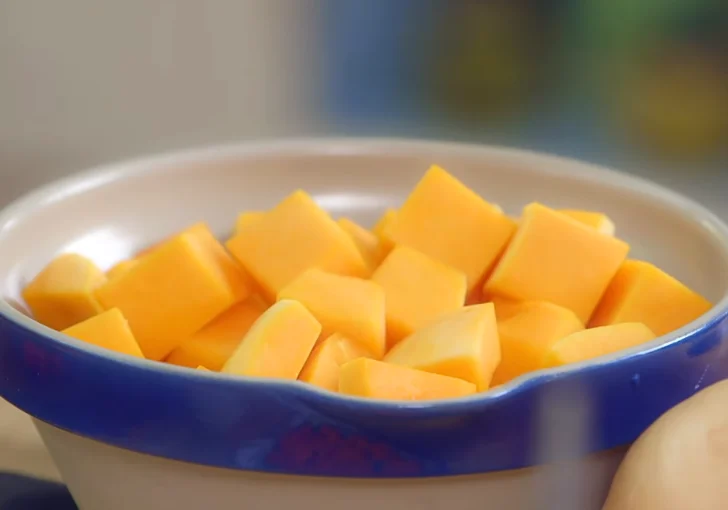
Wash the butternut squash thoroughly and place it on a stable chopping board. If the squash has thin, tender skin, use a sturdy vegetable peeler to remove the peel. For a squash with tougher skin, carefully cut it into thick rings using a large, sharp knife, then remove the seeds and peel each piece.
Cut the peeled squash into evenly sized cubes so that it roasts evenly and becomes tender at the same time as the other vegetables.
Step 02 – Chop the Remaining Vegetables
Peel and roughly chop the large onion and carrots into medium-sized pieces. Wash the red pepper, remove the stalk, seeds and white membrane, then chop it into similar-sized pieces.
Keeping the vegetables relatively uniform in size helps them roast evenly and makes blending the soup easier later.
Step 03 – Coat the Vegetables with Olive Oil
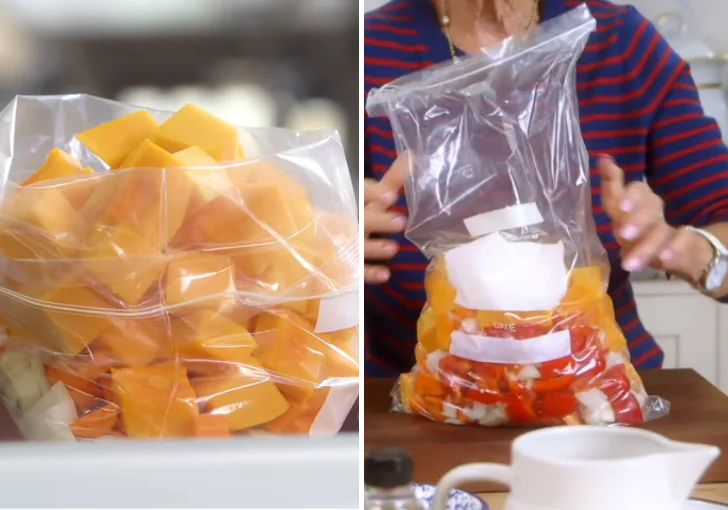
Place the cubed butternut squash, chopped red pepper, onion and carrots into a large food-safe plastic bag. Pour in the olive oil, seal the bag securely and shake it thoroughly until all the vegetables are lightly coated.
This method distributes the oil evenly over the vegetables and helps them roast without drying out.
Step 04 – Arrange and Season the Vegetables
Preheat the oven to 180°C fan. Transfer the oil-coated vegetables from the bag onto a large roasting tin, spreading them out in a single layer. Season generously with salt and freshly ground black pepper, adjusting the amount to your taste.
Avoid overcrowding the tin, as the vegetables need enough space to roast properly rather than steam.
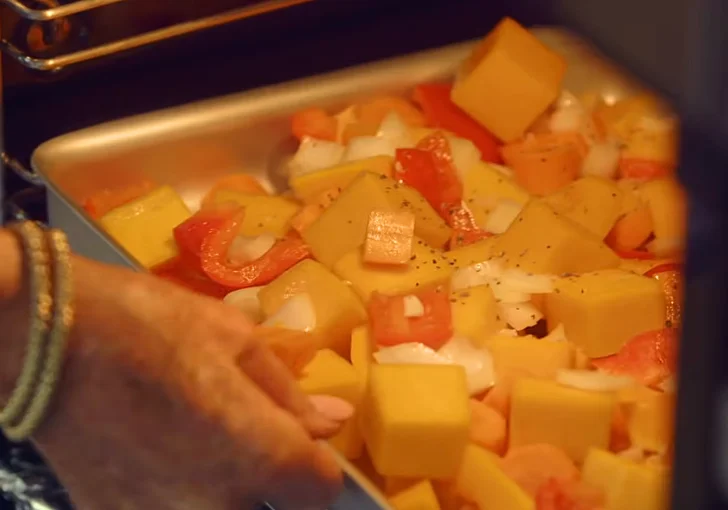
Step 05 – Roast the Vegetables
Place the roasting tin in the preheated oven and roast the vegetables for 45 minutes at 180°C fan. During this time, the butternut squash softens and the onions, carrots and red pepper develop a deeper, sweeter flavour. Roasting before simmering gives the soup a more concentrated taste and a naturally rich colour.

Step 06 – Add the Ginger and Honey
Remove the roasting tin from the oven after the initial 45 minutes. Sprinkle the finely chopped fresh ginger evenly over the roasted vegetables, then drizzle the runny honey across the top.
Gently turn the vegetables to distribute the ginger and honey, allowing the honey to lightly glaze the vegetables and the ginger to release its warm, aromatic flavour.

Step 07 – Roast Until Tender
Return the roasting tin to the oven and roast the vegetables for a further 5 minutes at 180°C fan. Check that the butternut squash and carrots are completely tender by inserting a sharp knife into a few pieces.
The knife should slide through easily, and the vegetables should have a lightly glazed appearance. Remove the tin from the oven once the vegetables are soft and fragrant.
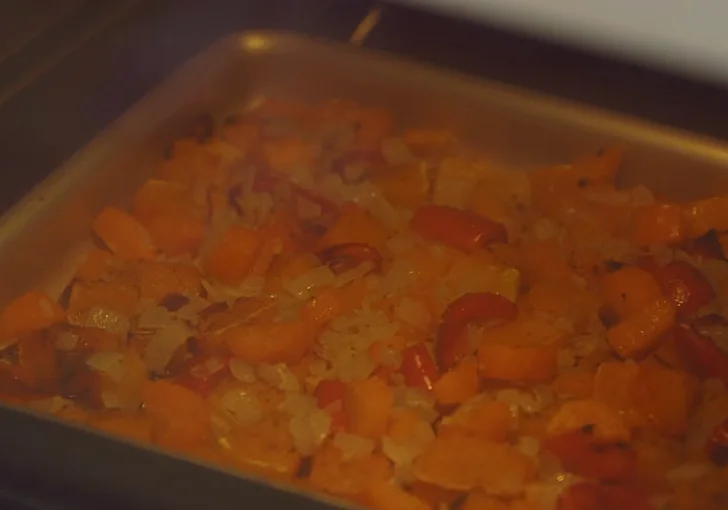
Step 08 – Transfer the Vegetables to a Pot
Carefully transfer all the roasted vegetables, including any ginger, honey and cooking juices from the roasting tin, into a large, heavy-based casserole pot or saucepan. Scrape the bottom of the roasting tin to collect any caramelised juices, as these add extra flavour to the finished soup.
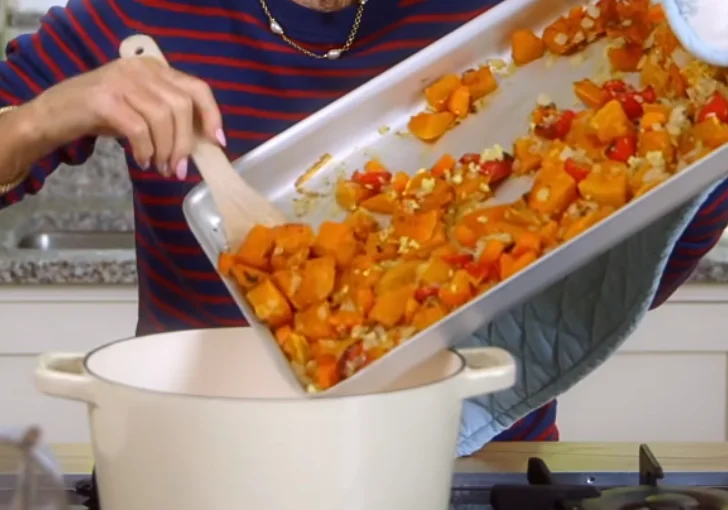
Step 09 – Add the Stock
Pour approximately 1.5 litres of vegetable stock or chicken stock into the pot with the roasted vegetables. Stir gently to combine the ingredients, making sure the vegetables are mostly submerged in the liquid. Vegetable stock keeps the soup completely dairy-free and suitable for a vegetarian diet, while chicken stock provides a slightly different savoury flavour.
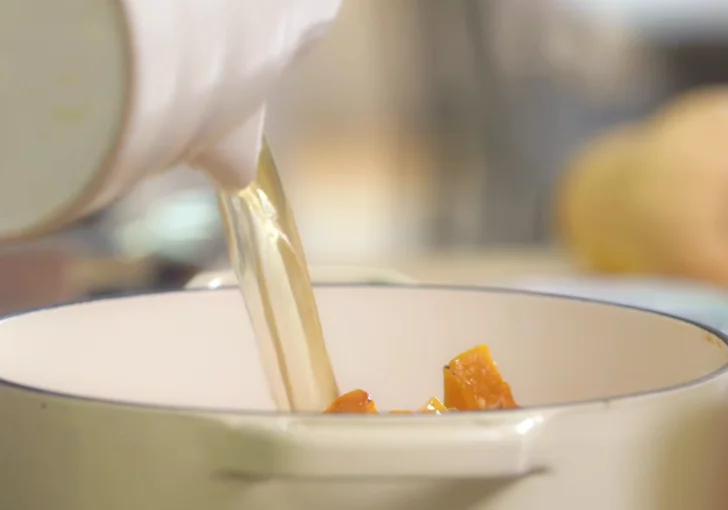
Step 10 – Simmer the Soup
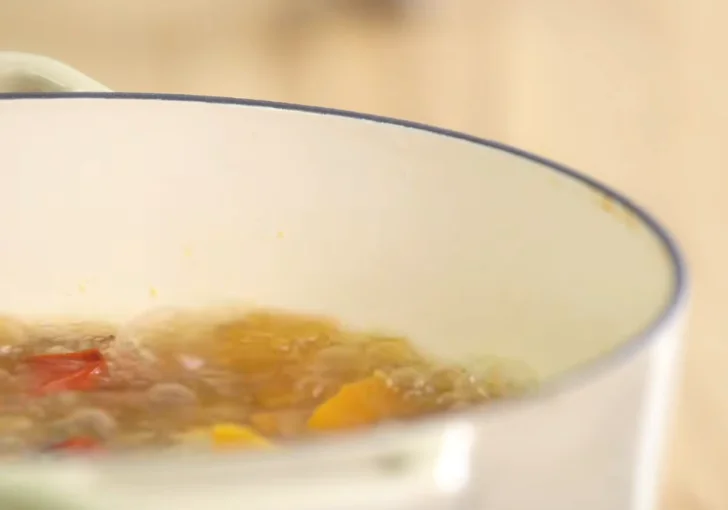
Place the pot over medium heat and bring the mixture to a gentle simmer. Allow it to bubble gently for approximately 10 minutes, stirring occasionally to prevent the vegetables from sticking to the bottom. This short simmering time allows the roasted vegetables, ginger, honey and stock to blend together into a balanced, aromatic soup.
Step 11 – Blend Until Smooth
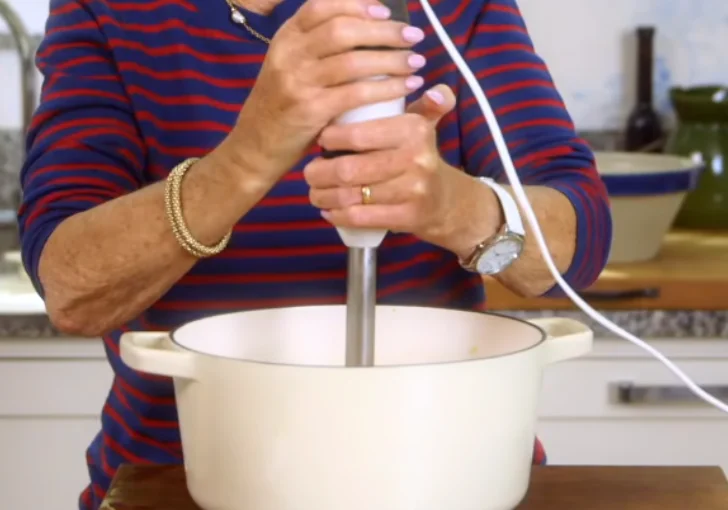
Once the vegetables are completely tender, remove the pot from the heat. Use a hand-held stick blender to blend the mixture until it becomes completely smooth and velvety. Move the blender carefully through the soup to break down any remaining pieces of squash, carrot or pepper.
If using a countertop blender, allow the soup to cool slightly and blend in small batches, taking care with the hot liquid.
Step 12 – Adjust the Consistency and Seasoning
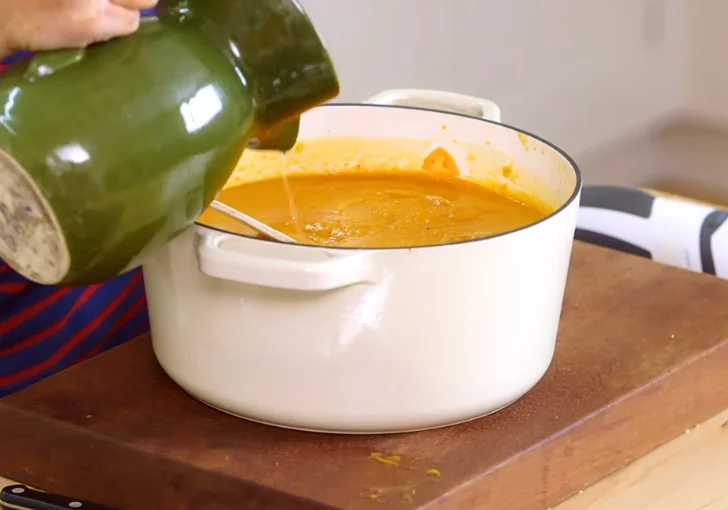
Check the consistency of the blended soup. If it is too thick, gradually add a little extra warm vegetable or chicken stock, stirring and blending after each addition until the soup reaches your preferred consistency. Taste the soup and adjust the salt and freshly ground black pepper if needed. The finished soup should be smooth, warming and naturally sweet, with a gentle hint of ginger.
Step 13 – Serve the Soup
Ladle the hot butternut squash soup into warmed serving bowls. Serve immediately while the soup is steaming hot. For a simple presentation, add a little freshly ground black pepper on top or a small drizzle of olive oil. The soup can be enjoyed on its own or accompanied by crispy cheese and ham twists for a more substantial, comforting lunch.
Tips & Notes for Creamy Mary Berry Butternut Squash Soup
- Cut the squash into cubes about 2 to 3 cm wide. Smaller bits can catch and burn.
- Line your roasting tin with baking paper. The honey turns sticky, and cleaning up is easier.
- Grate the ginger instead of chopping it if you like a stronger kick.
- Blend for a full minute or two. The longer you go, the silkier the soup.
- Add extra stock a splash at a time. You can always add more, but you can’t take it out.
- Taste before you salt at the end. Stock can already be quite salty.
- Warm your bowls in a low oven for a few minutes. The soup stays hotter for longer.
Mistakes to Avoid While Making First Time
Crowding the tin. Packed veg steams and turns soggy. Use two tins if you need to.
Cutting uneven pieces. Big and small chunks cook at different speeds. Keep them the same size.
Pulling the veg out too soon. Poke the squash with a knife. It should slide in easily.
Adding too much extra stock. Pour in a splash at a time after blending, and taste as you go.
Blending hot soup in a full jug. Let it cool a little and work in small batches.
Skipping the final taste. Season at the end, as this is when you know what it really needs.
Mary Berry Butternut Squash Soup Variations You Can Try
Spiced Curry Bowl: Stir 1 to 2 teaspoons of mild curry powder in with the ginger and honey. It gives the soup a warm, rounded spice that works well on a chilly night.
Coconut Cream Twist: Stir in half a tin of coconut milk after blending. You get an extra creamy soup that stays dairy free.
Smoky Paprika Kick: Add a teaspoon of smoked paprika before roasting, plus a pinch of chilli flakes if you like heat. It tastes a bit like a bonfire night bowl.
Bramley Apple Soup: Roast one peeled, chopped Bramley apple with the veg. Its tartness balances the sweet squash beautifully.
Crunchy Seed Topping: Toast a handful of pumpkin and sunflower seeds in a dry pan until golden. Scatter them over each bowl for a nutty crunch.
Other Mary Berry Butternut Squash Soup Cooking Options You Can Try
Stovetop
Heat the olive oil in a large saucepan and cook the onion and carrots for 5 minutes. Add the squash and pepper, then cook for another few minutes. Add the ginger, honey and stock. Simmer for 25–30 minutes, or until the vegetables are tender, then blend until smooth.
Slow cooker
Add the chopped vegetables, olive oil, ginger, honey and stock to your slow cooker. Stir well and cook on low for 6–7 hours or high for 3–4 hours, until the vegetables are soft. Blend carefully until smooth. You may need less stock, so start with around 1 litre and adjust after blending.
Pressure cooker
Add the chopped vegetables, ginger, honey and stock to the pressure cooker. Cook on high pressure for around 8 minutes, then allow the pressure to release according to the appliance instructions. Blend until smooth and adjust the seasoning. This method is useful when you want the soup ready in less time.
Air fryer
Toss the chopped squash, onion, carrots and pepper with olive oil. Cook in batches in the air fryer at around 180°C for 18–25 minutes, shaking the basket halfway through, until tender and browned. Add the ginger and honey for the final few minutes. Transfer to a saucepan, add the stock, simmer briefly and blend.
What to Serve With This Mary Berry Butternut Squash Soup
A bowl of this soup is lovely on its own, but a little something on the side makes it a more filling meal.
Crusty sourdough, warm baguette or homemade garlic bread are all good choices for dipping into the smooth soup.
If you fancy something crisp, serve it with cheese and ham twists made from ready-rolled puff pastry, Dijon mustard, Gruyère and Parma ham.
A simple green salad with cucumber and tomatoes can add a fresh taste alongside the warm vegetables.
For a lighter option, try wholemeal toast or oatcakes. You can also finish each bowl with toasted pumpkin seeds, a little black pepper or a drizzle of olive oil.

Storing Leftovers, Freezing & Reheating The Soup
Storing in the Fridge
Allow the soup to cool slightly, then transfer it into clean, airtight containers. Put it in the fridge within two hours of cooking and keep it at 5°C or below.
The soup will generally keep well for up to 3 days. Store it in individual portions if you want to make lunch or supper easier during the week.
Freezing the Soup
This butternut squash soup freezes well, making it useful for batch cooking. Let it cool, then pour it into freezer-safe containers, leaving a little room at the top for expansion.
Label each container with the date and freeze for up to 3 months for the best quality.
Defrost overnight in the fridge before reheating, and never refreeze soup that has already been thawed.
Reheating the Soup
Pour the soup into a saucepan and warm it over a low to medium heat, stirring regularly until it is steaming hot throughout. Add a splash of water or stock if it has thickened in the fridge.
You can also reheat an individual portion in the microwave in a suitable covered container, stirring halfway through.
Reheat only the amount you plan to eat, and make sure it is piping hot before serving.
Mary Berry Butternut Squash Soup Recipe FAQs
Can I make Mary Berry Butternut Squash Soup without cream?
Yes, you can make this soup without cream, milk or butter. The roasted butternut squash and carrots naturally give it a thick, smooth texture once blended. The olive oil helps coat the vegetables, while the stock brings everything together. You can add a little coconut milk if you prefer a richer finish, but it is not needed.
Why is my butternut squash soup too thick?
Your soup may be too thick because the vegetables have absorbed much of the stock during cooking or because you have used a little less liquid. This is easy to fix. Add warm vegetable or chicken stock a small amount at a time, stirring well after each addition, until the soup reaches your preferred consistency.
Can I make this soup ahead of time?
Yes, this is a handy soup to prepare ahead. You can roast the vegetables, simmer the soup and blend it a day before serving. Allow it to cool safely and store it in an airtight container in the fridge for up to 3 days. Reheat it gently on the hob until steaming hot, stirring regularly.
Do I need to peel butternut squash before roasting it?
For this recipe, I recommend peeling the butternut squash before roasting, as described in the method. The skin can be quite tough, particularly on a mature squash, and peeling helps give the finished soup a smoother texture. If you use a variety with tender edible skin, it can be left on, provided it is washed well.
Can I use frozen butternut squash for this recipe?
Yes, frozen butternut squash is a useful option when fresh squash is not available or you want to save preparation time. You can roast the frozen pieces, although they may release extra moisture and take a little longer to brown. Spread them out well on the roasting tin and check that they are fully tender before blending.
How do I make this butternut squash soup vegan?
To make the soup vegan, use vegetable stock instead of chicken stock and replace the honey with maple syrup or simply leave it out. The main soup ingredients are otherwise plant-based. If you are serving it with cheese and ham twists, leave out the ham and use suitable dairy-free pastry and cheese alternatives.
What can I use instead of a stick blender?
A countertop blender works well if you do not have a stick blender. Allow the soup to cool slightly before blending, then work in small batches. Do not fill the jug too high, and make sure the lid is secure while following the manufacturer’s instructions for hot liquids. Return the blended soup to the saucepan to reheat before serving.
How can I make my butternut squash soup taste sweeter?
The natural sweetness of the squash and carrots should give this soup a pleasant flavour. If you want it a little sweeter, use a naturally sweet, ripe squash or add a small amount of extra honey or maple syrup after blending. Taste as you go, as too much sweetener can overpower the ginger and savoury stock.
Can I cook Mary Berry Butternut Squash Soup in a slow cooker?
Yes, you can make this soup in a slow cooker. Add the chopped vegetables, ginger, honey and stock, then cook on low for around 6–7 hours or high for 3–4 hours, until everything is tender. Blend the soup carefully before serving and add extra warm stock if it is thicker than you like.
What is the best stock to use for butternut squash soup?
Vegetable stock is a good choice if you want to keep the soup vegetarian and dairy-free. It allows the natural sweetness of the squash, carrots and red pepper to come through. Chicken stock gives a slightly deeper savoury taste. Both work well, so choose according to your dietary needs and the flavour you prefer.
How do I stop my butternut squash soup from tasting bland?
Start by roasting the vegetables until tender with lightly browned edges, as this brings out their natural flavour. Use fresh ginger for a little warmth and choose a stock you enjoy. Once blended, taste the soup and adjust the salt and black pepper. A small splash of lemon juice can also brighten the flavour if needed.
Can I serve this soup cold?
This soup is usually served hot, as the warmth brings out the roasted vegetable and ginger flavours. However, you can chill it and serve it cold if you prefer. Blend it until smooth, cool it quickly and refrigerate it in a covered container. Stir it well before serving and adjust the thickness with a little cold stock if needed.

Mary Berry Butternut Squash Soup Recipe (dairy free but delicious)
Make this Mary Berry Butternut Squash Soup Recipe with roasted squash, carrots, red pepper, fresh ginger, and a touch of honey. I love how roasting the vegetables gives this dairy-free butternut squash soup a deeper, sweeter flavor without cream. It takes about 1 hour 5 minutes and is easy enough for a weeknight lunch. Serve yours with crusty bread or crispy cheese and ham twists.
Ingredients
- 1 large butternut squash (approximately 1–1.2 kg)
- 1 red pepper, roughly chopped
- 1 large onion, roughly chopped
- 2 medium carrots, roughly chopped
- 2 tablespoons olive oil
- Salt, to taste
- Freshly ground black pepper, to taste
- 2 tablespoons fresh ginger, finely chopped
- 1 tablespoon runny honey
- 1.5 litres vegetable stock or chicken stock
Instructions
- Step 01 – Prepare the Butternut Squash: Wash the butternut squash thoroughly and place it on a stable chopping board. If the skin is thin and tender, use a sturdy vegetable peeler to remove it. If the skin is tough, carefully cut the squash into thick rings using a large, sharp knife, then remove the seeds and peel each piece. Cut the peeled squash into evenly sized cubes.
- Step 02 – Chop the Remaining Vegetables: Peel and roughly chop the large onion and carrots into medium-sized pieces. Wash the red pepper, remove the stalk, seeds and white membrane, then chop it into similar-sized pieces.
- Step 03 – Coat the Vegetables with Olive Oil: Place the cubed butternut squash, chopped red pepper, onion and carrots into a large food-safe plastic bag. Pour in the olive oil, seal the bag securely and shake well until all the vegetables are evenly coated.
- Step 04 – Arrange and Season the Vegetables: Preheat the oven to 180°C fan. Transfer the vegetables to a large roasting tin and spread them out in a single layer. Season with salt and freshly ground black pepper.
- Step 05 – Roast the Vegetables: Place the roasting tin in the preheated oven and roast the vegetables for 45 minutes at 180°C fan, until the squash, carrots, onion and red pepper are beginning to soften and develop a deeper roasted flavour.
- Step 06 – Add the Ginger and Honey: Remove the roasting tin from the oven after 45 minutes. Sprinkle the finely chopped fresh ginger over the vegetables and drizzle the runny honey evenly over the top.
- Step 07 – Roast for a Further 5 Minutes: Return the roasting tin to the oven and roast the vegetables for a further 5 minutes at 180°C fan, until the vegetables are completely tender and lightly glazed.
- Step 08 – Transfer the Vegetables to a Pot: Carefully transfer the roasted vegetables and any cooking juices from the roasting tin into a large casserole pot or saucepan.
- Step 09 – Add the Stock: Pour approximately 1.5 litres of vegetable stock or chicken stock into the pot and stir to combine with the roasted vegetables.
- Step 10 – Simmer the Soup: Place the pot over medium heat and bring the soup to a gentle simmer. Allow it to bubble gently for about 10 minutes, until the vegetables are beautifully tender.
- Step 11 – Blend Until Smooth: Remove the pot from the heat and use a stick blender to blend the soup until completely smooth and velvety. If using a countertop blender, blend the hot soup carefully in small batches.
- Step 12 – Adjust the Consistency and Seasoning: Check the consistency of the soup and gradually add a little more stock if it is too thick, blending after each addition until it reaches your preferred consistency. Taste and adjust the salt and freshly ground black pepper as needed.
- Step 13 – Serve the Soup: Ladle the hot butternut squash soup into warmed bowls and serve immediately. The soup can be served on its own or with the optional cheese and Parma ham twists.
Nutrition Information:
Serving Size:
About 250–280 ml per personAmount Per Serving: Calories: 150
This Mary Berry Butternut Squash Soup Recipe is a lovely way to make a simple bowl of soup feel special. The roasted squash, sweet carrots, red pepper and fresh ginger give it plenty of flavour without the need for cream or complicated ingredients. It is easy to prepare, simple to adjust and useful for making ahead when you have a busy week.