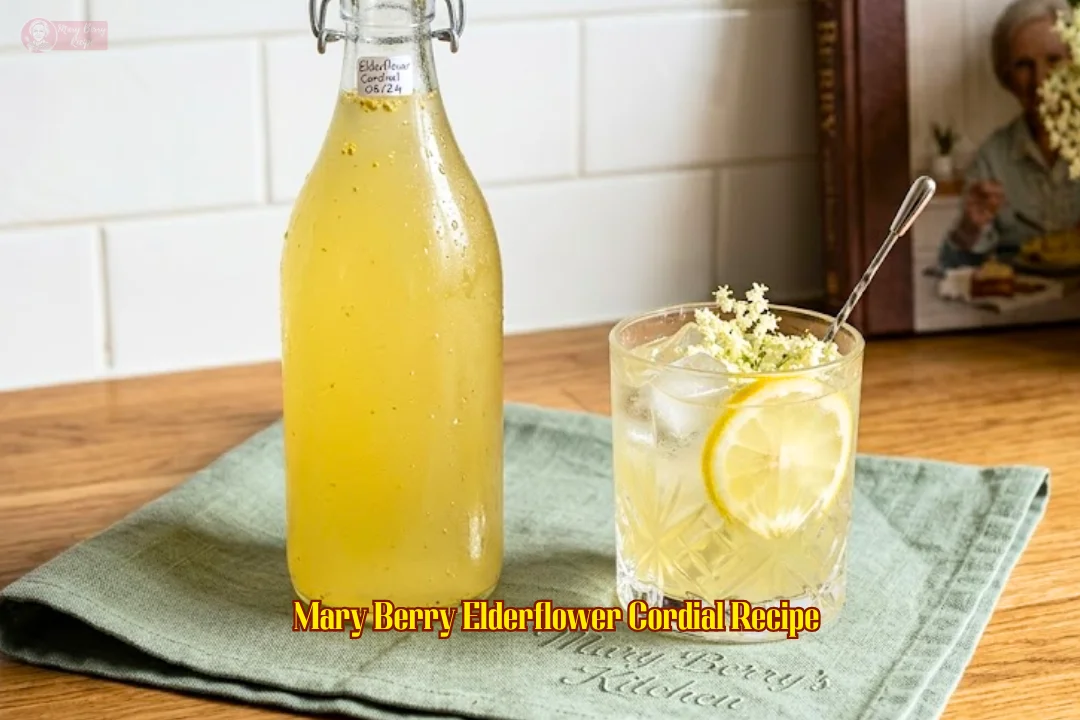
Mary Berry Elderflower Cordial Recipe (Simple, Fragrant, and Refreshing)
Mary Berry Elderflower Cordial Recipe is one of those simple homemade drinks that I look forward to making every year when elderflowers are in bloom.
The first time I made it after watching her show, I was surprised by how much flavour came from such small white flowers. The smell alone filled my kitchen and made the whole house feel fresh.
From that moment, in every spring we make a huge batch of this old-fashioned elderflower cordial.
This traditional elderflower cordial has been enjoyed in Britain for generations. It is known for its light floral taste, easy preparation, and simple ingredients.
Fresh elderflowers, lemon, sugar, and water come together to make a refreshing drink that lasts for months in the fridge.
I enjoy making a batch at the start of summer because it works with so many drinks. You can mix it with water, tonic, or even add it to desserts.
If you enjoy homemade cordials and classic British recipes, this Elderflower Cordial drink recipe inspired by Mary Berry is well worth trying.
What is an Elderflower Cordial?
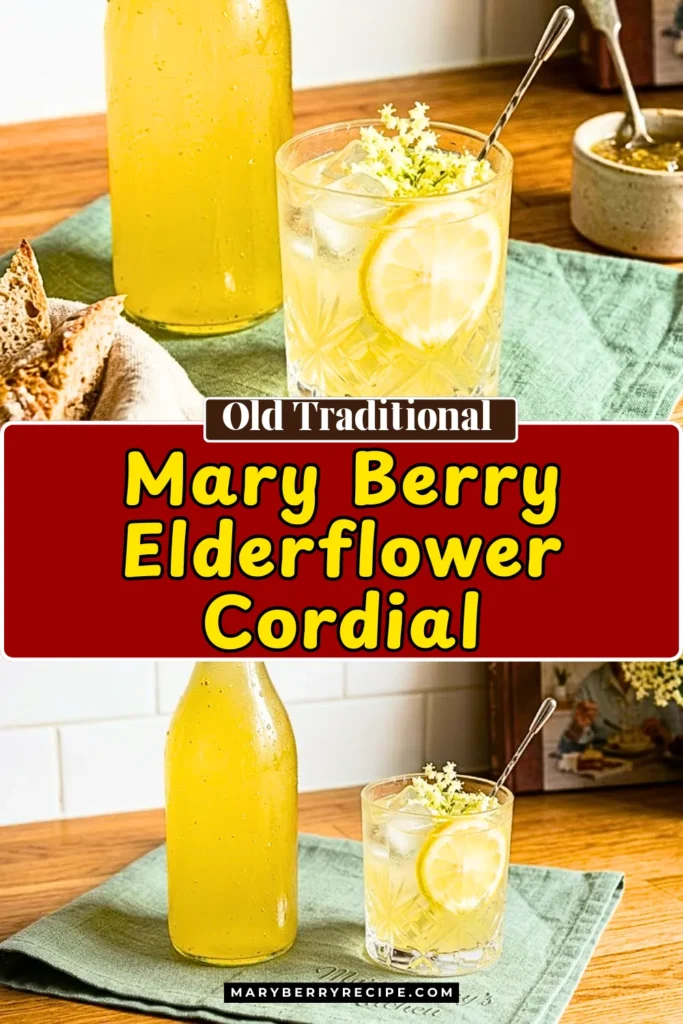
Elderflower cordial is a sweet, floral syrup made by steeping fresh elderflowers in hot sugar syrup with lemon.
I’ve tried both homemade and store-bought versions, and the homemade one always has a fresher taste and a stronger flower aroma. The flavor is light, slightly citrusy, and very refreshing when mixed with cold water or sparkling drinks.
This traditional drink has been popular for generations because it is simple to make and captures the flavor of elderflowers at their best. Fresh flower heads provide the main taste, while lemon adds brightness and balance.
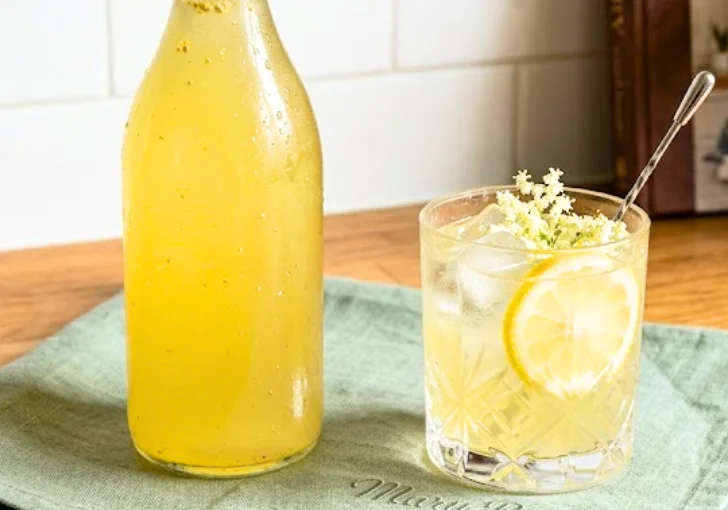
I like making it every summer because a single batch lasts for months in the fridge and can be used in drinks, desserts, and even ice cubes for extra flavor.
Mary Berry Elderflower Cordial Ingredients
30 Fresh Elderflower Heads – Fresh elderflowers provide the floral flavour that gives this cordial its character. Use fully open flowers for the best results.
1 Lemon – Lemon adds brightness and balances the sweetness. It also helps bring out the elderflower flavour.
1kg Caster Sugar – Caster sugar creates the sweet syrup base and helps preserve the cordial during storage.
2 Litres Water – Water forms the main liquid base and carries all the flavours together.
Important Preparation Notes
- Pick elderflowers on a dry day.
- Collect approximately 30 flower heads from several different elder trees.
- Keep flower heads upright while picking to prevent the pollen from falling out, as the pollen contributes much of the flavour.
- Do not wash the flowers.
- Spread the flower heads on trays and leave them outside for a few hours.
- Shake them gently to allow any insects to escape.
- Remove as much stem as possible. Small stems are acceptable, but thick green stems should be trimmed away because they are bitter and mildly toxic.
- Use flower heads that are fully open and bright white. Avoid buds that have not opened and flowers that are beginning to turn brown.
Ingredients Substitutions & Variations
- Granulated Sugar Instead of Caster Sugar – Works well if caster sugar is unavailable.
- Lime Instead of Lemon – Adds a slightly different citrus note.
- Orange and Lemon Combination – Creates a fruitier flavour.
- Sparkling Water Serving Option – Gives a lighter and more refreshing drink.
- Mint Leaves During Serving – Adds extra freshness without changing the cordial itself.
- Frozen Elderflower Cordial Cubes – Freeze portions in ice trays for easy use later.
- Light Honey Blend – Replace a small portion of sugar with honey for a subtle twist.
How To Make Mary Berry Elderflower Cordial
Step 01 – Prepare the Elderflowers
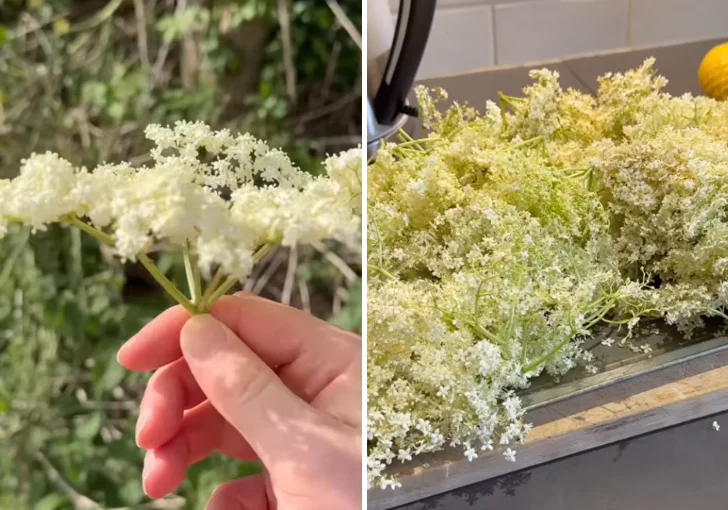
Pick approximately 30 elderflower heads on a dry day, keeping each flower head upright while harvesting. Spread the flowers out on trays and leave them outside for a few hours. Give them a gentle shake to remove any insects. Trim away any thick stems, leaving only small amounts of stem attached to the flower heads.
Step 02 – Make the Sugar Syrup
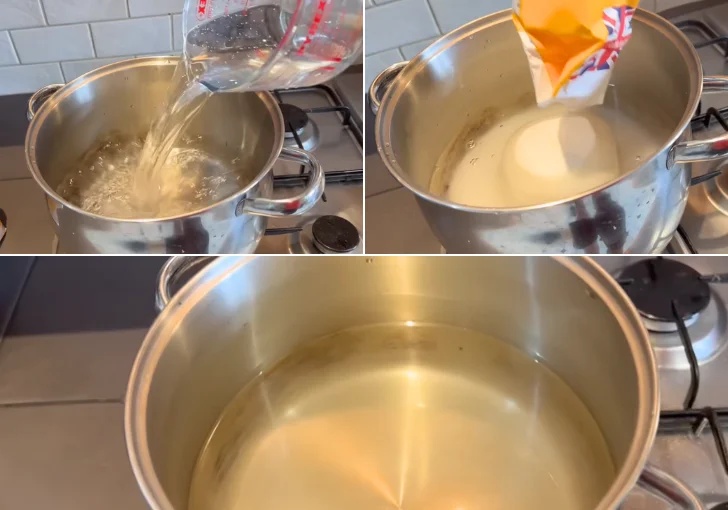
Add the water and caster sugar to a large saucepan. Place over a medium heat and stir until all of the sugar has completely dissolved. Once dissolved, increase the heat to high and bring the mixture to a steady rolling boil.
Step 03 – Add the Lemon
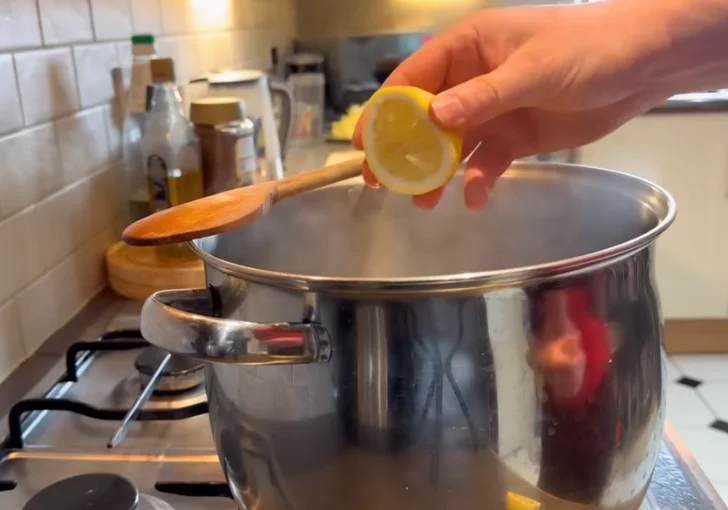
Remove the saucepan from the heat. Cut the lemon in half and squeeze the juice into the hot syrup, catching and discarding any seeds. Add the squeezed lemon halves to the pan as well.
Step 04 – Infuse the Elderflowers
While the syrup is still hot, add the prepared elderflower heads to the pan. Press the flowers down gently so they are fully submerged beneath the liquid. The flowers should remain completely covered by the hot syrup.
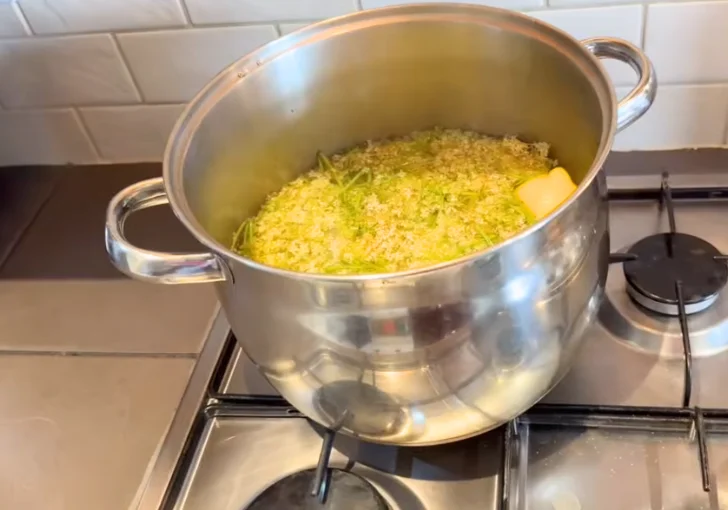
Step 05 – Leave Overnight
Cover the pan and leave the mixture to infuse overnight. An infusion time of around 15 hours produces a strong elderflower aroma and flavour.
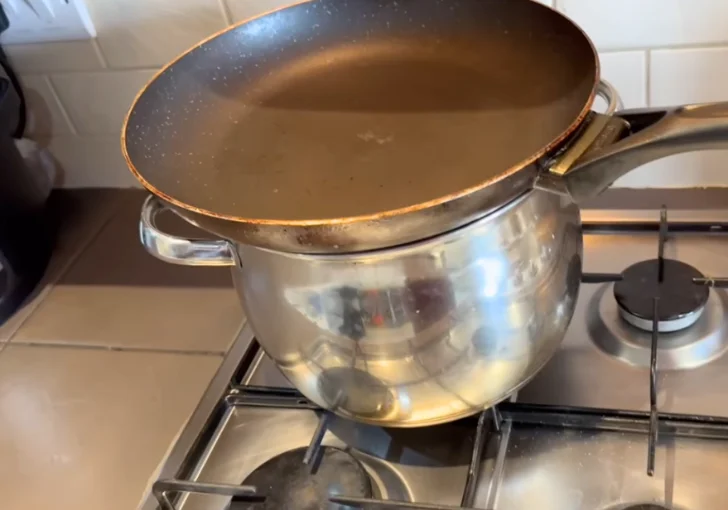
Step 06 – Strain the Cordial
The following day, strain the mixture through a very fine mesh sieve or through muslin to remove all flowers and solids. Allow the liquid to drain thoroughly so that all of the infused flavour is captured.
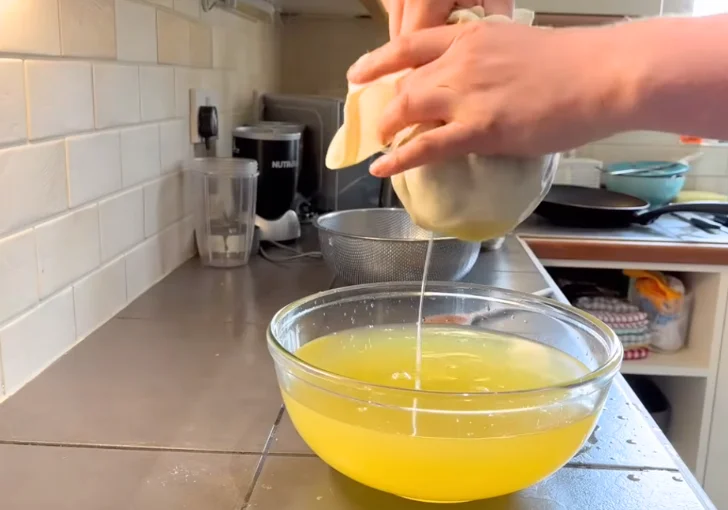
Step 07 – Bottle and Store
Pour the strained cordial into sterilised bottles and label them. Store the bottles in the refrigerator.
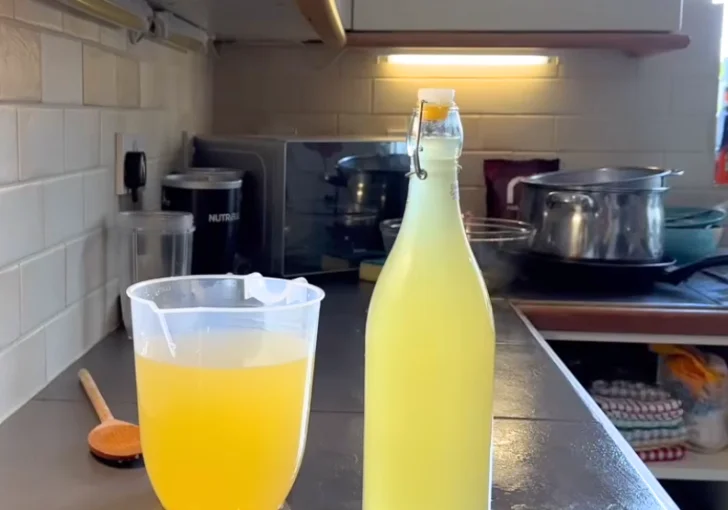
Step 08 – Mature and Enjoy
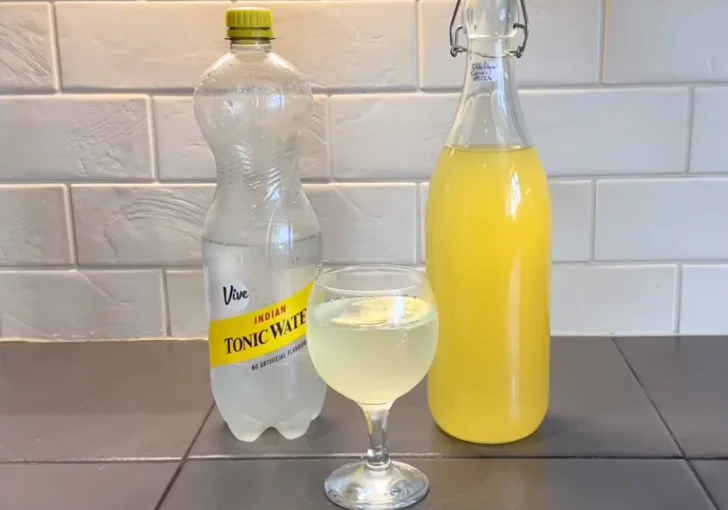
The cordial can keep in the fridge for several months. The finished cordial should have a sweet flavour with the distinctive aroma of fresh elderflowers. To serve, dilute a small amount with cold water, tonic water, or another preferred mixer.
Quick Tips and Handy Notes for the Best Elderflower Cordial
Pick on a sunny, dry day – I always collect elderflowers after a few dry days because the flowers hold more fragrance and give a stronger flavor.
Choose fully opened flower heads – The best cordial comes from bright white blooms that are completely open and packed with pollen.
Don’t wash the flowers – I never rinse them. The pollen carries much of the flavor, and washing can remove the good stuff.
Let insects leave naturally – Spread the flowers on trays for a few hours, then give them a gentle shake before using.
Trim away thick stems – Small stems are fine, but large green ones can add bitterness that you don’t want in the finished cordial.
Be patient with the infusion – I leave mine overnight. The extra time creates a deeper elderflower taste and a lovely aroma.
Use properly sterilized bottles – Clean bottles help the cordial stay fresh longer and reduce the chance of spoilage.
Strain slowly and carefully – A fine sieve or muslin cloth gives a cleaner, clearer cordial without flower bits.
Chill it as soon as it’s bottled – I place mine straight into the fridge to keep the flavor fresh and bright.
Add a date label – A quick label helps me track freshness, especially when I’ve made more than one batch.
How To Use and Serving Suggestions for This Mary Berry Elderflower Cordial
I often keep a bottle in the fridge throughout summer because it works in so many ways. The simplest option is mixing a small amount with cold water for a refreshing drink.
Sparkling water gives a lighter finish and brings out the floral notes. Tonic water works especially well if you enjoy slightly sharper flavours.
A splash can also be added to homemade lemonade for extra freshness. Some people freeze the cordial into ice cubes and add them to drinks.
The cubes slowly melt and release more flavour as you drink. It also works nicely in fruit salads, sorbets, and light summer desserts.
Common Pitfalls When Making Mary Berry’s Elderflower Cordial
- Picking flowers after rain, which can reduce flavour.
- Washing elderflowers and removing valuable pollen.
- Using flowers that have started turning brown.
- Leaving thick green stems attached to the flower heads.
- Not dissolving the sugar completely before boiling.
- Rushing the infusion time and losing flavour depth.
Make-Ahead and Storage
Make Ahead
This cordial is ideal for making ahead. In fact, I think it tastes even better after a few days in the fridge. The flavours settle nicely and become more rounded. Making a large batch means you’ll have plenty ready whenever you need it.
Storage
Store the bottled cordial in sterilised bottles inside the refrigerator. Since this version does not use citric acid, chilled storage is important. Properly stored, it can last for several months.
Always use clean utensils when serving to help maintain freshness. If you notice any unusual smell or appearance, discard the batch.
Mary Berry Elderflower Cordial FAQs
Can I wash elderflowers before making cordial?
It is best not to wash them. Much of the flavour comes from the pollen on the flowers. Washing removes that pollen and can weaken the final taste. Instead, leave the flowers outside for a few hours and gently shake away any insects.
How long does homemade elderflower cordial last?
When stored in sterilised bottles in the refrigerator, it can last several months. Good hygiene during preparation and bottling helps extend its shelf life and maintain quality throughout storage.
Can I freeze elderflower cordial?
Yes. You can freeze it in suitable containers or ice cube trays. Frozen portions are handy for drinks and can be used whenever needed. Allow space for expansion if freezing large quantities.
What does elderflower cordial taste like?
It has a sweet, floral flavour with light citrus notes from the lemon. The taste is delicate, refreshing, and quite different from standard fruit syrups. Many people find it very pleasant during warmer months.
Why should elderflowers be picked on a dry day?
Dry weather helps preserve the pollen that carries much of the flower’s flavour. Rain can wash away some of those natural oils and reduce the strength of the finished cordial.
Can I use dried elderflowers?
Fresh elderflowers produce the best flavour and aroma. Dried flowers can work in some cases, but the finished cordial usually lacks the freshness that makes traditional elderflower cordial so popular.
Why do I need to remove thick stems?
Thick green stems contain compounds that may create bitterness. Removing them helps produce a cleaner and sweeter flavour while keeping the cordial pleasant to drink.
Can I use bottled lemon juice?
Fresh lemon is always the better option. Fresh juice provides brighter flavour and the lemon halves also add extra character during the infusion process.
How much cordial should I use per drink?
Most people use a small splash and then adjust to taste. Start with two to three tablespoons in a glass and add more if you prefer a stronger flavour.
Is elderflower cordial suitable for children?
Yes, when diluted with water it makes a lovely soft drink. Children often enjoy its sweet floral taste. As with any sweet drink, moderation is sensible.
Can I use the cordial in desserts?
Absolutely. It works very well in sorbets, fruit salads, cakes, jelly, and other light desserts. A little goes a long way because the flavour is quite concentrated.
Why is my cordial cloudy?
A little cloudiness can happen naturally due to tiny flower particles. Straining through muslin cloth usually improves clarity. The flavour is normally unaffected.
Mary Berry Elderflower Cordial Recipe (Old-Fashioned Traditional & Easy Homemade)
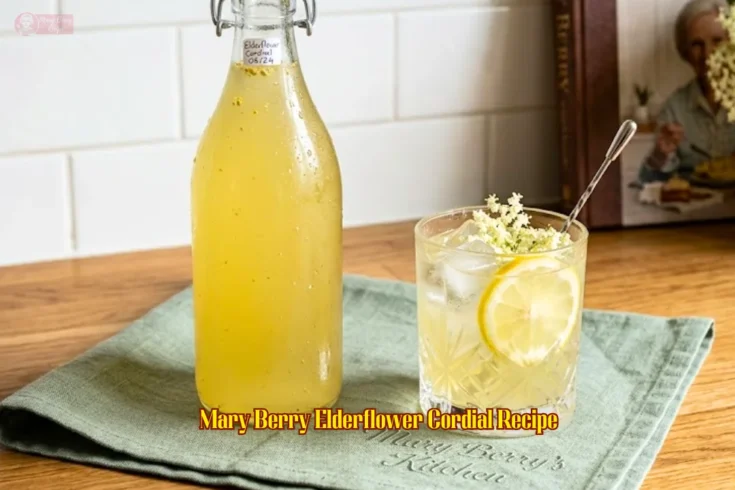
Mary Berry Elderflower Cordial Recipe is a simple homemade drink made with fresh elderflowers, lemon, sugar, and water. I love making this elderflower cordial each summer because the flavor is light, floral, and far fresher than most bottled versions. This easy recipe takes about 20 minutes of hands-on work, then the flowers infuse overnight to create a fragrant syrup that keeps well in the fridge. If you're looking for a traditional elderflower cordial recipe with clear steps and helpful tips, this one is a great place to start. You can serve it with chilled water, sparkling water, or tonic for a refreshing drink.
Ingredients
- 30 fresh elderflower heads
- 1 lemon
- 1kg caster sugar
- 2 litres water
Instructions
- Pick approximately 30 elderflower heads on a dry day, keeping each flower head upright while harvesting. Spread the flowers out on trays and leave them outside for a few hours. Give them a gentle shake to remove any insects. Trim away any thick stems, leaving only small amounts of stem attached to the flower heads.
- Add the water and caster sugar to a large saucepan. Place over a medium heat and stir until all of the sugar has completely dissolved. Once dissolved, increase the heat to high and bring the mixture to a steady rolling boil.
- Remove the saucepan from the heat. Cut the lemon in half and squeeze the juice into the hot syrup, catching and discarding any seeds. Add the squeezed lemon halves to the pan as well.
- While the syrup is still hot, add the prepared elderflower heads to the pan. Press the flowers down gently so they are fully submerged beneath the liquid. The flowers should remain completely covered by the hot syrup.
- Cover the pan and leave the mixture to infuse overnight. An infusion time of around 15 hours produces a strong elderflower aroma and flavour.
- Pour the strained cordial into sterilised bottles and label them. Store the bottles in the refrigerator.
- The following day, strain the mixture through a very fine mesh sieve or through muslin to remove all flowers and solids. Allow the liquid to drain thoroughly so that all of the infused flavour is captured.
- The cordial can keep in the fridge for several months. The finished cordial should have a sweet flavour with the distinctive aroma of fresh elderflowers. To serve, dilute a small amount with cold water, tonic water, or another preferred mixer.
Nutrition Information:
Serving Size:
2 tablespoons cordial diluted with water (about 1 serving)Amount Per Serving: Calories: 52Carbohydrates: 13gSugar: 13g
This Mary Berry Elderflower Cordial Recipe is one of the nicest seasonal drinks I make each year. The ingredients are simple, the method is straightforward, and the result tastes far better than many shop-bought versions.
I always enjoy opening a bottle a few weeks later and catching that lovely elderflower scent.
If you have access to fresh elderflowers, give this recipe a try. I think you’ll be pleased with the result. If you make it, I’d love to hear how it turned out for you.