Mary Berry Slow Roast Lamb Recipe (Holiday Special Dish)
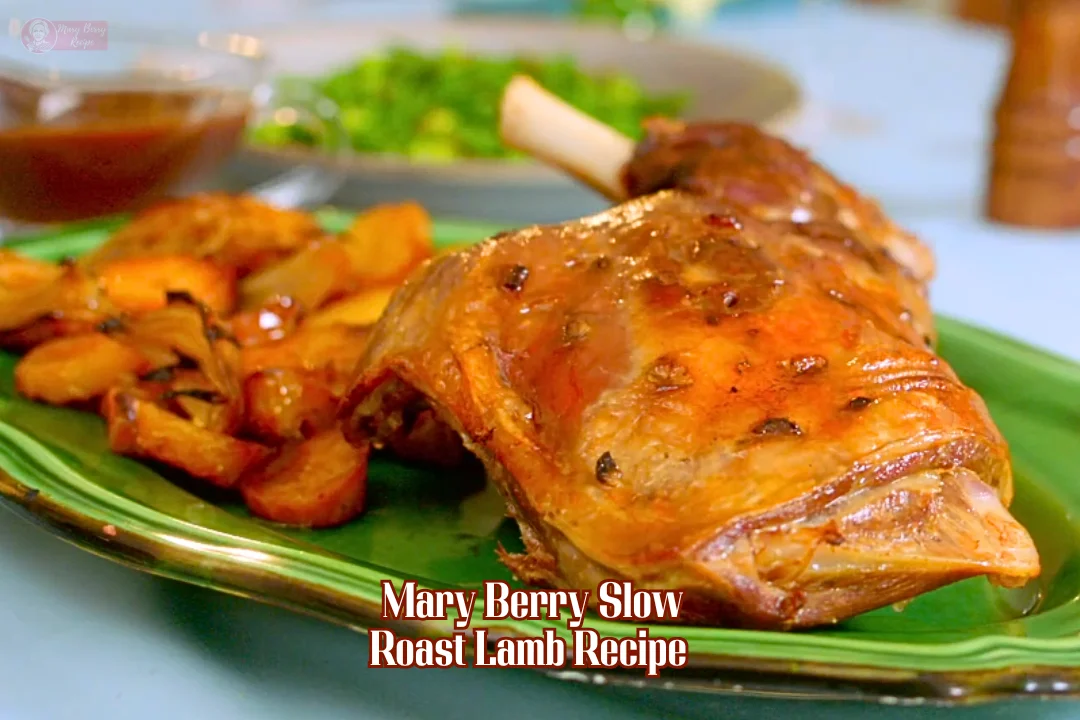
Today’s Mary Berry Slow Roast Lamb Recipe is the kind of roast I like to make when I want tender lamb, crisp potatoes and a proper gravy on the table. The lamb cooks slowly until the meat is soft and pulls away from the bone with ease.
I first liked this style of roast because it keeps things simple. A good shoulder of lamb does most of the work. Garlic goes right into the meat, then the lamb gets a good brown crust before the slow roast starts.
Potatoes and onions cook in the same tin, so they pick up all those lovely lamb juices.
This slow roast lamb is also a lovely choice for an Easter Sunday lunch or a relaxed roast dinner.
You only need a few everyday ingredients, including garlic, potatoes, onions, hot stock and a splash of red wine for the gravy.
If you enjoy a proper British roast, give this slow roast lamb recipe one a go. Get the lamb in the oven, let it cook slowly, and save those roasting juices for the gravy.
Why This Mary Berry Slow Roast Lamb Is Worth Making
This isn’t a recipe where the steps are just there for the sake of it, each one earns its place. Shoulder is chosen over other cuts because the fat and connective tissue running through it need those long, slow hours to break down properly, turning tough meat soft and rich.
Garlic gets pushed straight into holes cut deep into the flesh rather than left sitting on top, so the flavour works its way through the meat itself, not just the crust.
The lamb is browned hard before it goes anywhere near a low oven, building colour and flavour you can’t get any other way.
Potatoes and onions are parboiled first so they cook evenly alongside the meat instead of turning to mush on the outside while staying hard in the middle.
The hot stock poured round everything picks up the meat juices and onion flavour as it roasts, and that same liquid gets turned straight into the gravy rather than being tipped down the sink.
What Cut of Lamb Should You Use & How Much
I use a shoulder of lamb, preferably bone-in and suitable for slow roasting.
Shoulder is well suited to this method because it has more fat and connective tissue than a lean cut. That gives the meat time to soften during the long cook.
For around 4 to 6 people, a shoulder weighing roughly 2kg is a useful size, though the exact weight depends on the amount of meat you want.
Bone-in shoulder gives a lovely flavour and helps the roast stay moist.
Boneless shoulder works too, but it may cook a little differently. When I say the lamb should be “falling from the bone”, I mean the meat is so tender that a knife slides in easily and the meat pulls away without much effort.
Perfect For
Easter Sunday lunch. This is the classic roast for the whole table, and it needs almost no attention while it cooks.
Feeding a crowd on a budget. Shoulder costs less than leg but stretches just as far once it’s cooked down and shredded.
Lazy Sunday roasts. Pop it in the oven mid-morning and you’ve got hours free before dinner.
First-time roast hosts. There’s very little that can go wrong here, the oven does most of the work for you.
Batch cooking. Extra portions freeze well, so you get two or three meals out of one roast.
Cold weather comfort food. Rich gravy and soft lamb are exactly what you want on a grey winter afternoon.
Using up the freezer. A frozen shoulder of lamb works just as well once fully thawed.
Mary Berry Slow Roast Lamb Ingredients
For the Lamb and Roast
1 shoulder of lamb, bone-in (around 2–2.5kg) – Choose bone-in over boneless here, the bone keeps the meat holding together while it softens and it adds real depth to the stock underneath. Most UK butchers and supermarkets like Waitrose or Morrisons sell British lamb shoulder ready for slow roasting.
4–6 garlic cloves – Push these deep into cuts made across the lamb rather than scattering them on top. This way the flavour spreads right through the meat, not just the outside crust. Fresh bulbs give a much stronger result than jarred garlic.
Salt, to taste – A generous amount goes on both sides of the lamb before it hits the oven. Ordinary table salt works fine, though flaky sea salt like Maldon gives a slightly better crust once the lamb browns.
Freshly ground black pepper, to taste – Grind this fresh rather than using ready-ground pepper from a jar, the flavour is noticeably sharper and it clings to the meat better during browning.
Potatoes, peeled and cut into large chunks – Maris Piper potatoes are the ones I always buy for this, they hold their shape through parboiling and still turn golden and crisp once roasted alongside the lamb.
Onions, peeled and halved or quartered – These soften under the lamb as it cooks and add real sweetness to the stock. Ordinary brown onions from any supermarket do the job perfectly well here.
568ml good-quality hot lamb or beef stock – A stock pot or cube from Knorr or Oxo works fine, just make sure it’s properly hot before it goes into the tin so it doesn’t slow down the cooking.
For the Gravy
50g plain flour – This thickens the gravy once mixed with the reserved lamb fat. Any supermarket own-brand plain flour, or Allinson’s if you keep a bag in, will do the job.
Lamb fat, skimmed from the cooking stock – This is what you use instead of butter or oil to make your roux, it carries all the flavour from the roast straight into your gravy.
A good splash of red wine – Pick something you’d actually drink, nothing needs to be expensive. Madeira, sherry or port work as a stand-in if you haven’t got wine open.
A dash of Worcestershire sauce – Lea & Perrins is the one most British kitchens have in the cupboard, and it adds a savoury depth the gravy needs.
Redcurrant jelly, to taste – Tiptree is a common UK brand for this. It rounds off the gravy with a touch of sweetness that balances the richness of the lamb fat.
Gravy browning, a small amount – Bisto gravy browning gives the sauce a deeper, richer colour if it looks a bit pale once thickened. It’s optional but worth having to hand.
Ingredient Notes & Smart Substitutions I’ll Probably Choose
Lamb stock: Beef stock is fine if lamb stock is not available. Choose a good-quality stock with a balanced salt level.
Red wine: Use a small amount of Madeira, sherry or port instead. Each gives the gravy a slightly different taste, so add a little first.
Redcurrant jelly: A small spoon of cranberry sauce can work in a pinch, although it will give the gravy a different flavour.
Bone-in shoulder: Boneless shoulder is suitable if that is what your butcher has. Keep an eye on the cooking time as the shape and weight can vary.
Gravy browning: Leave it out if you prefer. It is mainly there to deepen the colour.
Potatoes: Maris Piper, King Edward or another good roasting potato will work well.
How To Make Mary Berry Slow Roast Lamb
Step 01 – Prepare the Lamb
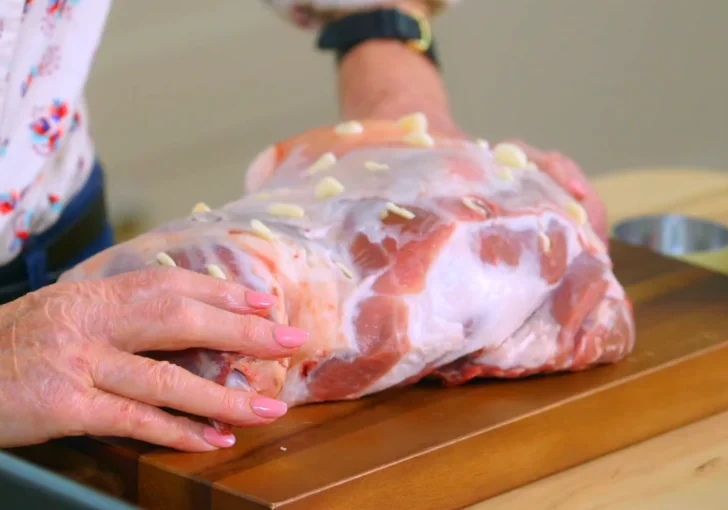
Preheat the oven to a high temperature suitable for browning the lamb. Make deep holes all over the shoulder of lamb using a sharp knife. Push pieces of garlic firmly into the holes so the garlic is embedded throughout the meat. No rosemary is required, and no oil needs to be rubbed over the lamb because the shoulder is naturally fatty.
Step 02 – Season the Lamb
Place the lamb in a large roasting tin. Season the upper surface generously with salt and freshly ground black pepper. Turn the lamb over so the side containing the garlic is underneath, then season the exposed side again with salt and pepper. Leave the lamb without added oil.
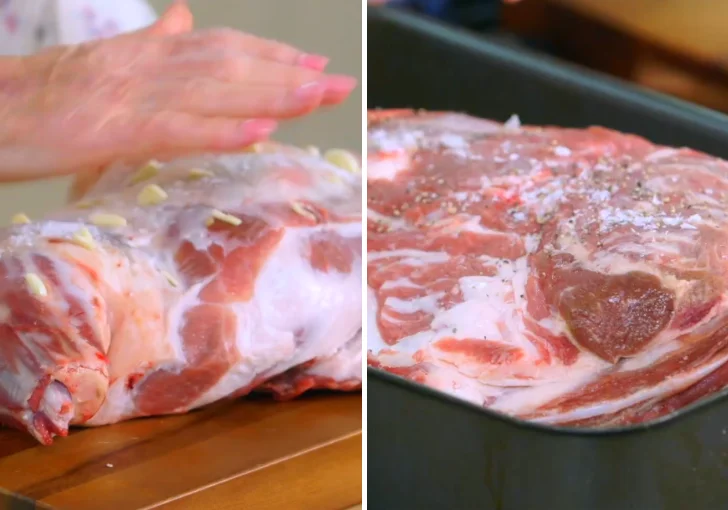
Step 03 – Brown the Lamb
Place the roasting tin in the hot oven and brown the lamb for approximately 20–30 minutes. The aim is to develop a good golden-brown colour on the outside before the long, slow cooking stage. This browning can be done earlier in the day if required.
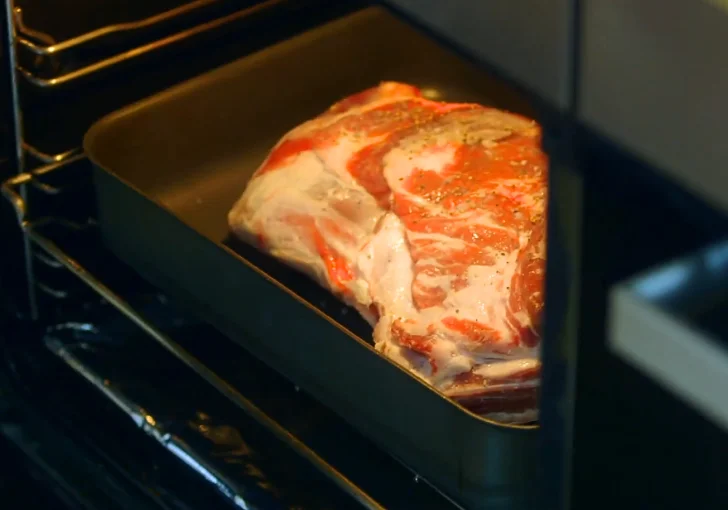
Step 04 – Parboil the Potatoes and Onions
While the lamb is browning, parboil the potatoes and onions until they are partly cooked but not completely tender. Drain them well and keep them ready to add to the roasting tin once the lamb has browned.
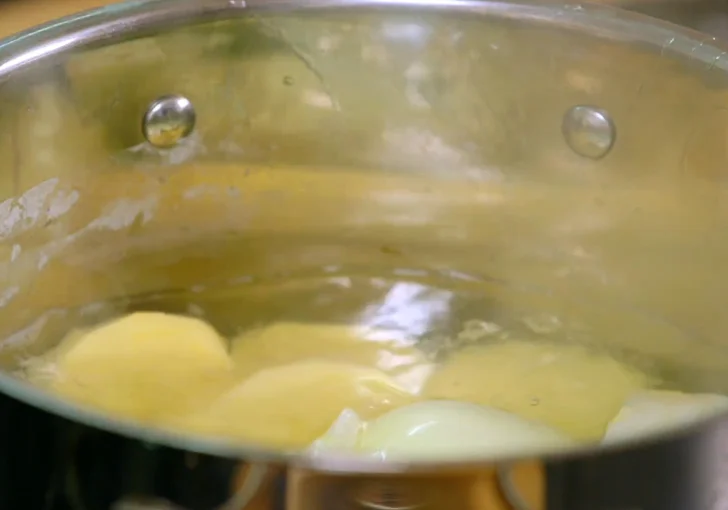
Step 05 – Add the Potatoes, Onions and Stock
Remove the browned lamb from the oven and turn it so it is sitting right side up. Arrange the parboiled potatoes and onions around the lamb in the roasting tin. Pour in 568ml of good hot lamb or beef stock, allowing the stock to surround the vegetables and collect the flavour from the roasting juices.
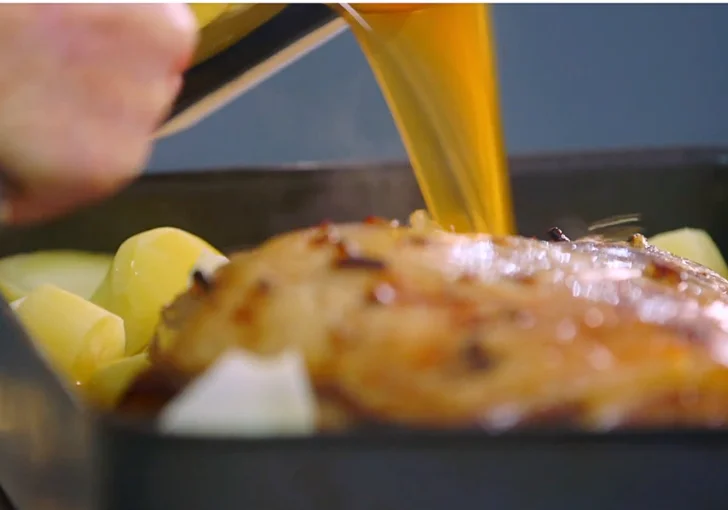
Step 06 – Cover and Slow Roast
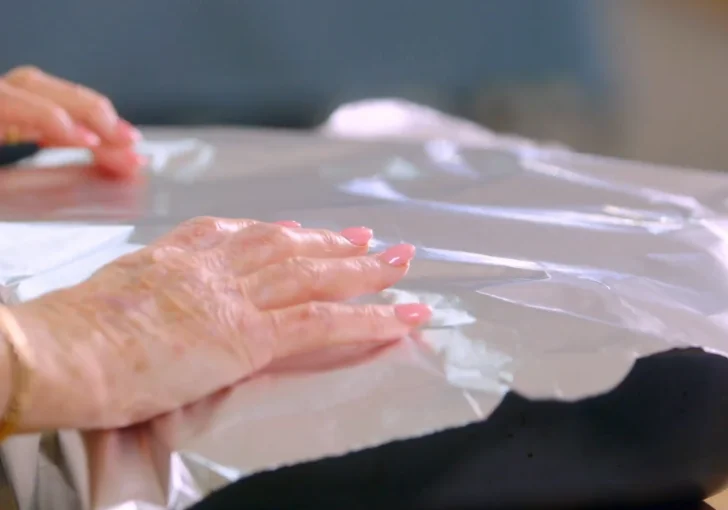
Cover the roasting tin tightly with foil. Reduce the oven to 140°C fan and return the covered lamb to the oven. Slow roast for approximately 3 hours, bringing the total cooking time to around 3½ hours, including the initial browning stage. The slow cooking allows the lamb to become extremely tender and easy to carve.
Step 07 – Check the Lamb
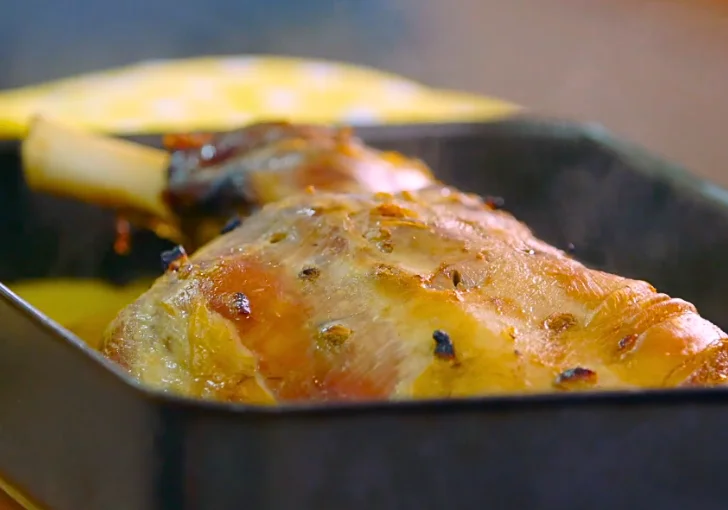
Near the end of the cooking time, remove the roasting tin from the oven and check the lamb. The meat should be exceptionally tender, with a knife passing into it very easily. The lamb should be cooked until the meat is tender enough to pull away readily from the bone.
Step 08 – Strain the Cooking Stock
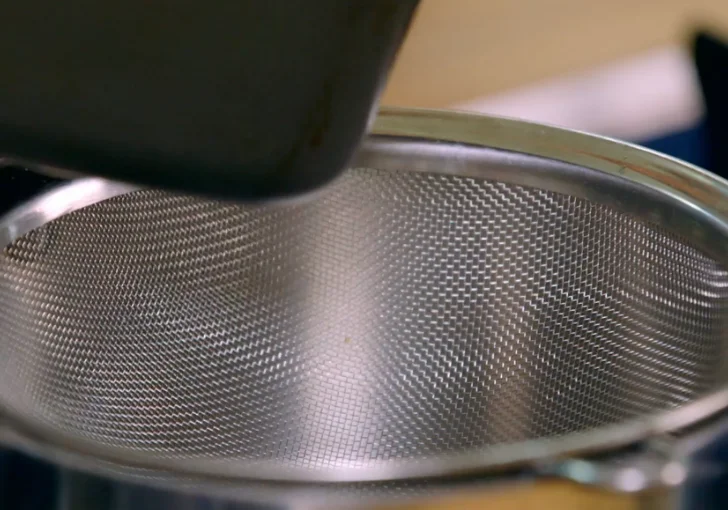
Carefully remove the lamb and drain the flavoursome stock from the roasting tin into a suitable jug or bowl. Keep the stock for the gravy. The onions will have infused the stock with additional flavour. Skim the fat from the surface of the stock and reserve the lamb fat for making the gravy.
Step 09 – Brown the Potatoes and Onions
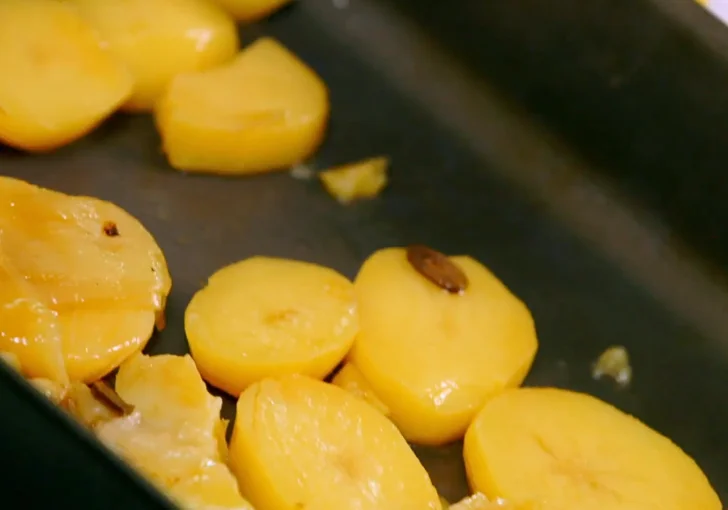
Return the potatoes and onions to the oven, uncovered, while the gravy is prepared. Roast them until they are nicely browned and golden. The vegetables will have absorbed some of the lamb juices during the slow cooking, giving them a rich savoury flavour.
Step 10 – Make the Roux
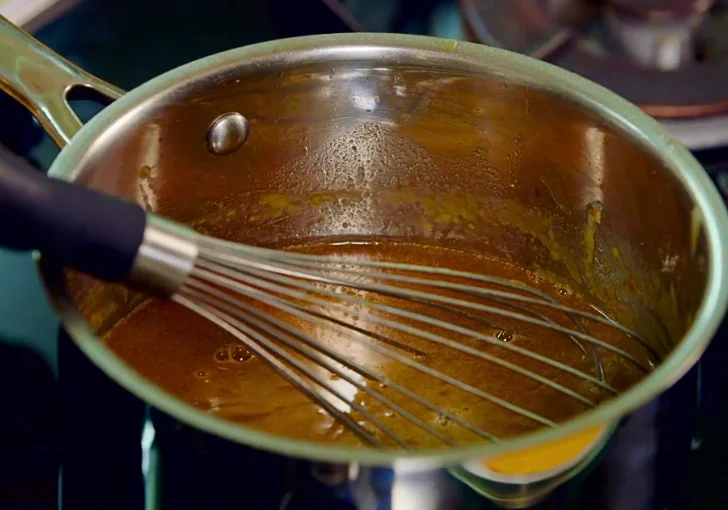
Place some of the reserved lamb fat in a saucepan and heat until melted. Add 50g plain flour and whisk continuously to combine the fat and flour into a smooth roux. Cook the mixture briefly while whisking so the flour is incorporated and the base of the gravy is smooth.
Step 11 – Add the Stock
Gradually whisk the reserved hot lamb stock into the roux. Keep whisking as the liquid is added to prevent lumps from forming. Continue cooking until the gravy thickens and becomes smooth and glossy.
Step 12 – Add the Red Wine and Seasonings
Add a good splash of red wine to the gravy and stir well. Add a dash of Worcestershire sauce and enough redcurrant jelly to bring out and balance the flavour of the lamb. Taste the gravy and adjust the seasoning if necessary. If red wine is unavailable, Madeira, sherry or port can be used instead.
Step 13 – Enrich the Gravy Colour
Add a small amount of gravy browning if a deeper, richer colour is wanted. Stir well and continue simmering until the gravy reaches a rich consistency. Keep it hot until ready to serve.
Step 14 – Rest the Lamb
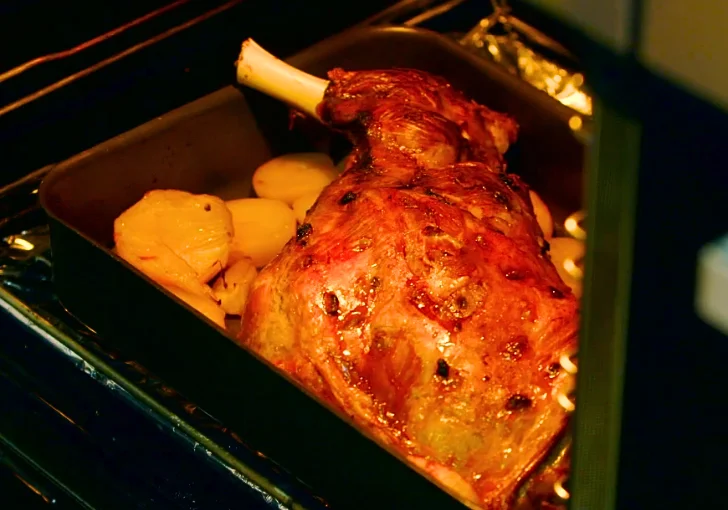
Remove the beautifully browned lamb from the oven and allow it to rest before carving. Resting gives the meat time to settle while keeping the juices within the roast. The roasted garlic should remain visible between the browned portions of lamb.
Step 15 – Serve
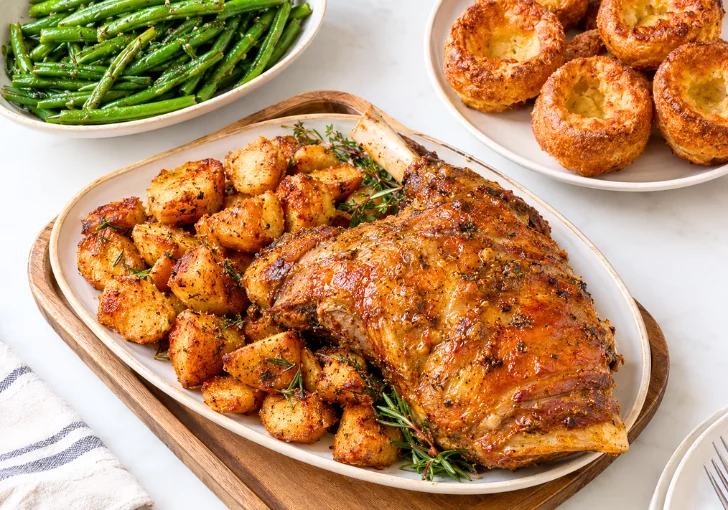
Serve the slow-roasted lamb with the browned potatoes and onions, accompanied by plenty of the rich red wine gravy. The lamb should be tender enough to carve very quickly, with the meat falling readily from the bone.
Can You Use Leg of Lamb Instead
You can use leg of lamb, but it is not the same cut or cooking method. The recipe here is built around shoulder, which suits long, slow cooking and becomes very tender.
For this recipe I focus on shoulder for the Easter roast. Leg is leaner and is often cooked for a shorter time when the aim is neat slices.
If you swap to leg, do not simply use the same timing and expect the same result. The texture and cooking needs are different.
Tips & Notes for Perfect Mary Berry Slow Roast Lamb
- Don’t skip the browning stage, it builds flavour you can’t get any other way.
- Keep the foil tight over the tin during slow roasting so the moisture stays trapped inside.
- Check the lamb near the end rather than exactly at the timer, ovens vary and shoulder can need a little longer.
- Skim as much fat as you can off the stock before making the roux, it stops the gravy tasting greasy.
- Whisk the stock into the roux slowly, adding it too fast is the main reason gravy turns lumpy.
- Let the lamb rest properly, carving straight from the oven loses too much of the juice.
Mary Berry Slow Roast Lamb Variations You Can Try
Garlic and Mint Lamb
Add a little chopped fresh mint to the finished gravy or serve it fresh beside the lamb. Mint gives the rich shoulder a clean, fresh taste.
Red Wine Gravy Lamb
For a stronger gravy, use a generous splash of red wine and let it simmer for a few minutes before serving. This works especially well with a rich shoulder.
Port and Redcurrant Gravy
Swap the red wine for port and keep the redcurrant jelly. The result is slightly sweeter and very good with roast potatoes.
Mustard Roast Lamb
For a change, serve a little English mustard alongside the cooked lamb. Colman’s English Mustard gives the rich meat a sharp kick without changing the roasting method.
Mint and Caper Butter
Make a quick butter with softened butter, chopped fresh mint and capers. Serve a small spoonful with the lamb and green vegetables for a fresh contrast.
Can You Make This Mary Berry Slow Roast Lamb Ahead
Yes, quite a lot can be done before the roast goes into the oven.
I often find it useful to stud the lamb with garlic ahead of time. You can make the holes, add the garlic and keep the prepared lamb covered in the fridge. Take it out in good time before cooking.
The potatoes and onions can also be peeled, cut and parboiled ahead. Drain them well and keep them chilled until needed.
You can also organise the roasting tin, measure the flour and have the gravy ingredients ready. This makes the final cooking much calmer.
Fully cooking the lamb the day before is a different matter. Slow-roasted shoulder can be reheated, but it may lose some of its lovely fresh texture and can dry out if reheated too hard. If you cook it ahead, keep the meat covered with some of its cooking juices, chill it promptly, then reheat gently until piping hot throughout.
What to Serve With This Mary Berry Slow Roast Lamb
I like to keep the sides fairly simple because the lamb and gravy already bring plenty to the plate. Golden roast potatoes and soft onions are a must. Add green beans, broad beans or another green vegetable for some freshness.
For an Easter lunch, fresh mint works particularly well. Mint and caper butter is another good choice if you want something a little different.
Yorkshire puddings can be served with lamb if that is how you like your roast dinner, although they are not needed. A spoonful of redcurrant jelly or jam on the side is also lovely with the rich meat.
The main thing is to keep plenty of gravy on the table. That is what brings the lamb, potatoes and vegetables together.
Storing Leftovers, Freezing & Reheating Instructions
Storing leftovers
Let leftover lamb cool, then place it in a covered container and refrigerate within two hours. Keep the meat chilled and use it within 3 to 4 days. Store the gravy separately if possible. This makes reheating easier and helps the meat stay moist.
Freezing leftovers
Remove the lamb from the bone and pack it into a freezer-safe container or bag. Add a little gravy or cooking juice to help protect the meat from drying out. Freeze for up to 2 to 3 months for the best quality. Defrost in the fridge before reheating.
Reheating
Reheat the lamb gently in a covered dish with a little gravy or stock. A moderate oven works well. Make sure the centre is piping hot throughout before serving. Reheat only the amount you plan to eat, rather than warming the same leftovers several times.
FAQs
How long does slow roast lamb take?
For the method in this recipe, the lamb browns for around 20 to 30 minutes first, followed by about 3 hours at 140°C fan while covered. That gives a total cooking time of roughly 3½ hours. Larger shoulders may need longer, so check the meat for tenderness before serving.
What temperature should I use for slow roast lamb?
After browning, this recipe uses 140°C fan for the slow cooking stage. The lamb cooks covered with hot stock, which helps keep the roasting tin moist. Oven temperatures can vary, so use the stated temperature as your guide and check the meat itself near the end.
Why do you put garlic inside the lamb?
Pushing garlic into holes in the shoulder lets the garlic cook inside the meat rather than only flavouring the outside. As the lamb slowly roasts, the garlic softens and gives the meat a gentle savoury taste. It is a simple step, but it makes a noticeable difference.
Do I need to add rosemary?
No. Rosemary is not needed for this recipe. The garlic, lamb, onions and gravy give the roast plenty of flavour. If you enjoy rosemary, you can serve a small amount alongside the finished lamb, but I would not add it just because it is commonly paired with lamb.
Can I brown the lamb earlier in the day?
Yes. The lamb can be browned earlier if that makes the cooking easier. After browning, continue with the method once you are ready to slow roast it. Make sure the lamb and roasting tin are handled safely, and do not leave cooked food sitting at room temperature for long periods.
Why do I parboil the potatoes first?
Parboiling gives the potatoes a head start. The lamb cooks slowly and is covered for much of the cooking time, so raw potatoes may not reach the right texture. Starting them in boiling water means they are partly cooked before they go into the roasting tin for their final golden finish.
Can I use beef stock instead of lamb stock?
Yes. Lamb stock gives the strongest lamb flavour, but good-quality beef stock works well too. I would choose a stock that is not overly salty because the roasting juices, Worcestershire sauce and seasoning will add more flavour later. Taste the gravy before adding extra salt.
Why is my lamb not falling from the bone?
The most common reason is that it needs more cooking time. Shoulder contains connective tissue that softens during a long cook. If the knife still meets resistance, cover the lamb again and return it to the oven. Check it in another 20 to 30 minutes until it is properly tender.
How do I make the gravy thicker?
If your gravy is too thin, let it simmer gently for a few more minutes so some of the liquid cooks away. If needed, you can mix a small amount of plain flour with cold water and add it gradually, but the flour-and-lamb-fat roux in this recipe should normally give you a good starting point.
Can I make the gravy without red wine?
Yes. Red wine adds depth, but the gravy will still be good without it. Madeira, sherry or port can be used instead. You can also leave alcohol out altogether and use more stock. Taste the gravy at the end and adjust the redcurrant jelly and Worcestershire sauce to suit.
Can I freeze cooked slow roast lamb?
Yes. I recommend removing the meat from the bone before freezing. Keep it with a little gravy or cooking juices so it does not dry out. Store it in a suitable freezer container and use it within around 2 to 3 months for the best taste and texture.
How long should the lamb rest before serving?
I like to rest the lamb for around 15 to 20 minutes. This gives you enough time to finish the gravy and get the vegetables onto the table. Keep the lamb loosely covered so it stays warm without trapping too much steam around the browned outside.
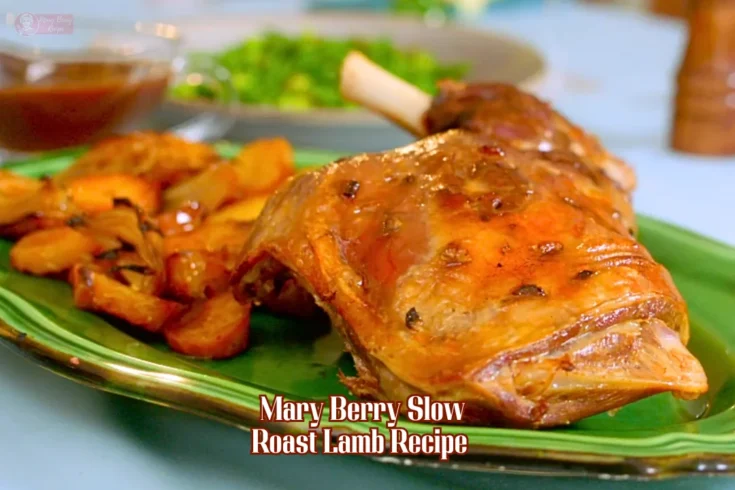
Mary Berry Slow Roast Lamb Recipe
Mary Berry Slow Roast Lamb Recipe makes tender, garlic-studded lamb with golden potatoes, soft onions, and rich red wine gravy. I love this easy British roast because most of the cooking happens in the oven, leaving you time to get everything else ready. Allow about 3½ hours for cooking. Serve your slow roast lamb with green beans, broad beans, mint, and plenty of warm gravy for a proper Sunday roast.
Ingredients
For the Lamb and Roast
- 1 shoulder of lamb, preferably bone-in and suitable for slow roasting
- 4–6 garlic cloves, or enough to fill the holes made in the lamb
- Salt, to taste
- Freshly ground black pepper, to taste
- Potatoes, peeled and cut into large chunks
- Onions, peeled and cut into halves or quarters
- 568ml good-quality hot lamb or beef stock
- No oil is required for browning, as the shoulder of lamb provides enough natural fat
For the Gravy
- 50g plain flour
- Lamb fat skimmed from the cooking stock
- Reserved lamb and vegetable stock from the roasting tin
- A good splash of red wine
- A dash of Worcestershire sauce
- Redcurrant jelly, to taste
- Gravy browning, a small amount, to enrich the colour if desired
Instructions
- Preheat the oven to a high temperature suitable for browning the lamb. Make deep holes all over the shoulder of lamb using a sharp knife. Push pieces of garlic firmly into the holes so the garlic is embedded throughout the meat. No rosemary is required, and no oil needs to be rubbed over the lamb because the shoulder is naturally fatty.
- Place the lamb in a large roasting tin. Season the upper surface generously with salt and freshly ground black pepper. Turn the lamb over so the side containing the garlic is underneath, then season the exposed side again with salt and pepper. Leave the lamb without added oil.
- Place the roasting tin in the hot oven and brown the lamb for approximately 20–30 minutes.
- While the lamb is browning, parboil the potatoes and onions until they are partly cooked but not completely tender. Drain them well and keep them ready to add to the roasting tin once the lamb has browned.
- Remove the browned lamb from the oven and turn it so it is sitting right side up. Arrange the parboiled potatoes and onions around the lamb in the roasting tin. Pour in 568ml of good hot lamb or beef stock, allowing the stock to surround the vegetables and collect the flavour from the roasting juices.
- Cover the roasting tin tightly with foil. Reduce the oven to 140°C fan and return the covered lamb to the oven. Slow roast for approximately 3 hours, bringing the total cooking time to around 3½ hours, including the initial browning stage. The slow cooking allows the lamb to become extremely tender and easy to carve.
- Near the end of the cooking time, remove the roasting tin from the oven and check the lamb.
- Carefully remove the lamb and drain the flavoursome stock from the roasting tin into a suitable jug or bowl. Keep the stock for the gravy. The onions will have infused the stock with additional flavour. Skim the fat from the surface of the stock and reserve the lamb fat for making the gravy.
- Return the potatoes and onions to the oven, uncovered, while the gravy is prepared. Roast them until they are nicely browned and golden.
- Place some of the reserved lamb fat in a saucepan and heat until melted. Add 50g plain flour and whisk continuously to combine the fat and flour into a smooth roux. Cook the mixture briefly while whisking so the flour is incorporated and the base of the gravy is smooth.
- Gradually whisk the reserved hot lamb stock into the roux. Keep whisking as the liquid is added to prevent lumps from forming. Continue cooking until the gravy thickens and becomes smooth and glossy.
- Add a good splash of red wine to the gravy and stir well. Add a dash of Worcestershire sauce and enough redcurrant jelly to bring out and balance the flavour of the lamb. Taste the gravy and adjust the seasoning if necessary. If red wine is unavailable, Madeira, sherry or port can be used instead.
- Add a small amount of gravy browning if a deeper, richer colour is wanted. Stir well and continue simmering until the gravy reaches a rich consistency. Keep it hot until ready to serve.
- Remove the beautifully browned lamb from the oven and allow it to rest before carving. Resting gives the meat time to settle while keeping the juices within the roast. The roasted garlic should remain visible between the browned portions of lamb.
- Serve the slow-roasted lamb with the browned potatoes and onions, accompanied by plenty of the rich red wine gravy.
Nutrition Information:
Serving Size:
6 servingsAmount Per Serving: Calories: 680
I keep coming back to this Mary Berry Slow Roast Lamb Recipe because it gives you the sort of roast that feels made for a proper Sunday table.
The shoulder becomes beautifully soft, the garlic adds a gentle savoury taste, and the potatoes and onions soak up those lovely lamb juices.
The gravy is my favourite part. Nothing from the roasting tin goes to waste, and every spoonful brings the whole plate together.
If you have a good shoulder of lamb waiting in the fridge, I hope you give this recipe a try.