
Mary Berry Simnel Cake Recipe (classic holiday celebration dessert)
Today’s Mary Berry Simnel Cake Recipe is a lovely choice for holiday season, with a rich fruit cake, soft almond marzipan and a golden top.
It has a gentle spice flavour and plenty of fruit in every slice. If you enjoy traditional British baking, this is a cake worth making at home.
Simnel cake has been linked with holiday for many years. It is known for its layer of marzipan in the middle, another layer on top and eleven little marzipan balls around the edge. Each part has its own place in this old-fashioned holiday bake.
I like this style of cake because it feels special without needing fancy ingredients. You will need eggs, butter, self-raising flour, light muscovado sugar, mixed spice, sultanas, dried apricots, glacé cherries and ground almonds.
Golden marzipan gives the cake its familiar look and sweet almond taste.
For this holiday season, I’m making one of my most favourite Mary Berry simnel cake recipe to celebrate with my family. The method is simple, too. Mix the cake ingredients, add the middle marzipan layer and let the oven do most of the work.
Once the cake has cooled, finish it with apricot jam and toasted marzipan. Put the kettle on, cut a generous slice and enjoy a proper taste of holiday baking.

Why Is It Called Simnel Cake
Simnel cake takes its name from the word simnel, which has long been linked with a fine bread or cake made from flour. The exact history of the name is not certain, but the cake became closely associated with Easter and the end of Lent in Britain.
In the past, people often made it as a rich treat after weeks of simpler food. It was also linked with Mothering Sunday, when people visited their mothers and brought food as a gift. Today, its fruit-filled centre and marzipan layers make it easy to recognise.
Unlike a plain fruit cake, a traditional Simnel cake has a layer of marzipan baked inside and another on top. That sweet almond layer is what makes it stand out. If you enjoy fruit cake but fancy something a little different for Easter, this is a lovely one to try.
Why Does Simnel Cake Have Eleven Marzipan Balls
The eleven marzipan balls on a Simnel cake traditionally represent the eleven faithful apostles of Jesus, with Judas Iscariot left out. This is one of the best-known parts of the cake’s Easter meaning, and it gives the decoration a story beyond its sweet taste.
I think this small detail is part of what makes Simnel cake so special. The balls are easy to shape, yet they help turn a simple fruit cake into a traditional Easter centrepiece. Arrange them around the edge at even spaces, and the cake looks neat without much effort.
The custom has lasted for generations, although recipes and decorations can vary from one baker to another. You do not need to be an expert to make it.
How to Plan Your Simnel Cake for a Special Occasion
Bake the cake up to a week before, then wrap it well once it is cold. Brush on the jam and add the marzipan topping the day before.
On the day itself, glaze the top, press on the eleven balls and toast it.
That way you only have the fun, quick jobs left, and you are not rushing about when your guests turn up.
Mary Berry Simnel Cake Ingredients
For the Fruit Cake
3 large eggs – Eggs bind the mixture and help the cake set as it bakes. Use large eggs at room temperature if possible, as they mix more easily with the butter. Ordinary British free-range eggs from brands such as Clarence Court or supermarket own-label ranges will work well.
175 g soft butter – Butter gives the cake its rich taste and helps create a tender crumb. Let it soften at room temperature before mixing. Unsalted butter is a good choice because it lets you control the salt level. British brands such as Lurpak or supermarket own-brand butter are suitable.
175 g self-raising flour – Self-raising flour helps the cake rise without needing a separate raising agent. Weigh it carefully for a balanced mixture. Most UK supermarket own-brand self-raising flours work well, so there is no need to buy a special brand for this recipe.
175 g light muscovado sugar – This soft brown sugar adds a gentle caramel taste and helps keep the cake moist. Break up any hard lumps before mixing. Light muscovado is easy to find in UK supermarkets, including Tate & Lyle and supermarket own-brand ranges.
2 teaspoons mixed spice – Mixed spice gives the cake its warm, familiar flavour. It usually contains cinnamon, coriander seed, caraway, nutmeg and other spices, depending on the blend. Use a fresh jar for the best taste. Schwartz and supermarket own-brand mixed spice are both suitable.
100 g sultanas – Sultanas add small, sweet bites throughout the cake. Check the packet for any dry stalks or hard pieces before adding them. If the sultanas look very dry, soak them briefly in warm water, then drain and dry them well before use.
100 g dried apricots, chopped – Dried apricots bring a mild tang that balances the sweetness of the marzipan. Cut them into small pieces so they spread evenly through the mixture. Choose soft, ready-to-eat apricots from the dried fruit aisle, and avoid pieces that are unusually hard.
100 g glacé cherries, quartered and washed – Glacé cherries give the cake colour and extra sweetness. Rinse them to remove excess syrup, then pat them dry with kitchen paper. This helps stop the mixture becoming too wet. Quarter each cherry so you get smaller pieces in every slice.
50 g ground almonds – Ground almonds add a gentle nutty taste and help give the cake a tender texture. They work well with the marzipan in the middle and on top. Choose plain ground almonds rather than almond flour blends containing extra ingredients.
3 tablespoons milk – Milk loosens the thick fruit cake mixture and helps the ingredients come together. Use whole or semi-skimmed milk, depending on what you have in the fridge. Add the stated amount first; the mixture should be thick but easy to spread in the tin.
For the Marzipan Layers and Decoration
450 g golden marzipan – Marzipan is the main feature of a Simnel cake. It gives the centre and topping their sweet almond flavour, while the eleven balls create the traditional Easter look. Ready-to-roll golden marzipan is convenient and widely sold in UK supermarkets.
2–3 tablespoons apricot jam, warmed – Apricot jam acts as the glue between the cake and its marzipan topping. It also adds a light fruit note. Use smooth jam if possible, or press it through a sieve to remove larger pieces before brushing it over the cake.
1 egg, beaten, for glazing – Beaten egg helps the marzipan turn golden under a grill or kitchen blowtorch. Beat it until the white and yolk are mixed well, then brush on a thin coat. Do not use too much, as it can run down the sides.
Ingredient Swaps That Work Well
No light muscovado sugar? Use soft light brown sugar. The flavour will be a little less rich, but the cake should still turn out well.
No sultanas? Raisins can replace them in the same weight. They may give the cake a slightly deeper, less delicate fruit flavour.
No dried apricots? Use extra sultanas or raisins to keep the total amount of fruit the same. The cake will lose some of the apricots’ mild tang.
No glacé cherries? Replace them with extra dried fruit, chopped to a similar size. You will miss the bright colour, but the cake will still be tasty.
Need a different topping method? A kitchen blowtorch or a hot grill can brown the marzipan. The grill needs close attention because the sugar in marzipan can burn quickly.
Making a nut-free cake? This recipe is not suitable as written because it contains ground almonds and marzipan. A nut-free version needs a different recipe and a suitable replacement topping.
How to Make Mary Berry Simnel Cake
Step 01 – Prepare the Oven and Cake Tin
Preheat the oven to 140°C conventional, 120°C fan or Gas Mark 1. Grease a deep, round 20 cm cake tin and line the base and sides with baking parchment. A deep tin helps accommodate the fruit cake and its marzipan layers while allowing the cake to bake evenly over the long cooking time.
Step 02 – Prepare the Dried Fruit
Quarter the glacé cherries and rinse them thoroughly to remove excess syrup. Pat them dry with kitchen paper to prevent unnecessary moisture from entering the cake mixture. Chop the dried apricots into small, evenly sized pieces so they distribute easily throughout the batter. Measure out the sultanas, prepared apricots and cherries, then set the fruit aside.
Step 03 – Combine the Cake Ingredients
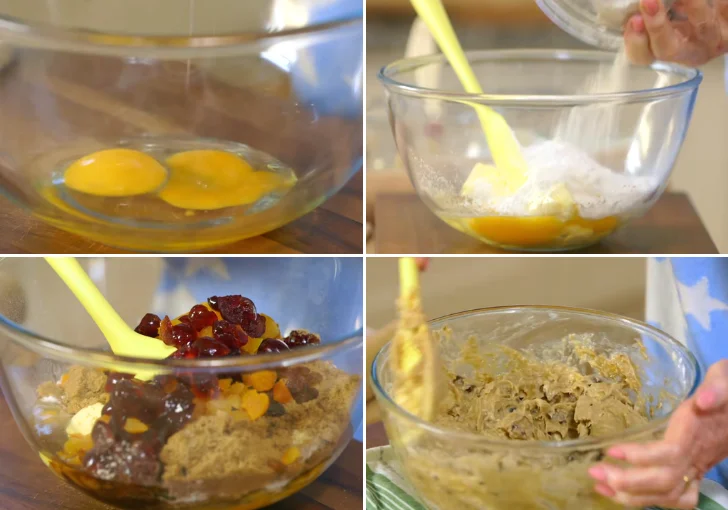
Place the three eggs, softened butter, self-raising flour, light muscovado sugar, mixed spice, prepared dried fruit, ground almonds and milk into a large mixing bowl. The butter should be very soft before mixing, as this helps the ingredients combine evenly and produces a consistent cake texture.
Mix everything together with a wooden spoon or an electric mixer on a low speed until the ingredients are thoroughly combined. Avoid excessive mixing or a high mixer speed, as this can break up the cherries and other fruit.
Step 04 – Divide and Roll Out the Marzipan
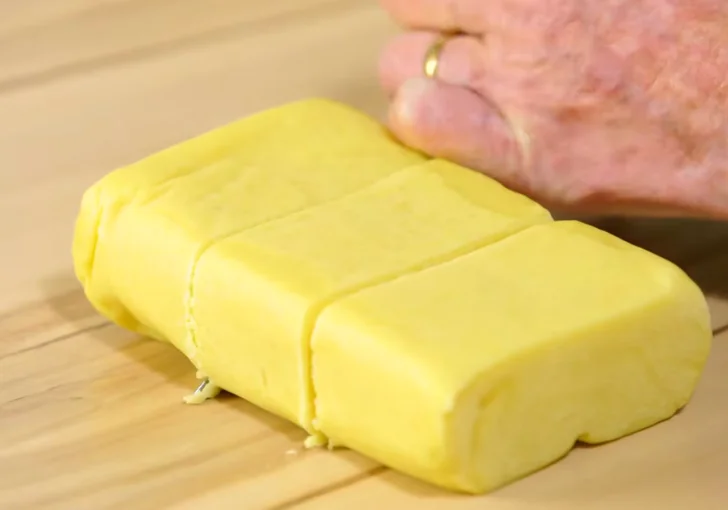
Take the 450 g block of golden marzipan and divide it into three equal portions, approximately 150 g each. Set aside one portion for the middle layer, another for the top of the cake and the remaining portion for the decorative balls and optional marzipan nest.
Lightly dust a clean work surface with icing sugar if needed, then roll out the first portion into a circle that fits the base of the prepared cake tin. Use the tin as a guide and trim away any excess marzipan with a sharp knife.
Step 05 – Add the First Marzipan Layer
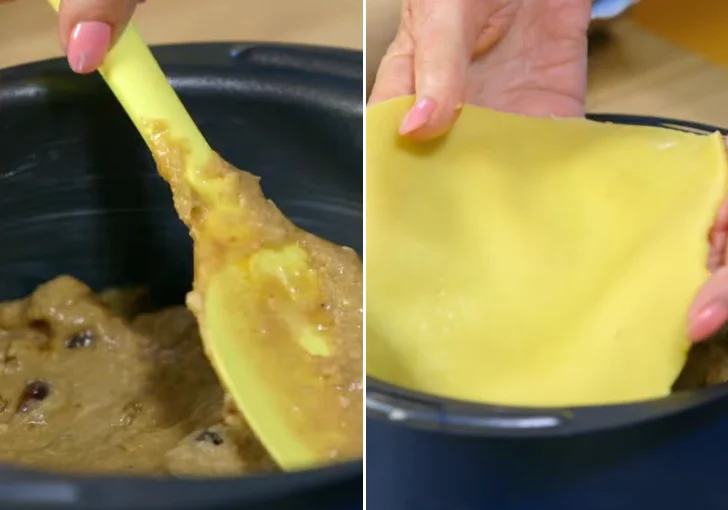
Spoon approximately half of the cake mixture into the lined tin and spread it evenly across the base. Carefully place the rolled marzipan disc on top of the mixture, adjusting it gently so it covers the surface without leaving large gaps. This internal layer of marzipan melts slightly during baking, creating a moist, almond-rich centre that is characteristic of a traditional Simnel cake.
Step 06 – Add the Remaining Cake Mixture
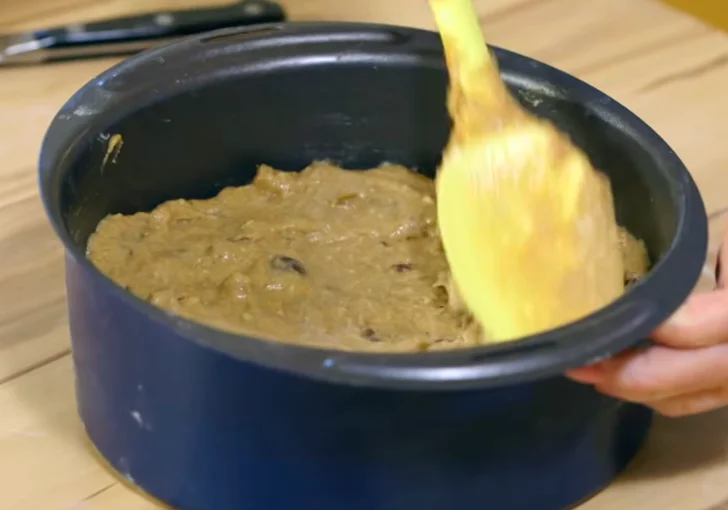
Spoon the remaining cake mixture over the marzipan disc. Spread it carefully towards the edges of the tin, making sure the marzipan is completely covered. Smooth the surface with the back of a spoon or a spatula so the cake bakes as evenly as possible. Avoid pressing down too firmly, as the mixture should remain light enough to rise during baking.
Step 07 – Bake the Simnel Cake
Place the tin on the middle shelf of the preheated oven and bake for approximately 2 hours at 140°C conventional, 120°C fan or Gas Mark 1. Keep the oven door closed during the early stages of baking to avoid interrupting the cake’s rise. Near the end of the baking time, insert a skewer into the centre of the cake, avoiding the marzipan layer where possible.
The skewer should come out without wet cake batter attached. If the centre remains underbaked, continue cooking and check again at intervals of 10–15 minutes.
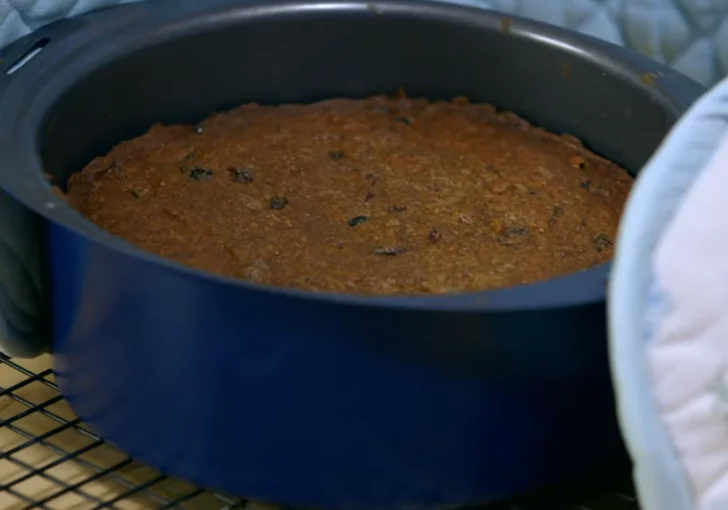
Step 08 – Cool the Cake in the Tin
Remove the baked cake from the oven and leave it to cool in the tin for 15 minutes. This short resting period allows the cake to firm up, making it easier to remove without breaking.
Carefully lift the cake out of the tin and peel away the baking parchment. Transfer it to a wire rack and allow it to cool completely before adding the marzipan topping.
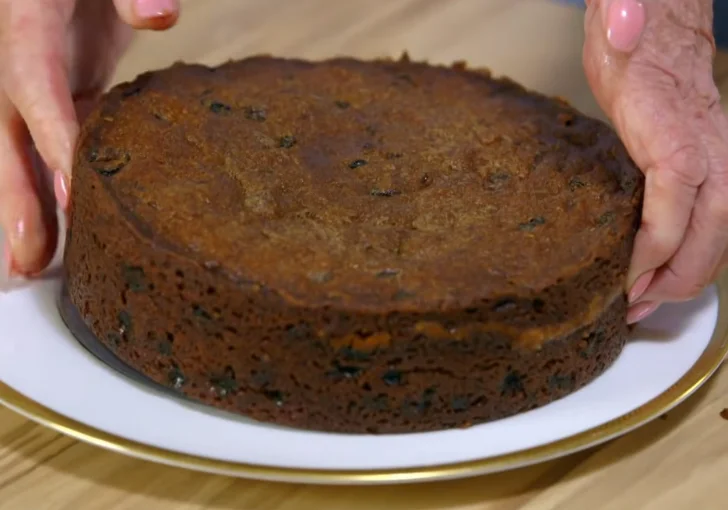
Step 09 – Roll Out the Top Marzipan Disc
Take the reserved portion of marzipan intended for the topping and roll it out on a clean work surface into a circle approximately the same diameter as the cake. Use the cooled cake as a guide to check the size.
Trim the edges neatly if necessary, keeping the disc large enough to cover the entire top surface. Set the disc aside while preparing the remaining marzipan decoration.
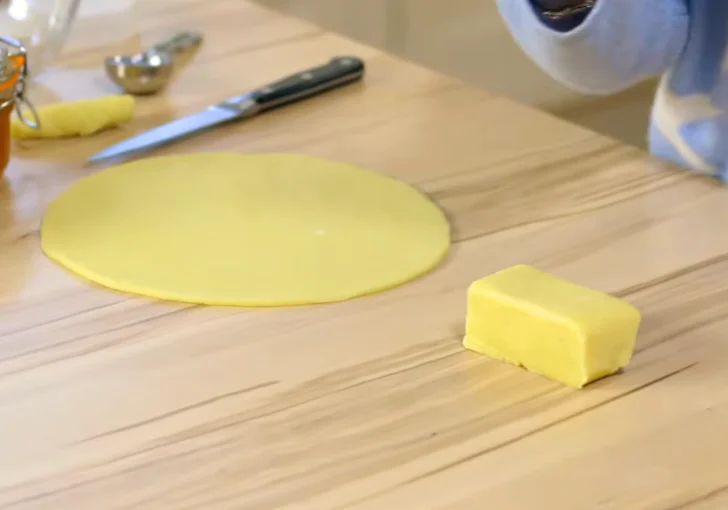
Step 10 – Shape the Eleven Marzipan Balls
Divide the remaining marzipan into 11 small, equal portions. Roll each portion between your palms until it forms a smooth, round ball. These 11 balls traditionally represent the 12 apostles, excluding Judas Iscariot. Arrange the balls on a plate until the cake is ready for decoration, taking care not to flatten them.

Step 11 – Brush the Cake with Warm Apricot Jam
Place the completely cooled cake on a serving plate or cake board. Warm 2–3 tablespoons of apricot jam in a small saucepan or microwave-safe bowl until it becomes runny enough to spread easily. If the jam contains large pieces of fruit, pass it through a sieve for a smoother finish. Brush a thin, even layer over the top of the cake. The jam acts as an adhesive, helping the marzipan topping stick securely to the surface.
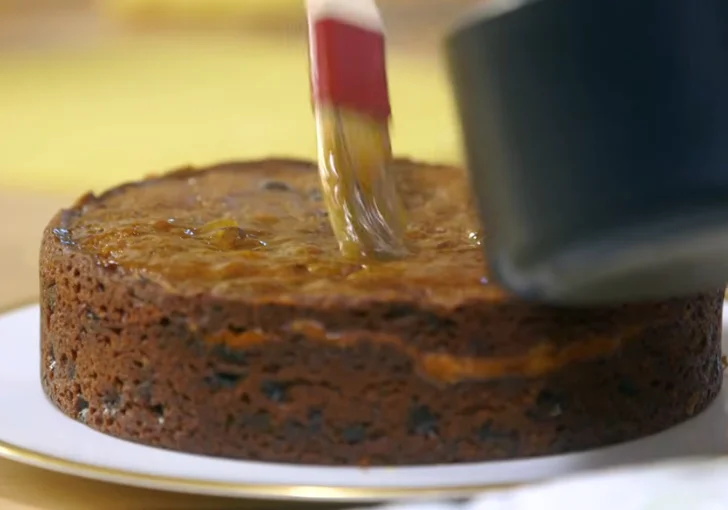
Step 12 – Cover the Cake with Marzipan
Carefully lift the rolled marzipan disc and position it over the jam-covered cake. Lower it gently, starting from one side and working across the surface to avoid trapping air underneath. Smooth the marzipan with your hands, then trim any excess around the edges if necessary.
Leave a slight overhang if you prefer a traditional finish, then pinch and flute the edges all the way around to create a decorative border.
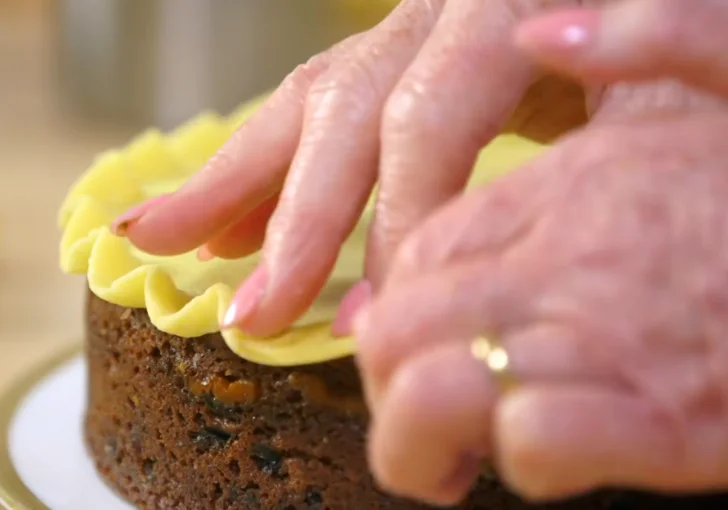
Step 13 – Brush with Beaten Egg
Beat one egg in a small bowl until the yolk and white are fully combined. Using a pastry brush, lightly coat the marzipan topping with the beaten egg. This creates a glaze that helps the surface turn golden brown when toasted. Avoid allowing excess egg to pool around the edges, as this can leave uneven patches during browning.
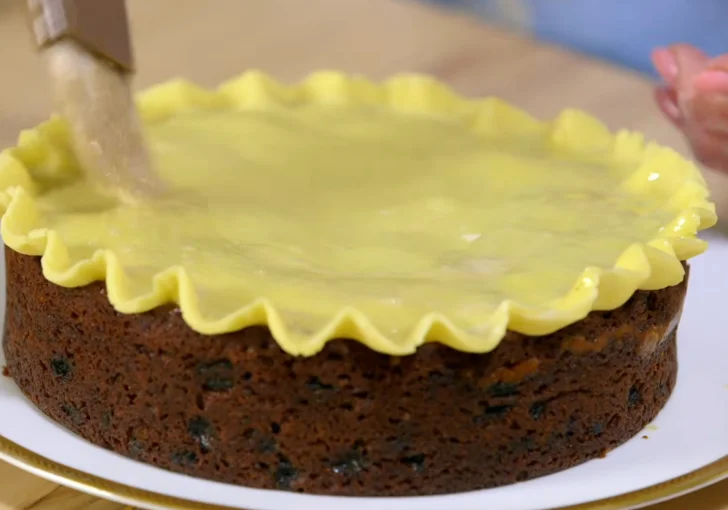
Step 14 – Arrange the Marzipan Balls
Position the 11 marzipan balls evenly around the outer edge of the cake, spacing them at regular intervals. Press each ball gently into the egg-glazed marzipan so it stays in place. Check the arrangement from above to ensure the spacing looks balanced and the balls are securely attached before browning the topping.
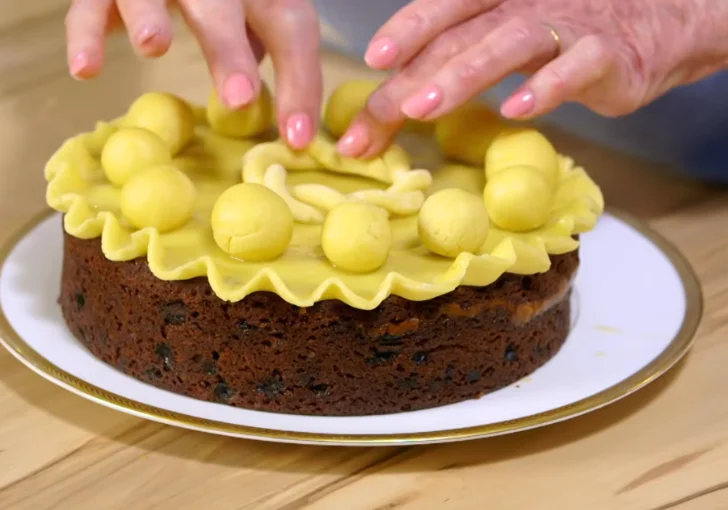
Step 15 – Add an Optional Marzipan Nest
For an additional Easter decoration, use any leftover marzipan to create a small nest. Roll the marzipan into thin strands and arrange them in overlapping circles to form a nest shape. Place it in the centre of the cake if desired. This is an optional decorative touch and can be omitted if the cake is already sufficiently decorated.
Step 16 – Brown the Marzipan Topping
Use a kitchen blowtorch to brown the marzipan lightly, moving the flame continuously across the surface rather than holding it in one place. Aim for a lightly toasted, speckled golden-brown finish, including the tops of the 11 balls. Keep the flame away from the cake board, parchment and any flammable materials, and follow the torch manufacturer’s safety instructions.
If you do not have a blowtorch, place the cake briefly under a preheated grill, watching it constantly and rotating it if needed for even browning. Marzipan can burn quickly, so remove the cake as soon as the desired colour develops.
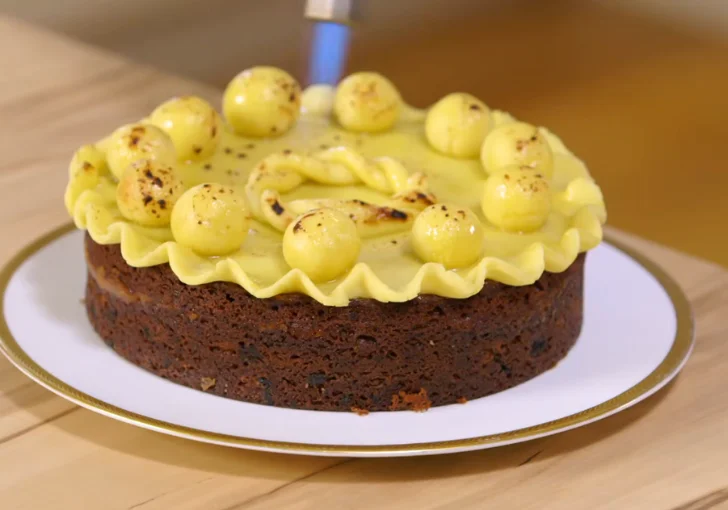
Step 17 – Finish and Serve the Cake
Allow the toasted marzipan to cool and set before serving. Check that the decorative balls remain in place, and tidy the edges if necessary. Slice the cake with a sharp knife, wiping the blade between cuts for neat slices through the fruit and marzipan layers.
Serve with a cup of tea as part of an Easter celebration, or wrap the cake carefully for gifting once it has cooled completely.
How to Tell When the Mary Berry Simnel Cake is Done
A dense fruit cake can look finished long before the middle is cooked. Start with the skewer.
Push it into the centre, a little to the side of the marzipan layer. It should come out clean, apart from a smear of melted marzipan, which is fine. Wet, sticky batter means it needs longer.
Next, press the top lightly. A done cake feels firm and springs back. The colour should be a deep golden brown, with the edges just starting to pull from the tin.
If the top browns too fast, cover it loosely with foil and keep baking. Check again every 10 to 15 minutes.
Tips & Notes for a Moist Mary Berry Simnel Cake with Perfect Marzipan Layers
- Weigh each marzipan portion on your kitchen scales, so the layers come out the same thickness.
- Keep the marzipan you are not using wrapped in cling film. It dries out quickly.
- Roll the marzipan between two sheets of baking parchment if it sticks to the worktop.
- Bake the cake a few days early. The flavour gets deeper and the slices cut cleaner.
- Take your eggs out of the fridge an hour before you start, so the mix does not curdle.
- If a ball keeps rolling off, dab a little jam underneath as glue.
- Dip your thumb and finger in icing sugar when you flute the edge. It stops them sticking.
Mistakes to Avoid While Making This Mary Berry Simnel Cake for the First Time
- Using cold butter: Let it soften first so it mixes easily with the other ingredients.
- Leaving wet cherries in the mixture: Rinse and dry them well to avoid adding extra syrup.
- Making uneven marzipan layers: Use the cake tin as a guide when rolling the discs.
- Taking the cake out too early: Check the centre with a clean skewer before removing it from the oven.
- Decorating while warm: Wait until the cake is completely cool so the marzipan stays firm.
- Burning the topping: Keep the blowtorch moving or watch the cake closely under the grill.
Mary Berry Simnel Cake Variations You Can Try
Orange Simnel Cake: Add a little finely grated orange zest to the cake mixture. It gives the fruit a fresh citrus note that works well with the almonds.
Extra-Spiced Simnel Cake: Add a small pinch of cinnamon or nutmeg alongside the mixed spice. Keep the extra amount modest so it does not cover the fruit flavour.
Raisin Simnel Cake: Replace the sultanas with the same weight of raisins. The result has a slightly deeper fruit taste and still suits the marzipan layers.
Lemon and Apricot Simnel Cake: Add a little grated lemon zest and keep the dried apricots in the mixture. The sharp citrus note helps balance the sweetness.
Simple Simnel Cake: Leave out the optional marzipan nest and keep only the eleven balls. It gives you the traditional look without extra decorating work.
Serving Ideas for Mary Berry Simnel Cake
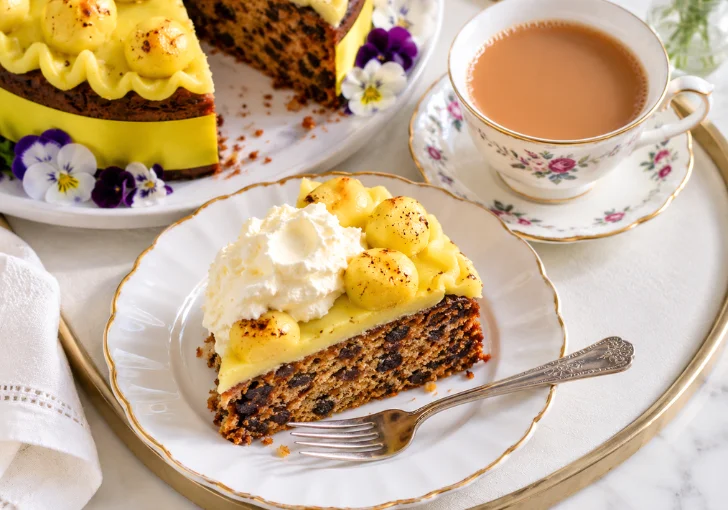
A slice of Mary Berry Simnel Cake is lovely with a fresh pot of English breakfast tea. The warm spice, sweet fruit and almond topping provide plenty of flavour on their own, so there is no need for a rich sauce or heavy topping.
For an afternoon treat, serve it with a little whipped cream or a spoonful of thick yoghurt. Coffee works well too, especially if you enjoy the toasted taste of the marzipan. You can also cut the cake into small squares for an Easter tea table.
If you are serving it after a large meal, thin slices are often enough. The cake is rich, and a little goes a long way.
Storage and Freezing Instructions for Simnel Cake
Storing the Cake at Room Temperature
Let the cake cool and set fully. Keep it in an airtight tin in a cool, dry spot, away from the cooker and sunny windowsills. Eat it within about five days for the best taste. Check your marzipan packet for any storage advice too.
Freezing Simnel Cake
The cake freezes well. Wrap it tightly in baking parchment, then in foil, and pop it in a freezer bag. You can freeze whole or in slices. I freeze slices when I want a treat later. It keeps for up to three months.
How to Thaw and Serve It
Leave the wrapped cake in the fridge overnight. Then bring it out and let it sit at room temperature for a couple of hours before you unwrap it. Do not refreeze it once thawed. Eat it within a few days.
Mary Berry Simnel Cake Recipe FAQs
What Is a Simnel Cake?
A Simnel cake is a traditional British fruit cake linked with Easter and, in some areas, Mothering Sunday. It contains dried fruit, warm spices and ground almonds, with a layer of marzipan in the middle and another on top. Eleven marzipan balls traditionally decorate the cake.
Can I Make Mary Berry Simnel Cake Without Marzipan in the Middle?
You can leave out the middle layer, but the cake will be different from a traditional Simnel cake. The marzipan adds a sweet almond centre and helps set this cake apart from an ordinary fruit cake. If you prefer less sweetness, use a thinner layer rather than removing it completely.
Why Is My Simnel Cake Still Wet in the Middle?
The cake may need more time in the oven. Fruit cakes are dense, and the outside can look cooked before the centre is ready. Check with a clean skewer, avoiding the marzipan layer. If wet batter sticks to it, bake for another 10–15 minutes and test again.
Can I Use Ready-Rolled Marzipan for Simnel Cake?
Yes, ready-to-roll golden marzipan is a convenient choice. Check that you have enough for the middle layer, top disc and eleven balls. If it comes in a different pack size, weigh out the 450 g required by this recipe. Dust your work surface lightly with icing sugar if it sticks.
Do I Have to Use Apricot Jam on the Cake?
Apricot jam is used to help the top marzipan stick to the cake. Its mild fruit taste also works well with the dried fruit inside. If you do not have apricot jam, a smooth jam with a similar consistency may work, although it will change the flavour slightly.
How Do I Brown Marzipan Without a Blowtorch?
Use a preheated grill and place the decorated cake underneath for a short time. Stay beside the oven and watch the topping closely, as marzipan can burn very quickly. Turn the cake if needed to help it brown evenly. Remove it as soon as the surface becomes lightly golden.
Why Does Simnel Cake Have Eleven Balls Instead of Twelve?
The eleven balls traditionally represent the eleven faithful apostles, excluding Judas Iscariot. This Christian symbolism is linked to the cake’s long association with Easter. Bakers usually arrange the balls around the edge of the cake, giving it its familiar appearance without adding much extra work.
Can I Use Raisins Instead of Sultanas?
Yes, you can replace the 100 g of sultanas with 100 g of raisins. Raisins tend to have a deeper flavour and may be slightly larger, so chop any especially large ones before adding them. Keep the total amount of dried fruit the same to maintain the balance of the mixture.
How Long Does Homemade Simnel Cake Last?
For the best taste, aim to eat the cake within about 5–7 days when stored in an airtight container in a cool, dry place. Keep it away from heat and moisture, and check it before serving. If your kitchen is warm, use suitable food-storage guidance rather than leaving it out for too long.
Can I Freeze Mary Berry Simnel Cake?
Yes, you can freeze it whole or in slices. It is often easiest to freeze the cake before adding the marzipan topping. Wrap it tightly, place it in a freezer-safe container and label it with the date. For good quality, aim to use it within about 3 months, then thaw it fully before decorating or serving.
Why Has My Marzipan Topping Gone Sticky?
Marzipan can become sticky if it is handled in a warm kitchen or placed on a cake that has not cooled fully. Moisture can also affect its surface. Let the cake cool completely before decorating, keep the marzipan covered while you work and use only a light dusting of icing sugar if needed.
Can I Make Simnel Cake Without Glacé Cherries?
Yes. Replace the 100 g of glacé cherries with the same weight of sultanas or chopped dried apricots. The cake will lose the colourful cherry pieces, but the fruit mixture will still work. Keep the total fruit weight the same so the cake does not become too dry or too heavy.

Mary Berry Simnel Cake Recipe (classic holiday celebration dessert)
This Mary Berry Simnel Cake Recipe brings together rich fruit, warm spices, and sweet marzipan in a classic Easter bake. With sultanas, dried apricots, glacé cherries, and a soft almond layer, every slice has plenty of flavor. The simple method takes about 30 minutes to prepare, with a slow bake for the best texture. Serve your homemade Simnel cake with a cup of tea or coffee for a lovely afternoon treat.
Ingredients
For the fruit cake
- 3 large eggs
- 175 g soft butter, softened at room temperature
- 175 g self-raising flour
- 175 g light muscovado sugar
- 2 teaspoons mixed spice
- 100 g sultanas
- 100 g dried apricots, chopped into small pieces
- 100 g glacé cherries, quartered and washed
- 50 g ground almonds
- 3 tablespoons milk
For the marzipan layers and decoration
- 450 g golden marzipan
- 2–3 tablespoons apricot jam, warmed
- 1 egg, beaten, for glazing
Instructions
- Prepare the Oven and Cake Tin: Preheat the oven to 140°C conventional, 120°C fan or Gas Mark 1. Grease a deep, round 20 cm cake tin and line the base and sides with baking parchment.
- Prepare the Dried Fruit: Quarter the glacé cherries, rinse them thoroughly and pat them dry with kitchen paper. Chop the dried apricots into small pieces and set aside with the sultanas.
- Combine the Cake Ingredients: Place the eggs, softened butter, self-raising flour, light muscovado sugar, mixed spice, prepared dried fruit, ground almonds and milk in a large mixing bowl. Mix with a wooden spoon or an electric mixer on low speed until everything is evenly combined.
- Divide and Roll Out the Marzipan: Divide the 450 g block of golden marzipan into three equal portions of approximately 150 g each. Roll out the first portion into a circle the same size as the base of the prepared cake tin, trimming the edges as needed.
- Add the First Marzipan Layer: Spoon half of the cake mixture into the lined tin and spread it evenly. Place the marzipan disc on top, covering the surface.
- Add the Remaining Cake Mixture: Spoon the remaining cake mixture over the marzipan layer and spread it evenly to cover the disc completely. Level the surface with a spatula.
- Bake the Simnel Cake: Place the tin on the middle shelf of the preheated oven and bake for approximately 2 hours. Check the centre with a skewer towards the end of the baking time and continue baking if wet cake batter remains.
- Cool the Cake in the Tin: Remove the cake from the oven and leave it in the tin for 15 minutes. Carefully remove it from the tin, peel away the baking parchment and transfer it to a wire rack to cool completely.
- Roll Out the Top Marzipan Disc: Roll out the second portion of marzipan into a circle large enough to cover the top of the cooled cake. Trim the edges if necessary.
- Shape the Eleven Marzipan Balls: Divide the remaining marzipan into 11 equal portions and roll each portion between your palms to form a smooth ball.
- Brush the Cake with Warm Apricot Jam: Warm 2–3 tablespoons of apricot jam until runny, then brush a thin, even layer over the top of the cooled cake.
- Cover the Cake with Marzipan: Place the rolled marzipan disc over the jam-covered cake and smooth it gently across the surface. Trim any excess and pinch the edges to create a decorative border.
- Brush with Beaten Egg: Beat one egg in a small bowl and brush a thin layer over the marzipan topping.
- Arrange the Marzipan Balls: Arrange the 11 marzipan balls evenly around the edge of the cake, pressing each one gently into the topping to secure it.
- Add an Optional Marzipan Nest: Roll any leftover marzipan into thin strands and arrange them in overlapping circles to create a small nest in the centre of the cake.
- Brown the Marzipan Topping: Use a kitchen blowtorch to brown the marzipan lightly, moving the flame continuously across the surface. Alternatively, place the cake briefly under a preheated grill, watching closely until the topping turns golden brown.
- Finish and Serve the Cake: Allow the marzipan topping to cool and set before slicing. Serve the cake with tea or coffee, or wrap it carefully once completely cool for gifting.
Nutrition Information:
Serving Size:
12 slicesAmount Per Serving: Calories: 430
This Mary Berry Simnel Cake Recipe is a lovely way to bring a little British Easter tradition into your kitchen. The fruit cake is rich, the marzipan adds a sweet almond taste, and the eleven balls give it a finish that has meaning as well as charm.
Take your time with the slow bake, let the cake cool fully and keep a close eye on the topping as it browns.