Mary Berry Victoria Sponge Cake Recipe
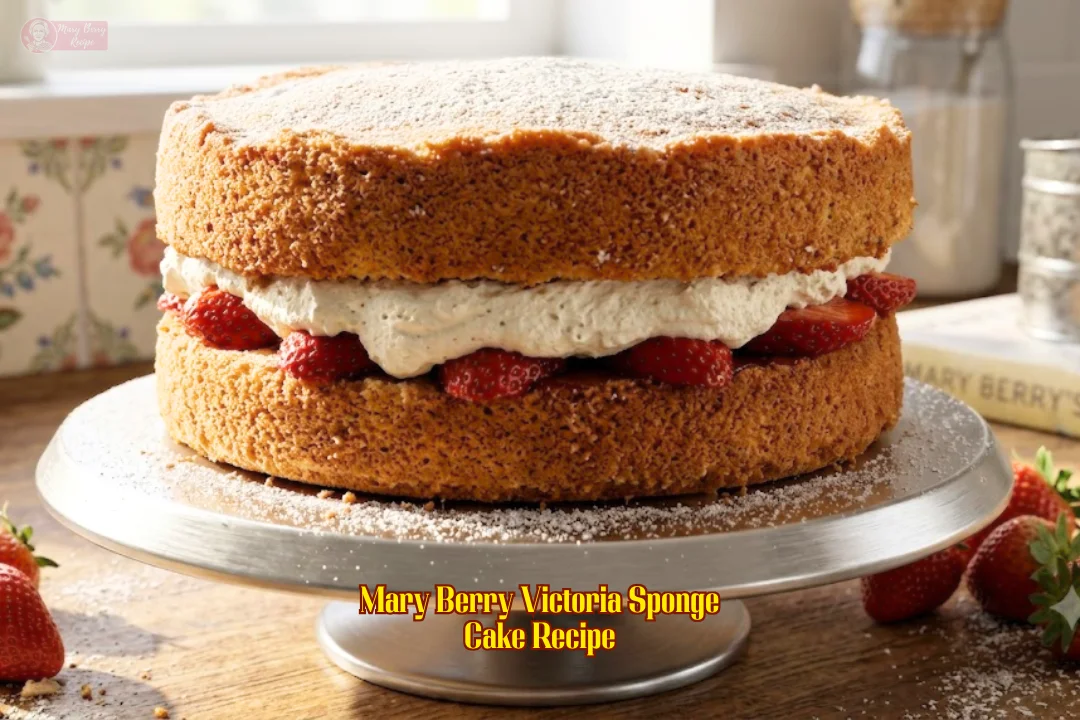
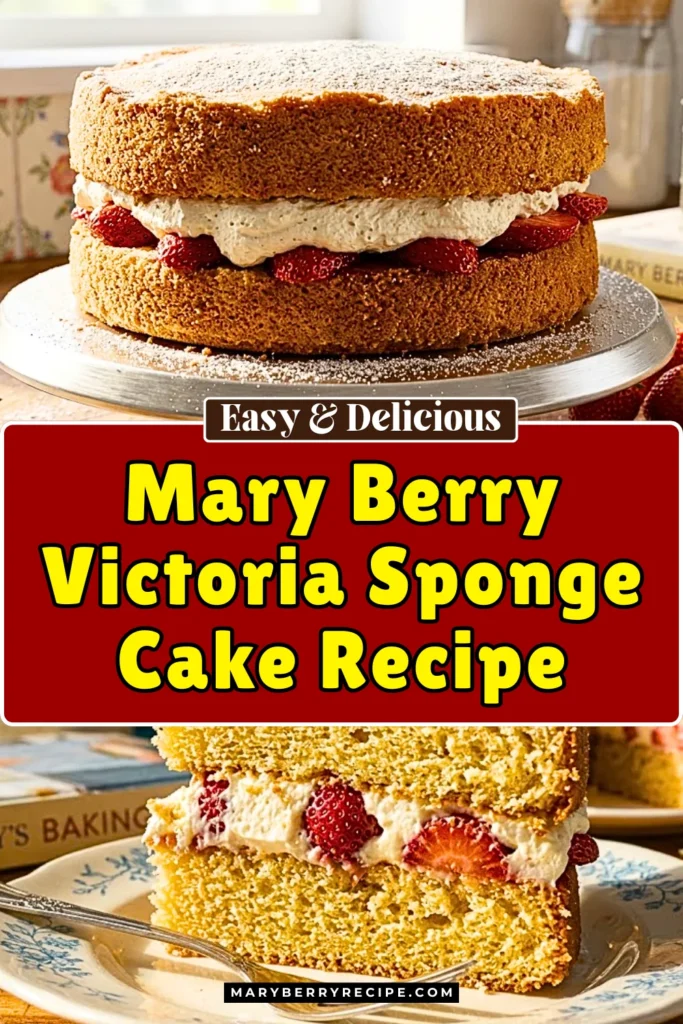
This Mary Berry Victoria Sponge Cake Recipe is one of those classic bakes that I always come back to. It has a soft sponge, sweet strawberry jam, and a smooth cream filling that makes every slice feel special.
This famous British cake has been enjoyed for many years and is often linked to traditional afternoon tea.
The Victoria sponge first became popular during the Victorian era and remains a favourite across the UK today. I love this mary berry recipe for victoria sponge cake because it is simple, reliable, and gives lovely results every time.
Today, I’ll share my exact Mary Berry Victoria sponge cake recipe that you can make at home without any hassle. The balance of butter, sugar, eggs, and flour creates a light sponge that tastes amazing with jam and cream cheese filling.
If you enjoy classic British baking, this Victoria sponge cake deserves a place in your kitchen. Gather your ingredients, switch on the oven, and let’s make a beautiful homemade sponge cake together.
What Makes This Mary Berry Victoria Sponge Cake Special
Perfect ingredient balance – The eggs are weighed first, and the same weight is used for butter, sugar, and flour.
Light sponge texture – Proper creaming creates a soft and airy cake.
Classic British flavour – Jam and vanilla bring a traditional taste.
Stable filling – Cream cheese helps the filling stay neat when sliced.
Simple ingredients – Everything can be found in most supermarkets.
Great for beginners – Easy steps make this recipe approachable.
Reliable results – I have made it many times and it always turns out well.
Mary Berry Victoria Sponge Cake is Perfect For
- Afternoon Tea – A lovely cake to serve alongside a fresh pot of tea.
- Weekend Baking – Simple to make and perfect for a relaxed afternoon in the kitchen.
- Birthday Celebrations – A classic sponge cake that suits all ages and tastes.
- School Holidays – A fun baking project that children can help with and enjoy.
- Visiting Friends – Easy to carry, slice, and share when popping round for a visit.
- Special Treats – Ideal when you fancy a homemade cake without too much fuss.
Mary Berry Victoria Sponge Cake Ingredients
For the Victoria Sponge
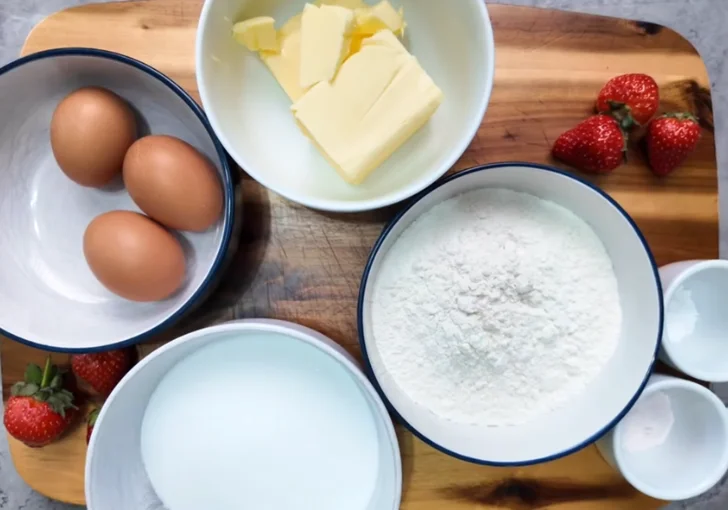
197g large eggs (about 4 eggs, weighed without shells) – Eggs are the base of this sponge and help hold everything together. I always weigh them first, as this recipe relies on matching the butter, sugar, and flour to the exact egg weight for the best result.
197g unsalted butter, softened – Softened unsalted butter gives the sponge a rich flavour and soft crumb. I usually use British brands such as Lurpak or supermarket own-brand butter. Let it soften naturally at room temperature before mixing.
197g caster sugar – Caster sugar blends quickly into the butter and helps create a lighter sponge. Its fine texture works much better than granulated sugar and gives the cake a smoother finish and even rise.
197g self-raising flour – Self-raising flour provides structure while keeping the sponge light and fluffy. I often use McDougalls or supermarket own-brand flour. It mixes easily and helps create the classic Victoria sponge texture.
1 tsp baking powder – A small amount of baking powder gives extra lift and supports an even rise. It’s especially useful if you want a lighter sponge and helps create a softer crumb throughout the cake.
1½ tsp vanilla powder – Vanilla powder adds a gentle, sweet flavour without making the batter too wet. It gives the sponge a lovely homemade taste that pairs perfectly with the strawberry jam and cream filling.
For the Filling
100ml whipping cream – Whipping cream creates a smooth and fluffy filling. Once whipped, it adds a light texture between the sponge layers and balances the sweetness of the jam nicely.
200g Philadelphia cream cheese – Philadelphia cream cheese gives the filling a richer taste and helps it stay firm when sliced. I use it because it creates a neat filling that holds its shape better than cream alone.
30g icing sugar – Icing sugar sweetens the filling without leaving any grainy texture. It blends quickly into the cream cheese mixture and gives a smooth, silky finish.
Vanilla powder or vanilla extract, to taste – A little vanilla lifts the flavour of the filling and ties everything together. Good-quality vanilla extract works well if vanilla powder is not available.
Strawberry jam, for spreading – Strawberry jam is the traditional choice for a Victoria sponge. I usually use a good-quality British jam such as Bonne Maman or Tiptree for a fruity flavour and smooth spread.
For Finishing
Icing sugar, for dusting – A simple dusting of icing sugar gives the cake its classic Victoria sponge look. It adds a touch of sweetness and makes the finished cake look clean, elegant, and ready to serve.
How To Make Mary Berry Victoria Sponge Cake
Step 1 | Weigh Your Eggs and Measure All Ingredients
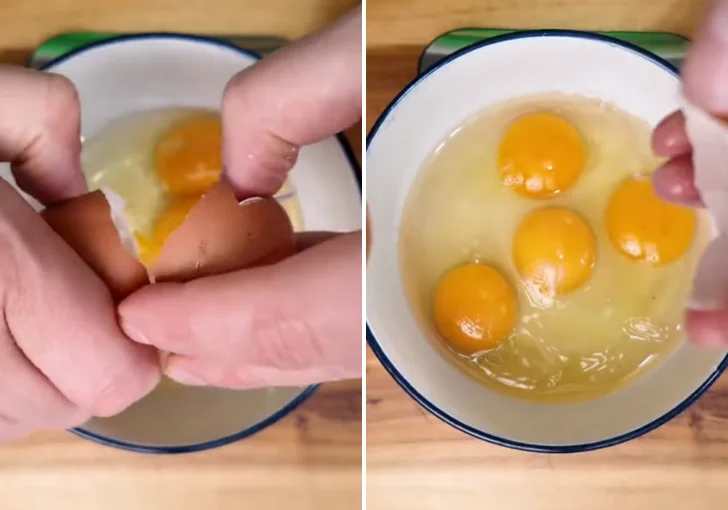
Crack your eggs into a bowl and place it on your kitchen scales. You are aiming for approximately 190-200g. Start with 3 eggs — if the weight falls short of your target, crack in a fourth egg to reach the desired weight.
Once you have your egg weight, measure out the exact same weight of softened butter, caster sugar, and self-raising flour. This equal-weight method is the key to a perfectly balanced sponge every single time.
Step 2 | Preheat Your Oven and Prepare the Cake Tins
Preheat your oven to 165°C (fan assisted).
Grease your two cake tins generously with butter, then add a small handful of flour into each tin. Tap and rotate the tin so the flour coats the entire inner surface — base and sides. Shake out any excess flour. This technique, rather than just using baking paper alone, helps you achieve smooth, crack-free edges on your sponge.
Step 3 | Cream the Butter
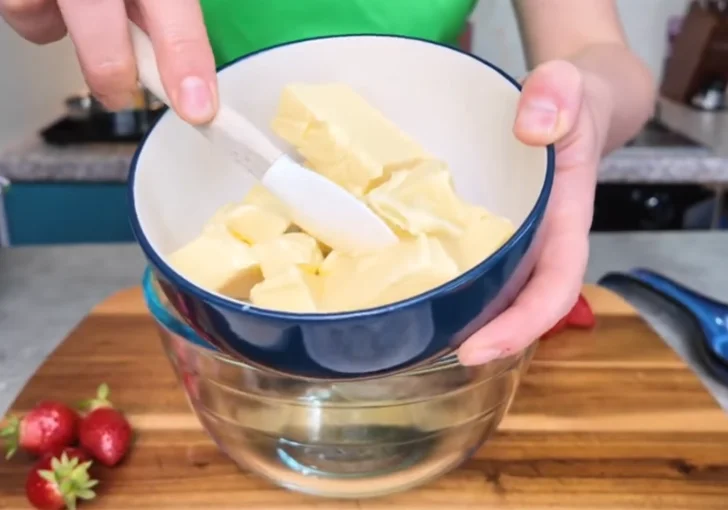
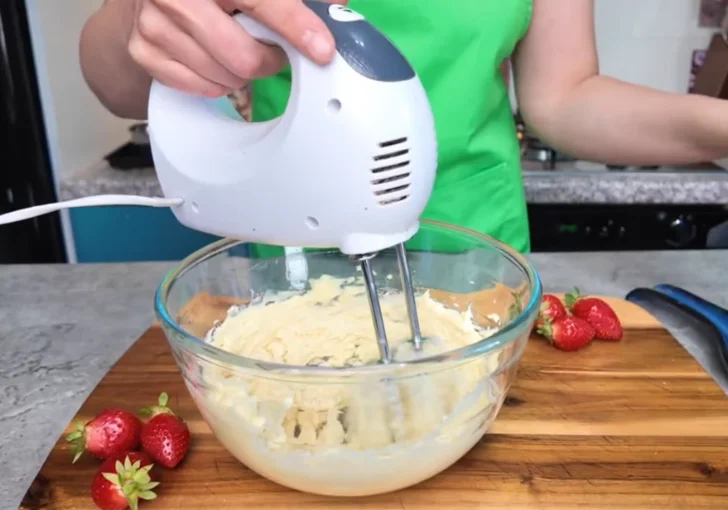
Place your softened butter into a large mixing bowl. Using your electric hand mixer or stand mixer, begin creaming the butter on its own first. Cream the butter thoroughly — the longer you cream it, the lighter and more airy your final sponge will be. Do not rush this stage.
Step 4 | Add the Sugar in Three Stages
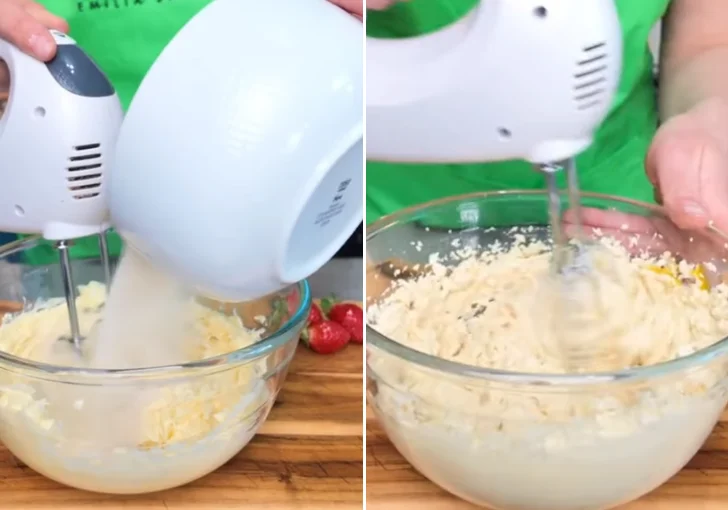
Add your caster sugar gradually in three separate additions — do not tip it all in at once.
Add one-third of the sugar, whip it into the butter until combined, then repeat with the second and third portions. This gradual method helps the sugar fully dissolve into the butter, giving you a much lighter and fluffier result. Continue beating until the mixture is pale, light, and fluffy.
Step 5 | Add the Eggs One at a Time
Add your pre-weighed eggs into the butter and sugar mixture one egg at a time. After each egg is added, mix it in thoroughly before adding the next one.
Taking your time with this step ensures each egg is fully incorporated into the batter and prevents the mixture from curdling or splitting. Continue until all eggs are added and the mixture looks smooth, pale, and creamy.
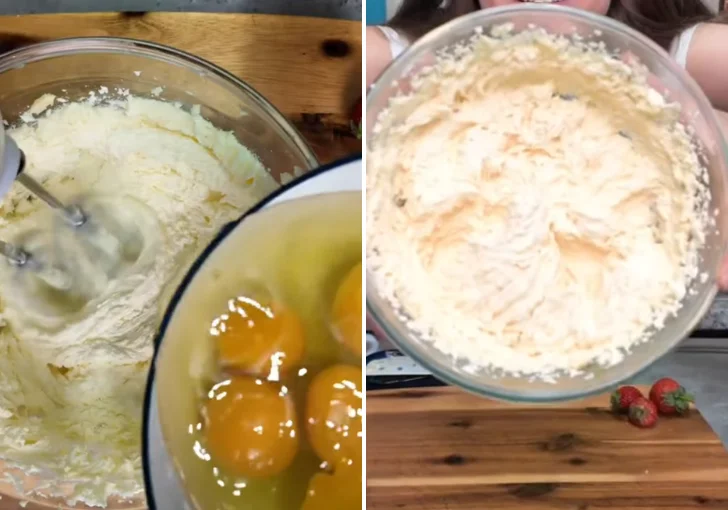
Step 6 | Add the Baking Powder and Vanilla
Add 1 teaspoon of baking powder and 1½ teaspoons of vanilla powder into your mixture at this stage. Mix briefly until just combined before moving on to the flour.
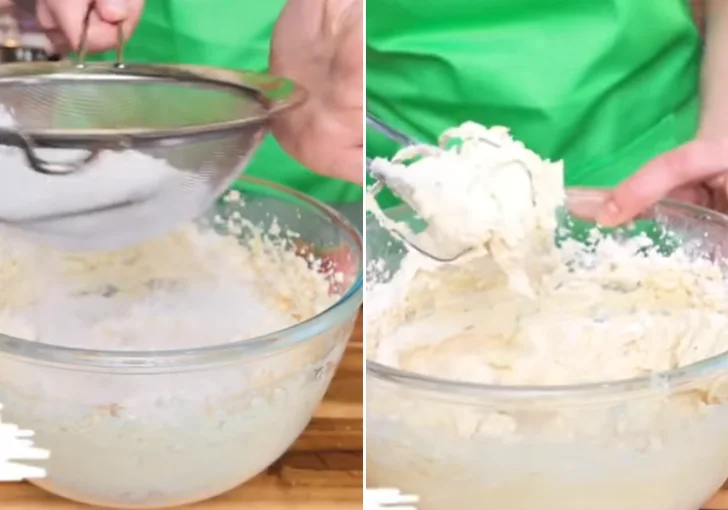
Step 7 | Fold in the Flour in Two Batches
Sift your self-raising flour and add it to the batter in two separate batches — never all at once.
Switch your mixer to a low speed at this point — do not use high speed when adding flour. Mix gently and fold the batter rather than beating it. Use a spatula to scrape down the sides of the bowl between additions to make sure everything is evenly combined.
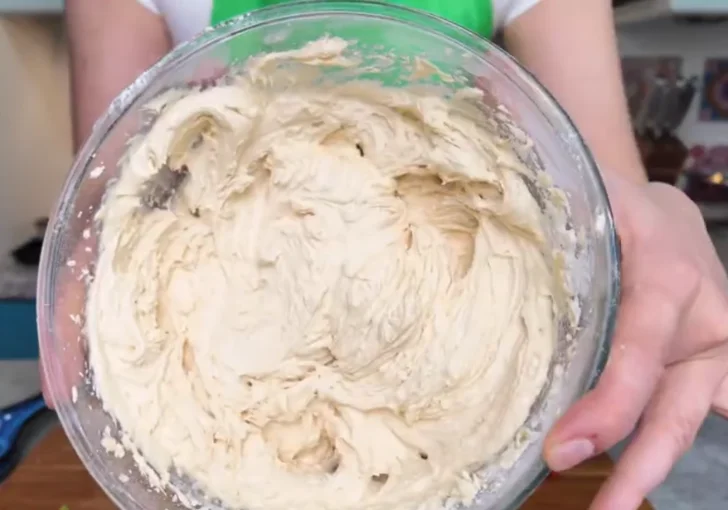
Step 8 | Divide the Batter Equally Between the Tins
Place one of your prepared cake tins on your kitchen scales and spoon in half of the batter. Note the weight, then fill the second tin with the same amount. Having equal amounts in each tin ensures both sponge layers bake evenly and are the same height.
Spread the batter level using a palette knife or the back of a spoon, but leave a small gap near the edges of the tin — do not spread it right to the rim.
Once filled, lift each tin a few centimetres and drop it firmly onto the work surface several times. This simple action helps pop any hidden air bubbles inside the batter and evens out the surface before baking.
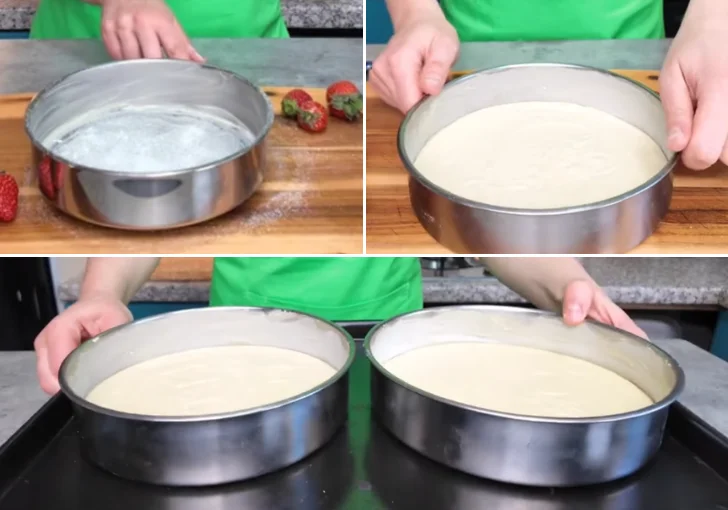
Step 9 | Bake the Sponges
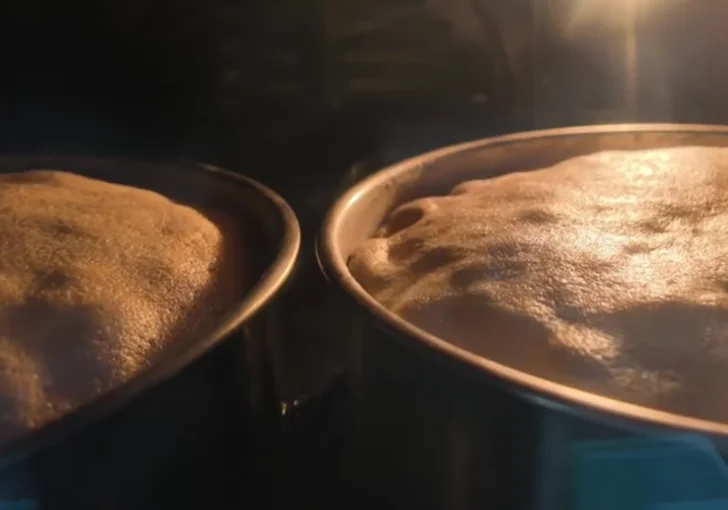
Place both tins into the preheated oven at 165°C and bake for 25 minutes.
The sponge may look slightly pale when done — this is perfectly normal at this temperature. Once you have baked this recipe once, you can adjust the temperature slightly:
- 5°C lower if you prefer a lighter-coloured sponge
- 5°C higher if you prefer a slightly darker golden finish
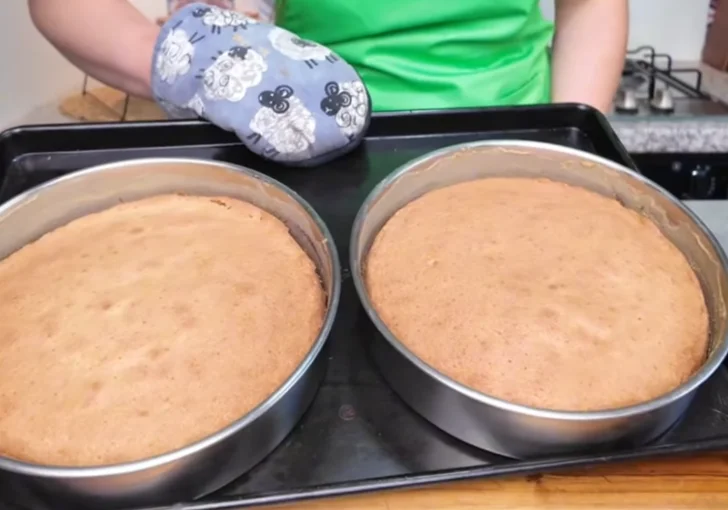
The sponge is ready when it springs back when lightly pressed in the centre with your fingertip, and a skewer inserted into the middle comes out clean.
Step 10 | Cool the Sponges
Remove the tins from the oven and allow the sponges to cool inside the tins for 10 minutes.
After 10 minutes, carefully flip each sponge out onto a wire cooling rack and leave them to cool completely before filling. This is a non-negotiable step — filling a warm sponge will cause the cream to melt and the layers to slide.
Step 11 | Make the Cream Cheese Filling
While the sponges are cooling, prepare the cream filling.
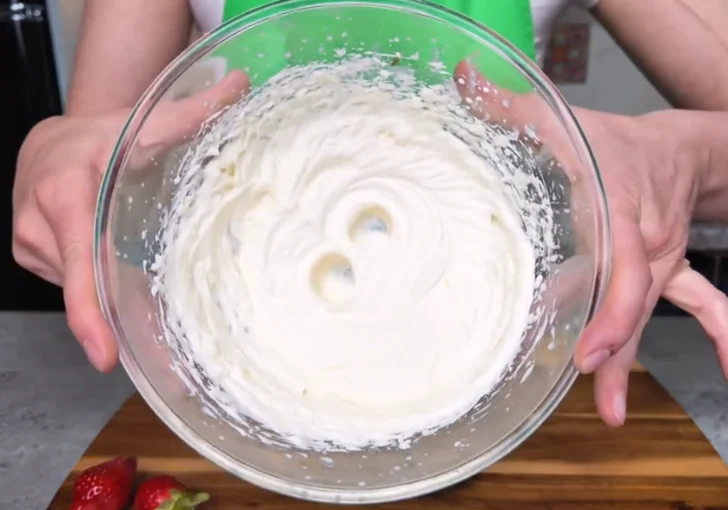
Pour 100ml of whipping cream into a mixing bowl, then add 200g of Philadelphia cream cheese, 30g of icing sugar, and vanilla extract to taste.
Whip everything together until the mixture is thick, smooth, and holds its shape well. Transfer the filling into a piping bag ready for assembly.
Step 12 | Assemble the Victoria Sponge
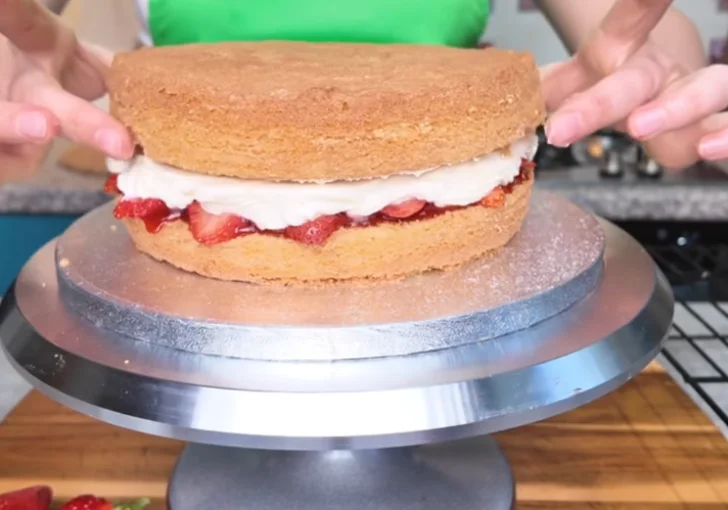
Once both sponge layers are completely cool, place the first sponge layer flat-side up on your serving plate or cake stand.
Spread a thin, even layer of strawberry jam across the entire surface of the bottom sponge right to the edges.
If you would like to add sliced fresh strawberries, layer them on top of the jam at this stage.
Next, pipe the cream cheese filling evenly over the jam layer using your piping bag. Using a piping bag rather than a spoon or spatula gives you much more control and creates a cleaner, more professional-looking finish.
Carefully place the second sponge layer on top, pressing it down very gently and evenly.
Step 13 | Finish and Serve
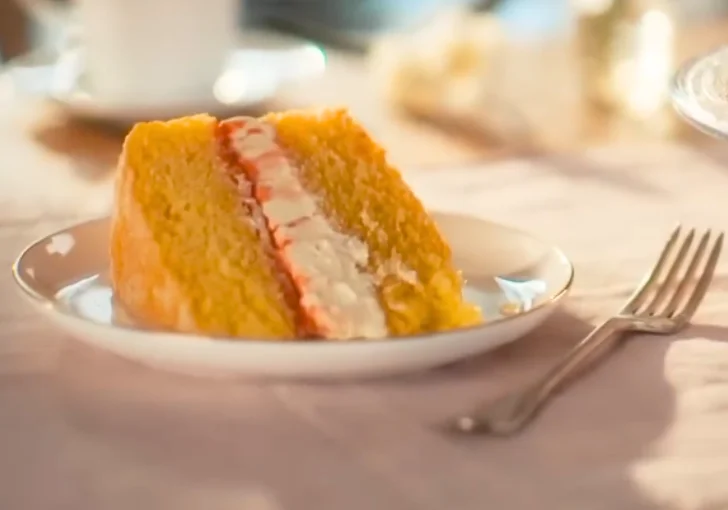
To finish, dust the top of the cake generously with icing sugar using a sieve for an even coating. This is the classic, traditional British way to finish a Victoria Sponge. Serve immediately or store as needed.
Helpful Tips for the Best Mary Berry Victoria Sponge Cake
- Always weigh the eggs first.
- Use soft butter, not melted butter.
- Beat the butter thoroughly before adding sugar.
- Mix flour gently to keep the sponge light.
- Cool the cakes completely before filling.
- Divide the batter evenly for level layers.
- Avoid opening the oven door during baking.
- Use caster sugar for the best texture.
Toppings and Decoration Ideas with This Mary Berry Victoria Sponge Cake
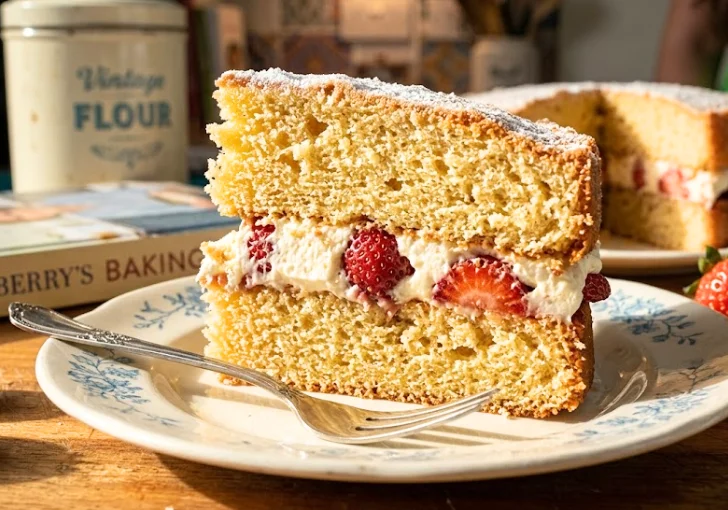
A dusting of icing sugar is the traditional choice and always looks lovely. Fresh strawberries placed around the edge add colour and flavour without making the cake look overdone.
A few raspberries can also work well. For a slightly richer finish, pipe small swirls of cream around the top.
If serving for a special occasion, add a handful of fresh berries in the centre. Keeping the decoration simple helps the sponge remain the star of the bake.
Store Leftover
Store leftover Victoria sponge in an airtight container in the fridge for up to three days because of the cream cheese filling. Bring slices to room temperature before serving for the best flavour and texture.
If possible, keep the cake covered to stop it drying out.
Mary Berry Victoria Sponge Cake Recipe FAQs
Can I make this cake a day ahead?
Yes. In fact, many people find the flavour improves slightly after a few hours. Store it in the fridge because of the filling and bring it back to room temperature before serving.
Why do I need to weigh the eggs?
This method keeps the sponge perfectly balanced. Matching the weight of the butter, sugar, and flour to the eggs helps create a consistent texture every time.
Can I freeze the sponge layers?
Yes. Freeze the plain sponge layers without filling. Wrap them well and freeze for up to three months. Thaw completely before decorating.
Can I use buttercream instead of cream cheese filling?
Absolutely. Traditional Victoria sponge is often filled with buttercream and jam. The cream cheese version simply offers a richer and more stable filling.
Why is my sponge dense?
Overmixing the batter or using cold ingredients can lead to a heavier sponge. Gentle mixing and room-temperature ingredients help produce a lighter result.
Can I use raspberry jam?
Yes. Raspberry jam is a popular alternative and works very well with the vanilla sponge.
How do I know when the cake is baked?
The sponge should be lightly golden and spring back when gently pressed in the centre.
Can I make this recipe in one tin?
You can, but baking time will need adjusting. Once baked, cool completely and slice horizontally into two layers.
What is the best way to cut neat slices?
Use a sharp serrated knife and wipe it clean between cuts. This helps keep the filling tidy.
Mary Berry Victoria Sponge Cake Recipe
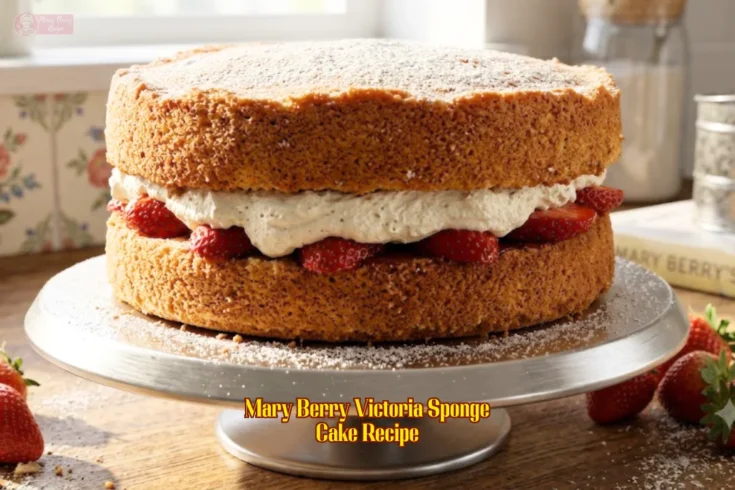
This Mary Berry Victoria Sponge Cake Recipe creates a light, fluffy sponge filled with strawberry jam and a smooth cream cheese filling. I love how simple the method is, yet the cake looks and tastes like something from a proper bakery. With easy ingredients, beginner-friendly steps, and a baking time of just 25 minutes, it's a classic British Victoria sponge cake worth making at home. The balanced sponge texture and rich filling make every slice enjoyable. Serve it with fresh berries, a cup of tea, or your favorite coffee for a lovely homemade treat.
Ingredients
For the Victoria Sponge
- 197g large eggs (approximately 4 eggs, weighed without shells)
- 197g unsalted butter, softened
- 197g caster sugar
- 197g self-raising flour*
- 1 tsp baking powder
- 1½ tsp vanilla powder
For the Filling
- 100ml whipping cream
- 200g Philadelphia cream cheese
- 30g icing sugar
- Vanilla powder or vanilla extract, to taste
- Strawberry jam, for spreading
For Finishing
- Icing sugar, for dusting
Instructions
- Weigh the Eggs: Crack the eggs into a bowl and weigh them. The golden rule for this sponge is that the weight of the eggs determines the weight of the butter, sugar and flour. If the eggs weigh 197g, use exactly 197g butter, 197g caster sugar and 197g flour. This creates a perfectly balanced sponge.
- Prepare the Butter: Ensure the butter is properly softened before mixing. For the best texture, leave the butter at room temperature until soft enough to press easily with a finger. Soft butter creams more efficiently and helps create a lighter sponge.
- Cream the Butter: Place the softened butter into a large mixing bowl. Using a hand mixer or stand mixer, beat the butter thoroughly until smooth and creamy. Continue mixing until it becomes noticeably lighter in texture. The longer and more thoroughly the butter is creamed, the lighter the finished sponge will be.
- Add the Sugar: Add the caster sugar in three additions. Add one-third of the sugar, beat until incorporated, then repeat until all the sugar has been added. Continue mixing until the mixture becomes pale and fluffy. Use caster sugar rather than granulated sugar for a finer, lighter sponge.
- Add the Eggs: Add the eggs one at a time. After each addition, beat well until fully incorporated before adding the next egg. Continue until all the eggs have been mixed in and the batter is smooth, creamy and airy.
- Add the Dry Ingredients: Mix together the flour, baking powder and vanilla powder. Add the flour mixture in two batches. Using a low mixer speed, gently mix until just combined. Scrape down the sides of the bowl between additions and avoid overmixing, as this can make the sponge heavier.
- Prepare the Cake Tins: Grease two 20cm sandwich tins thoroughly. Dust the inside generously with flour, rotating the tins to coat every surface, then shake out any excess flour. This helps produce smooth sponge edges and makes releasing the cakes easier.
- Divide the Batter: Weigh the batter and divide it equally between the two prepared tins. Spread the batter evenly, leaving a small gap around the edges. This helps the sponge rise more evenly during baking.
- Remove Air Bubbles: Lift each tin slightly and tap it gently on the work surface several times. This releases trapped air bubbles and helps create a smoother, more level sponge surface.
- Bake the Cakes: Place the tins into a preheated oven at 165°C and bake for 25 minutes. Do not open the oven door during baking. The sponges should be lightly golden and spring back when touched. For a paler sponge, reduce the temperature by about 5°C next time. For a darker sponge, increase the temperature by about 5°C.
- Cool the Sponges: Remove the cakes from the oven and leave them in their tins for 10 minutes. Carefully turn them out onto a wire rack and allow them to cool completely before filling.
- Make the Cream Cheese Filling: Place the whipping cream, Philadelphia cream cheese, icing sugar and vanilla into a bowl. Beat until thick, smooth and pipeable. The cream cheese helps stabilise the filling, making it easier to spread and helping the cake hold its shape.
- Assemble the Victoria Sponge: Place one sponge layer on a serving plate and spread a thin, even layer of strawberry jam over the top. Transfer the cream cheese filling to a piping bag and pipe an even layer over the jam for better control and a neater finish. Place the second sponge layer on top and gently press down.
- Finish and Serve: Dust the top generously with icing sugar. Slice and serve. The finished cake should have a light, tender sponge with a classic strawberry jam layer and a stable vanilla cream cheese filling. While traditional Victoria Sponge is often made with jam alone or jam and buttercream, this version uses a whipped cream cheese filling for extra stability and a richer texture.
Nutrition Information:
Serving Size:
1 slice (based on 10 slices)Amount Per Serving: Calories: 445Total Fat: 29gSaturated Fat: 17gSodium: 210mgCarbohydrates: 40gSugar: 27g
This Mary Berry Victoria Sponge Cake Recipe is a classic British bake that never goes out of style. The soft sponge, fruity jam, and creamy filling come together beautifully in every slice.
I have baked it many times and it always brings smiles around the table. If you enjoy traditional cakes with simple ingredients and dependable results, give this cake recipe a go.