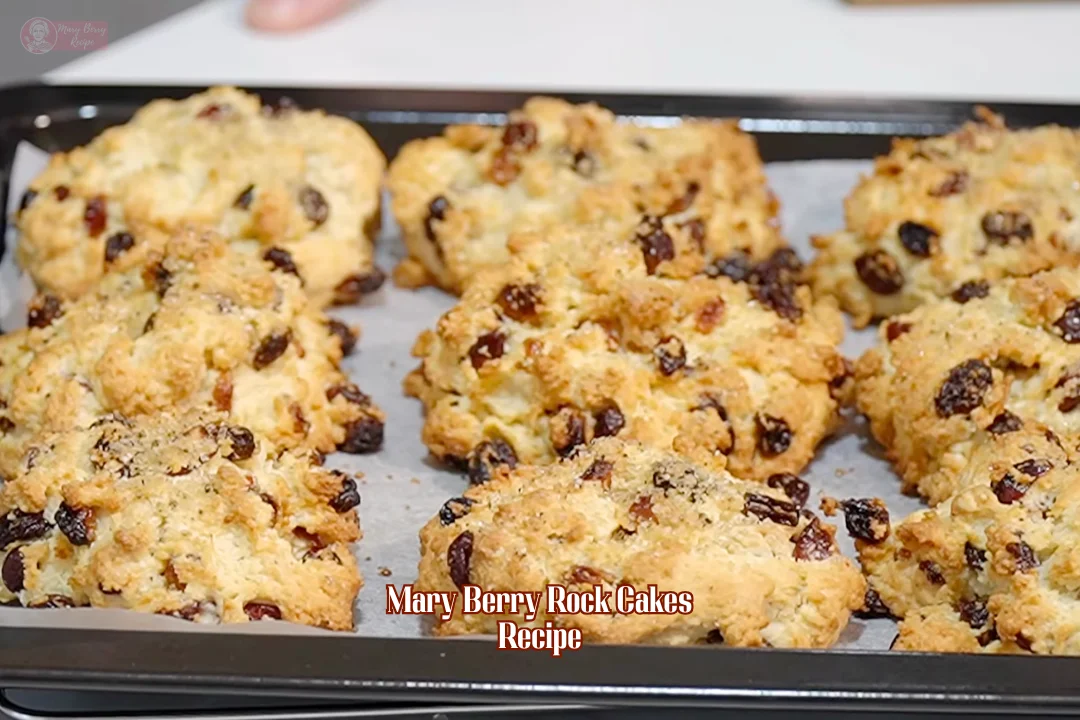
Mary Berry Rock Cakes Recipe
This Mary Berry Rock Cakes Recipe is one of the easiest bakes I make when I want something simple but full of old-fashioned flavour. I always come back to this recipe because it gives me soft, fruity rock cakes with crisp golden tops every single time.
My mom passed me this rock cakes recipe of Mary Berry which is an classic british style old fashion cookies.
Rock cakes have been enjoyed across Britain for many years. They first became popular because they used simple cupboard ingredients and were easy to bake at home.
Their rough shape gives them the name, but inside they stay light, soft, and packed with dried fruit. I like adding a few dried cranberries alongside raisins because they give a gentle sharp taste without changing the classic flavour.
If you’ve already enjoyed cheese scones or ginger biscuits, I think you’ll love these too, this Mary Berry rock cakes recipe is worth keeping. I’ll show you each step, share the little things that make a real difference, and help you bake rock cakes that you’ll want to make again.

What are Rock Cakes
Rock cakes are traditional British tea-time bakes made from a thick, crumbly dough filled with dried fruit and baked in rough spoonfuls.
After making them many times, I think their uneven shape is exactly what makes them special. The rough edges become slightly crisp while the middle stays soft and tender.
Unlike scones, rock cakes are not rolled or cut into neat rounds. I simply spoon the mixture onto the baking tray and let the oven do the work. The result is a rustic bake with plenty of texture, a lightly crunchy top, and sweet bursts of raisins in every bite.
Choosing the Best Flour and Sugar for Rock Cakes
I always get the best results by using plain flour and caster sugar. Plain flour gives the rock cakes a light crumb without making them too fluffy, while caster sugar mixes evenly through the dough and adds gentle sweetness.
For the topping, I never skip demerara sugar. It melts slightly during baking but still keeps a lovely crunch that makes each bite more enjoyable. I’ve tested ordinary granulated sugar on top, but it never gives the same crisp finish.
Mary Berry Rock Cakes is Perfect For
- A quiet afternoon tea when you fancy a homemade treat.
- Lunch boxes because they travel well and don’t fall apart.
- Weekend baking if you want something quick and rewarding.
- New bakers since there is no rolling, cutting or shaping.
- Using up dried fruit sitting in the cupboard.
- Sharing with neighbours as they stay lovely for several days.
- Cosy autumn and winter afternoons with a mug of tea or coffee.
Mary Berry Rock Cakes Ingredients
250g Plain Flour – Plain flour gives these rock cakes their classic crumbly texture without making them too light. I normally use McDougalls Plain Flour, but any good-quality supermarket own brand works just as well. There’s no need for self-raising flour here because the baking powder does the lifting.
2 tsp Baking Powder – A little baking powder gives the rock cakes enough lift while keeping the inside soft. I usually reach for Dr. Oetker Baking Powder because it’s easy to find in most UK supermarkets, but any fresh baking powder will do the same job.
¼ tsp Fine Salt – Don’t skip the salt, even though it’s only a small amount. It balances the sweetness, lifts the buttery flavour and stops the finished cakes tasting flat. Fine table salt mixes through the flour much more evenly than coarse flakes.
100g Cold Unsalted Butter, Cubed – Cold butter is one of the secrets to good rock cakes. As you rub it into the flour, it leaves tiny buttery pockets that bake into a lovely crumb. I often use Lurpak or Anchor, though supermarket butter works perfectly well too.
75g Caster Sugar – Caster sugar blends quickly into the mixture and gives just enough sweetness without taking over the fruit and spice. It melts more evenly than granulated sugar, which is why I stick with it for this recipe every time.
1 tsp Mixed Spice – Mixed spice gives rock cakes their familiar old-fashioned flavour. It’s a gentle blend of warm spices rather than anything overpowering. I usually use the Schwartz Mixed Spice jar that’s always sitting in my cupboard, and one teaspoon is plenty.
150g Mixed Dried Fruit – I like using a mixture of dark raisins, golden raisins and a small handful of dried cranberries. The raisins keep the bake traditional, while the cranberries add little bursts of sharpness that work really well without changing the classic character.
1 Large Egg – One large egg brings the mixture together and gives the crumb a softer finish. I always use a room-temperature egg because it mixes into the buttermilk more easily and keeps everything nice and smooth.
240ml Whole Milk – Whole milk gives the rock cakes a richer texture than semi-skimmed. Once it’s mixed with the vinegar, it turns into a quick homemade buttermilk that makes a noticeable difference to the finished crumb.
1 tbsp Apple Cider Vinegar – This is simply used to sour the milk and make an easy homemade buttermilk. Don’t worry, you won’t taste the vinegar once the cakes are baked. It’s a simple little trick that makes the texture softer and lighter.
1 tsp Vanilla Extract – A splash of vanilla rounds everything off nicely without making the cakes taste like vanilla cake. I use a good-quality vanilla extract rather than essence because the flavour is much cleaner and blends well with the dried fruit.
2 tbsp Demerara Sugar – I never leave off the demerara sugar. A generous sprinkle over the tops gives the rock cakes their lovely crunchy finish and a touch of extra colour. It’s one of those small details that makes homemade rock cakes feel extra special.
How To Make Mary Berry Rock Cakes
Step 01 – Prepare the Oven and Buttermilk
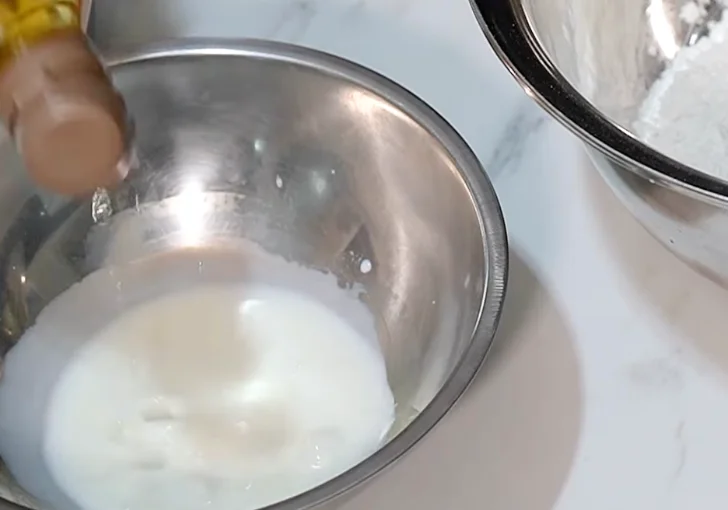
Preheat the oven to 180°C (160°C fan). Line a baking tray with baking parchment. Pour the milk into a jug and stir in the apple cider vinegar. Leave it to stand for about 5 minutes until the milk begins to curdle slightly, creating a simple homemade buttermilk.
Step 02 – Mix the Dry Ingredients
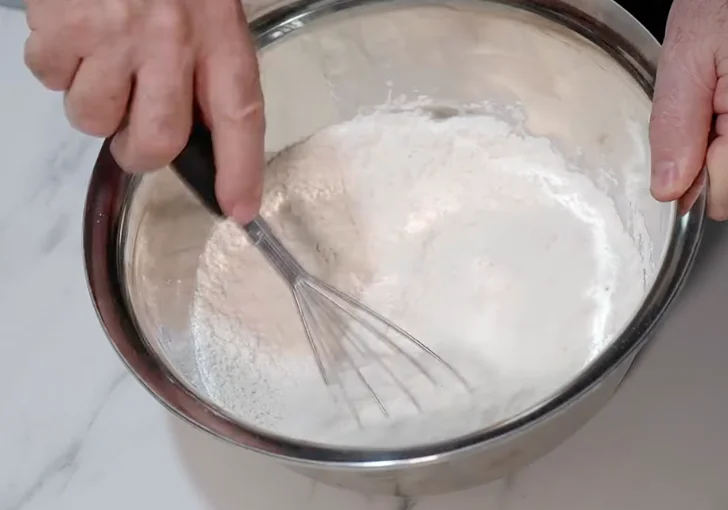
In a large mixing bowl, combine the plain flour, baking powder, and salt. Stir everything together so the raising agent and salt are evenly distributed throughout the flour.
Step 03 – Rub in the Butter
Add the cubed cold butter to the flour mixture. Using your fingertips and thumbs, gently rub the butter into the flour until the mixture resembles coarse breadcrumbs. A few slightly larger pieces of butter are perfectly fine, as they help create a light, crumbly texture.
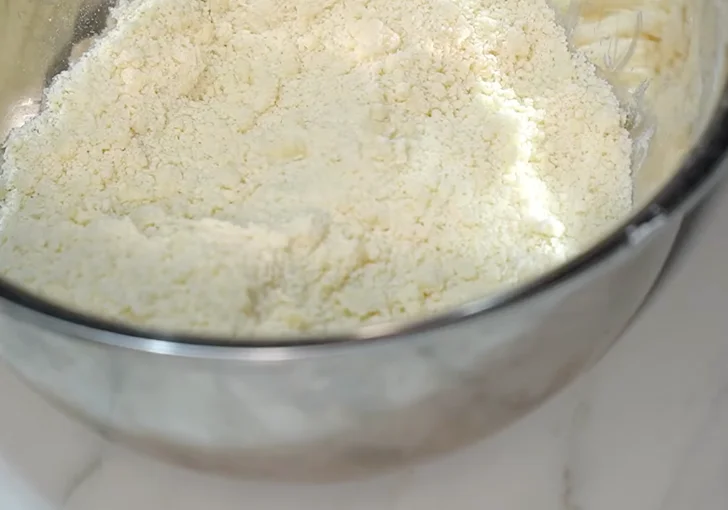
Step 04 – Add the Sugar and Spice
Stir the caster sugar and mixed spice into the breadcrumb mixture until evenly combined. This adds sweetness and the classic warm flavour associated with traditional British rock cakes.
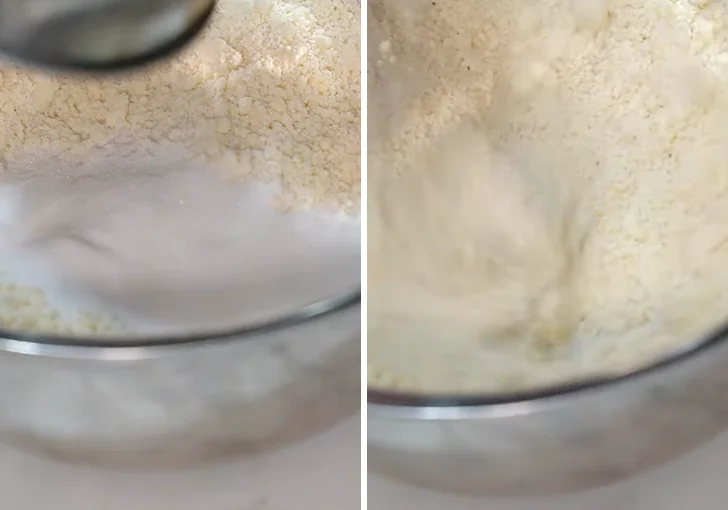
Step 05 – Prepare the Wet Mixture
Lightly beat the egg in a small bowl. Add the beaten egg to the homemade buttermilk, then stir in the vanilla extract until everything is well combined.
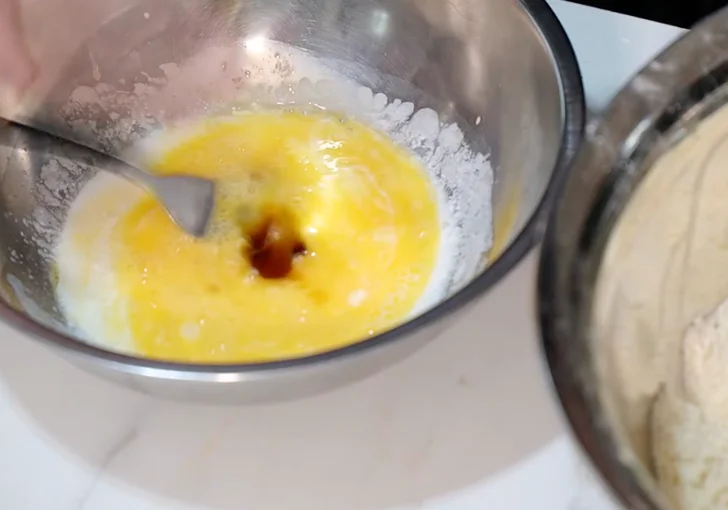
Step 06 – Add the Dried Fruit
Mix the dried fruit into the flour mixture, ensuring the raisins and cranberries are evenly coated with flour. Using a combination of dark raisins, golden raisins, and a few dried cranberries gives the rock cakes a richer flavour with a slight sharpness from the cranberries.
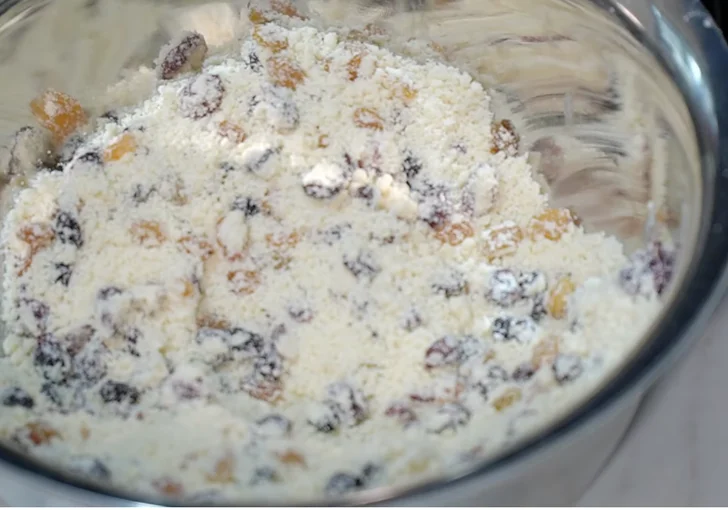
Step 07 – Make the Dough
Pour the wet mixture into the bowl with the dry ingredients. Using a fork, gently fold everything together until a rough, thick dough forms. Avoid overmixing or pressing the mixture together too firmly. The dough should remain rustic and slightly uneven.
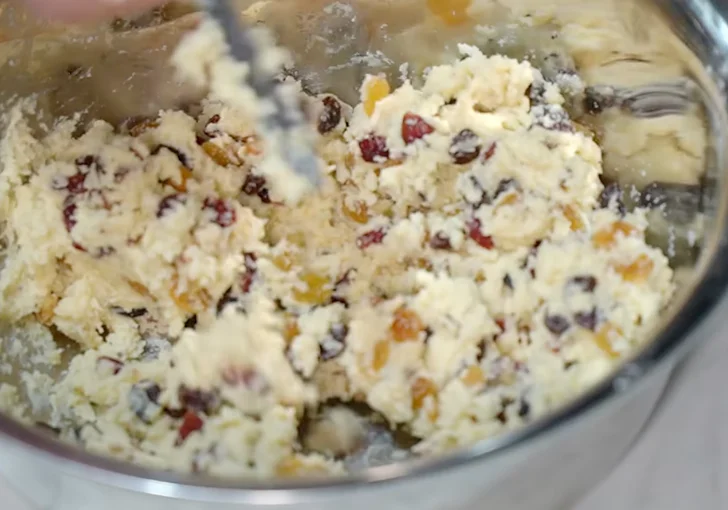
Step 08 – Shape the Rock Cakes
Using either a spoon or a fork, scoop rough portions of dough onto the prepared baking tray, leaving a little space between each one. Do not flatten or shape them neatly. Keep the rough, craggy appearance, as this gives rock cakes their traditional look and helps create crisp edges during baking.
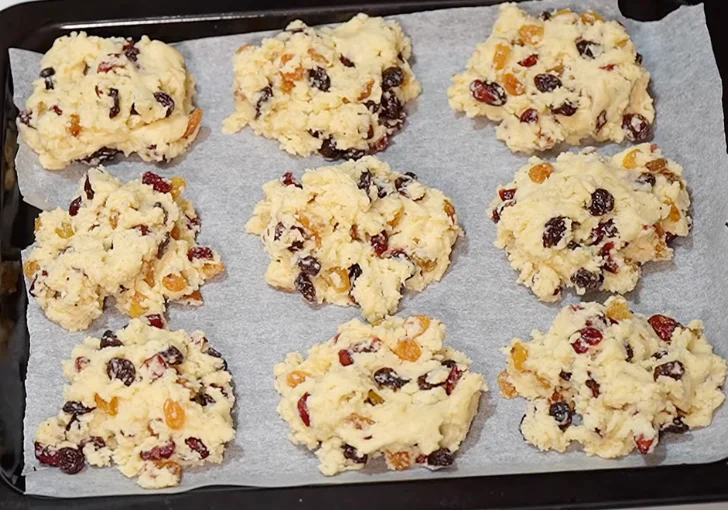
Step 09 – Add the Crunchy Topping
Sprinkle the tops generously with demerara sugar. The coarse sugar creates a light, crunchy finish once baked.
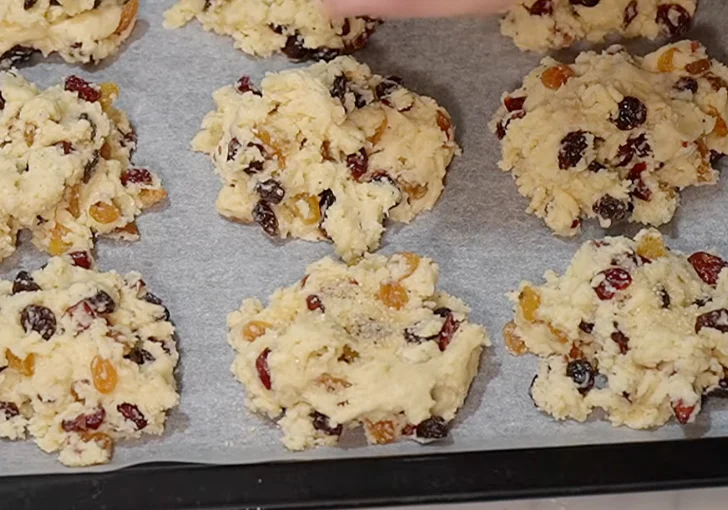
Step 10 – Bake
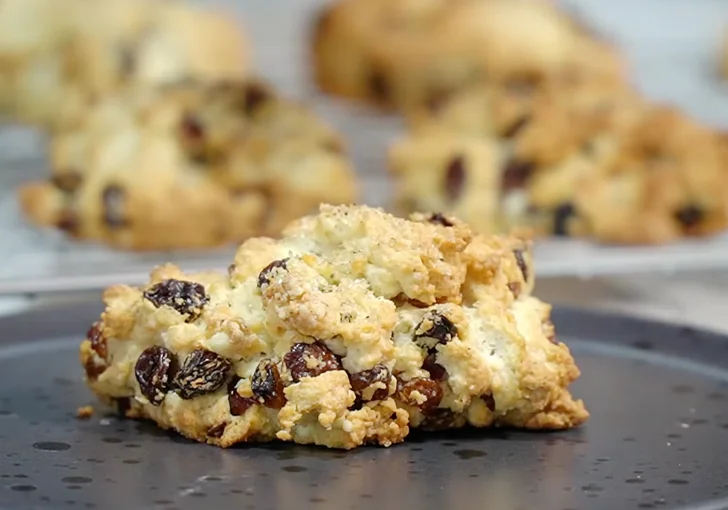
Bake for 15 minutes, or until the rock cakes are lightly golden with crisp, slightly rough tops and cooked through.
Step 11 – Cool
Remove the tray from the oven and allow the rock cakes to rest on the baking tray for 2–3 minutes. Transfer them to a wire rack to cool completely, or enjoy them while still slightly warm.
Mary Berry Rock Cakes Tips & Notes for Best Results
- Always use cold butter straight from the fridge for a lighter crumb.
- Leave a few tiny butter pieces in the mixture instead of rubbing everything completely smooth.
- Let the homemade buttermilk stand for the full five minutes before using it.
- Coat the dried fruit with flour before adding the wet ingredients so it stays evenly spread through the dough.
- Mix only until the dough comes together. Overmixing makes the cakes heavier.
- Keep the dough rough and uneven. That rustic shape creates crisp edges during baking.
- Sprinkle demerara sugar generously over the top for the classic crunchy finish.
- Bake only until lightly golden. Leaving them in too long can dry out the inside.
- Cool on a wire rack so the bottoms stay crisp instead of becoming soft.
- Rock cakes taste lovely on the day they are baked, but they’re still very good the next day with a little butter or your favourite jam.
Mistakes To Avoid While Making
Using warm butter – Always use cold butter so the cakes stay light and crumbly.
Overmixing the dough – Stop mixing as soon as everything comes together. Too much stirring makes the texture heavy.
Making the dough smooth – Keep the mixture rough. The uneven shape gives rock cakes their classic look.
Skipping the demerara sugar – It adds the crisp topping that makes each bite more enjoyable.
Adding too much flour – Measure carefully. Extra flour can make the cakes dry.
Overbaking – Bake until lightly golden, then remove them from the oven before they lose their soft centre.
Mary Berry Rock Cakes Variations To Try
These rock cakes are easy to play around with, which is part of the charm. I still lean towards the plain version most days, but I do like to change things now and then. A small swap here or there keeps the bake familiar, while giving it a fresh taste.
Cherry Rock Cakes – Swap half of the mixed dried fruit for chopped glacé cherries. They add little bursts of sweetness and a bright colour inside each cake.
Mixed Peel Version – Add two tablespoons of mixed peel with the dried fruit. It brings a gentle citrus flavour that works well with the mixed spice.
Orange Rock Cakes – Stir the finely grated zest of one orange into the dry ingredients. The fresh orange flavour lifts the whole bake without making it too sweet.
Apple and Raisin Rock Cakes – Replace a handful of dried fruit with small pieces of dried apple. The apple softens while baking and gives a lovely fruity bite.
Chocolate Chip Rock Cakes – Swap some of the dried fruit for milk or dark chocolate chips. The chocolate melts slightly inside and makes the cakes feel like a special treat.
Cinnamon Rock Cakes – Replace the mixed spice with one teaspoon of ground cinnamon for a warmer flavour that goes perfectly with a cup of tea.
What To Serve With This Mary Berry Rock Cakes
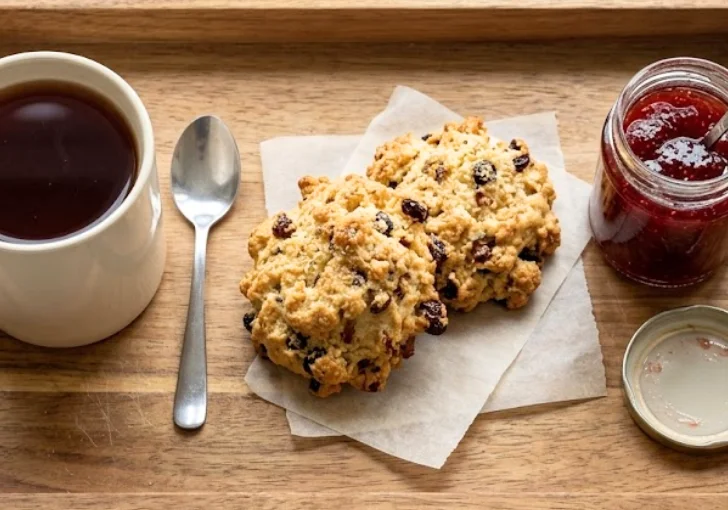
Freshly baked rock cakes are lovely on their own, but a few simple extras make them even better. I enjoy serving them while they are still slightly warm with a little butter, which melts straight into the crumbly middle.
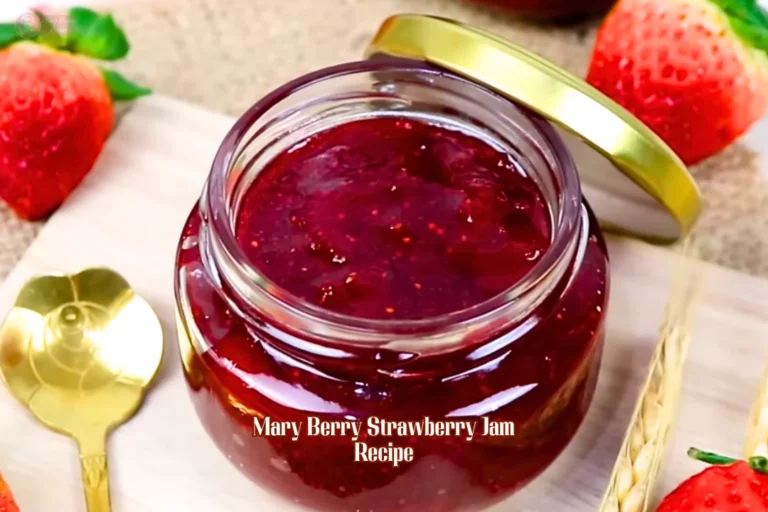
If you fancy something sweeter, a spoonful of strawberry jam or raspberry jam works beautifully without hiding the flavour of the dried fruit.
hey also sit perfectly beside a mug of English Breakfast tea, Earl Grey, or fresh coffee.
On warmer days, I sometimes serve them with a glass of cold milk. However you enjoy them, keep the sides simple and let the homemade flavour be the star of the plate.
How to Store Rock Cakes
Once the rock cakes have cooled completely, place them in an airtight tin or sealed container. They stay fresh for up to three days at room temperature. Keep them somewhere cool and dry, away from direct sunlight.
If you want to keep them for longer, freeze them in a freezer-safe container for up to three months. Defrost at room temperature and warm them in the oven for a few minutes to bring back their lovely crumb and lightly crisp top. I avoid storing them in the fridge because they can dry out more quickly there.
FAQs
Can I make Mary Berry Rock Cakes Recipe without homemade buttermilk?
Yes, you can use plain whole milk if needed, but I always prefer the homemade buttermilk made with milk and apple cider vinegar. It gives the rock cakes a softer crumb and a richer texture. It only takes a few minutes to prepare, so I think it’s well worth the extra step.
Why are my rock cakes hard instead of crumbly?
The most common reason is overmixing the dough or using too much flour. I gently stir the mixture only until everything comes together. Cold butter also helps create the light, crumbly texture that makes homemade rock cakes so enjoyable.
Can I freeze homemade rock cakes?
Yes. Let the rock cakes cool completely before placing them into a freezer-safe container or freezer bag. They keep well for up to three months. When you want to enjoy them again, leave them to thaw at room temperature and warm them in the oven for five minutes.
Which dried fruit works best?
I like using a mix of dark raisins, golden raisins, and dried cranberries because each one adds something different. The raisins give traditional sweetness, while the cranberries bring a gentle sharpness that balances the flavour. You can also add currants or chopped dried apricots if you like.
Can I use self-raising flour instead of plain flour?
You can, but you’ll need to reduce the baking powder. I still recommend plain flour because it gives you better control over the rise. It also keeps the texture closer to the traditional British rock cakes that I enjoy baking at home.
Why do rock cakes have a rough shape?
The rough appearance is exactly how they should look. The dough is dropped onto the baking tray with a spoon instead of being shaped neatly. Those uneven edges become lightly crisp during baking, giving rock cakes their well-known look and lovely texture.
Can I make the dough ahead of time?
I prefer baking the dough as soon as it is mixed because the baking powder starts working straight away. If you need to prepare ahead, keep the dough covered in the fridge for no longer than one hour before baking. Freshly mixed dough usually gives the best rise.
Can I add extra spices?
Yes. Mixed spice gives the classic flavour, but a little ground cinnamon or a pinch of nutmeg works very well too. I keep the extra spice light so it doesn’t cover the taste of the dried fruit or vanilla.
How do I know when the rock cakes are baked?
The tops should be lightly golden, and the cakes should feel firm around the edges while staying slightly soft in the middle. If you’re unsure, gently lift one and check the base. It should be lightly golden rather than pale or dark brown.
Mary Berry Rock Cakes Recipe
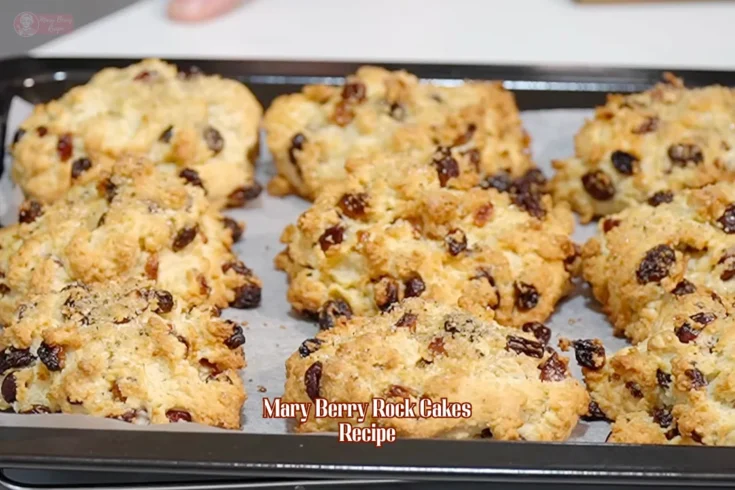
Mary Berry Rock Cakes Recipe is my go-to choice when I want an easy British bake with a soft, crumbly center and crisp golden top. Made with simple pantry ingredients, this homemade rock cakes recipe is beginner-friendly, ready in about 35 minutes, and perfect for afternoon tea or a quick snack. Follow my simple steps and tips for great results every time. Enjoy yours warm with butter, or serve with your favorite jam and a hot cup of tea.
Ingredients
- 250g plain flour
- 2 tsp baking powder
- ¼ tsp fine salt
- 100g cold unsalted butter, cubed
- 75g caster sugar
- 1 tsp mixed spice
- 150g mixed dried fruit (a mixture of dark raisins, golden raisins, and a handful of dried cranberries)
- 1 large egg
- 240ml whole milk
- 1 tbsp apple cider vinegar
- 1 tsp vanilla extract
- 2 tbsp demerara sugar, for sprinkling
Instructions
- Prepare the Oven and Buttermilk: Preheat the oven to 180°C (160°C fan). Line a baking tray with baking parchment. Pour the milk into a jug and stir in the apple cider vinegar. Leave it to stand for about 5 minutes until the milk begins to curdle slightly, creating a simple homemade buttermilk.
- Mix the Dry Ingredients: In a large mixing bowl, combine the plain flour, baking powder, and salt. Stir everything together so the raising agent and salt are evenly distributed throughout the flour.
- Rub in the Butter: Add the cubed cold butter to the flour mixture. Using your fingertips and thumbs, gently rub the butter into the flour until the mixture resembles coarse breadcrumbs. A few slightly larger pieces of butter are perfectly fine, as they help create a light, crumbly texture.
- Add the Sugar and Spice: Stir the caster sugar and mixed spice into the breadcrumb mixture until evenly combined. This adds sweetness and the classic warm flavour associated with traditional British rock cakes.
- Prepare the Wet Mixture: Lightly beat the egg in a small bowl. Add the beaten egg to the homemade buttermilk, then stir in the vanilla extract until everything is well combined.
- Add the Dried Fruit: Mix the dried fruit into the flour mixture, ensuring the raisins and cranberries are evenly coated with flour. Using a combination of dark raisins, golden raisins, and a few dried cranberries gives the rock cakes a richer flavour with a slight sharpness from the cranberries.
- Make the Dough: Pour the wet mixture into the bowl with the dry ingredients. Using a fork, gently fold everything together until a rough, thick dough forms. Avoid overmixing or pressing the mixture together too firmly. The dough should remain rustic and slightly uneven.
- Shape the Rock Cakes: Using either a spoon or a fork, scoop rough portions of dough onto the prepared baking tray, leaving a little space between each one. Do not flatten or shape them neatly. Keep the rough, craggy appearance, as this gives rock cakes their traditional look and helps create crisp edges during baking.
- Add the Crunchy Topping: Sprinkle the tops generously with demerara sugar. The coarse sugar creates a light, crunchy finish once baked.
- Bake: Bake for 15 minutes, or until the rock cakes are lightly golden with crisp, slightly rough tops and cooked through.
- Cool: Remove the tray from the oven and allow the rock cakes to rest on the baking tray for 2–3 minutes. Transfer them to a wire rack to cool completely, or enjoy them while still slightly warm.
- Serve: Rock cakes are delicious served warm or at room temperature. Spread with butter while still warm so it melts into the crumbly interior. The texture is similar to a richer, fruit-filled scone, with a crisp sugary top and a soft, tender centre.
Nutrition Information:
Serving Size:
1 rock cakeAmount Per Serving: Calories: 225Total Fat: 9gCholesterol: 30mgSodium: 135mgCarbohydrates: 33gSugar: 15gProtein: 4g
I hope this Mary Berry Rock Cakes Recipe brings as much joy to your kitchen as it has to mine. It is one of those classic British bakes that never asks for fancy ingredients or tricky methods.
Just a few everyday cupboard staples come together to make soft, fruity rock cakes with crisp golden tops that are hard to resist. I still bake them whenever I want something simple that feels homemade and comforting.