Mary Berry Yorkshire Pudding Recipe (Sunday Favourite)
Mary Berry Yorkshire Pudding Recipe was one I first saved after watching people compare it with packet mixes and homemade versions. The thing that caught my eye wasn’t fancy ingredients or clever tricks. It was how a few simple steps turned plain flour, eggs and milk into tall, crisp Yorkshire puddings with soft, airy centres.
I had to try it for myself, and after one batch I understood why so many home cooks trust Mary’s method.
Yorkshire puddings have been part of British roast dinners for generations, starting in Yorkshire as an affordable way to make the most of a Sunday roast and all that lovely gravy.
They’re simple, but getting them right takes good timing more than anything else. Hot oil, a rested batter and a hot oven do most of the work.
If you’ve never made them before, don’t worry. I’ll walk you through every step so you can get the same golden rise in your own kitchen. Serve them warm with roast beef, chicken or turkey, and don’t be shy with the gravy—you’ll be glad you didn’t.

What Flour To Choose For Making Mary Berry Yorkshire Pudding
Plain flour is the one you want for a proper Yorkshire pudding, and I wouldn’t swap it for anything else. I’ve tried this recipe with self-raising flour, and it doesn’t give the same result.
Self-raising flour already has raising agents mixed through it, and that extra puff stops your batter climbing as high in a hot oven.
Plain flour lets the eggs and steam do the heavy lifting, which is exactly how you get that tall, crisp shell with a soft, airy middle.
I always weigh mine on kitchen scales rather than scooping with a cup, since a heavy hand with flour leaves you with a dense, stodgy pudding.
Reasons I’m Obsessed With This Mary Berry Yorkshire Pudding
- It rises properly, every time. Hot oil and a hot oven give tall, puffed-up puddings, not flat, sad discs.
- Just five ingredients. Flour, salt, milk, eggs and oil, nothing needing a special shop trip.
- Crisp shell, soft centre. You get proper contrast here, unlike shop-bought versions that turn chewy.
- Brilliant for scooping gravy. That hollow middle holds a good ladleful without going soggy.
- Forgiving for beginners. I made a right mess trying a different method years ago, but this one’s simple and hard to get wrong.
- Freezes well. Batch cook a tray and freeze them for busy weeks when you fancy a roast without the fuss.
Perfect For
Sunday roast dinners – A tray of fresh Yorkshire puddings makes any roast feel complete.
Christmas lunch – They pair beautifully with turkey, beef and plenty of rich gravy.
Weeknight comfort meals – I sometimes serve them with sausages and onion gravy for an easy supper.
New home cooks – The recipe is simple, so it’s a great place to start if you’ve never made Yorkshire puddings before.
Cooking with children – Mixing the batter is easy and fun, and they love watching the puddings rise in the oven.
Using simple cupboard ingredients – Most of the ingredients are already sitting in the kitchen, so there’s rarely a last-minute shop needed.
Mary Berry Yorkshire Pudding Ingredients
100g Plain Flour – Plain flour gives the batter its structure without any extra rising power, letting steam do the lifting instead. I usually reach for Allinson’s or a supermarket own-brand plain flour, and either one works brilliantly. Weighing it properly matters more than the brand you choose.
¼ teaspoon Salt – Just a small pinch of salt lifts the flavour of the batter so it doesn’t taste flat or bland. Any table salt or fine sea salt from your cupboard will do the job here, no need for anything fancy for such a small amount.
225ml Whole Milk – Whole milk gives the batter richness and helps create a smooth, pourable mixture that pours easily into the hot tin. I use a full-fat brand like Cravendale, since semi-skimmed can leave the puddings a touch less golden and less rich in flavour.
3 Medium Eggs – Eggs are the real reason Yorkshire puddings puff up so dramatically in a hot oven, giving structure and a lovely golden colour. Free-range medium eggs, like Clarence Court or a supermarket free-range box, work best for flavour and a strong rise.
12 teaspoons sunflower oil (1 teaspoon per hole of a 12-hole muffin tin) – Sunflower oil has a high smoke point, so it gets properly hot without burning, giving you crisp, golden edges around each pudding. I keep a bottle of KTC or a supermarket own-brand sunflower oil just for this job, since it heats evenly in every hole of the tin.
Kitchen Equipment You’ll Need for This Yorkshire Pudding
12-Hole Muffin Tin – Gives each Yorkshire pudding plenty of room to rise with crisp edges and a classic hollow centre.
Kitchen Scales – Helps you weigh the flour accurately for a well-balanced batter and more consistent results every time.
Mixing Bowl – A medium-sized bowl gives you enough space to whisk the batter without making a mess.
Whisk (or Electric Hand Mixer) – A hand whisk works perfectly, while an electric hand mixer makes the batter extra smooth in less time.
How To Make Mary Berry Yorkshire Pudding
Step 01 – Preheat the Oven
Preheat your oven to 220°C (200°C Fan/Gas Mark 7). Place a 12-hole muffin tin nearby so it is ready for the oil once the batter has been mixed.
Step 02 – Measure the Dry Ingredients
Weigh 100g plain flour and place it into a mixing bowl. Add ¼ teaspoon salt and stir together. Weighing the flour rather than measuring by volume gives a more accurate batter and more consistent Yorkshire puddings.
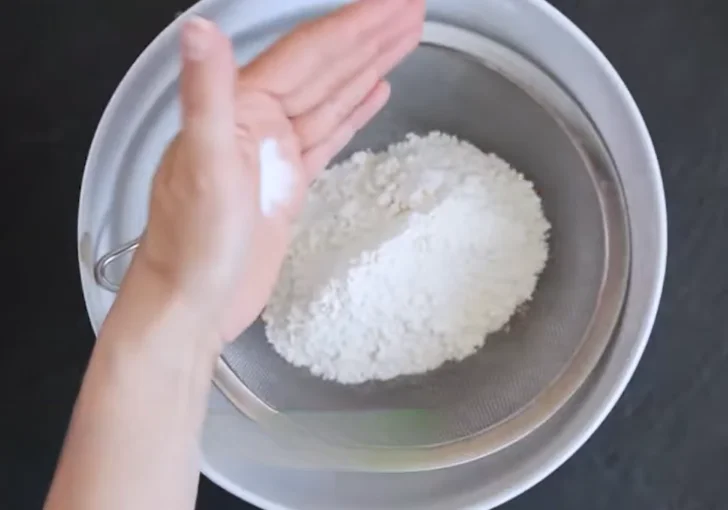
Step 03 – Start the Batter
Make a well in the centre of the flour mixture. Pour in a small amount of the 225ml milk and begin whisking from the centre, gradually incorporating the flour until you have a smooth, thick paste. Starting this way helps prevent lumps from forming.
Step 04 – Add the Remaining Milk
Gradually whisk in the rest of the milk a little at a time until the mixture becomes smooth and thinner. Continue whisking until there are no visible lumps.
Step 05 – Whisk in the Eggs
Crack 3 medium eggs into the batter and whisk thoroughly until fully combined. The finished batter should be smooth, pourable and slightly thicker than single cream. An electric hand mixer may be used if preferred, but a hand whisk works just as well.
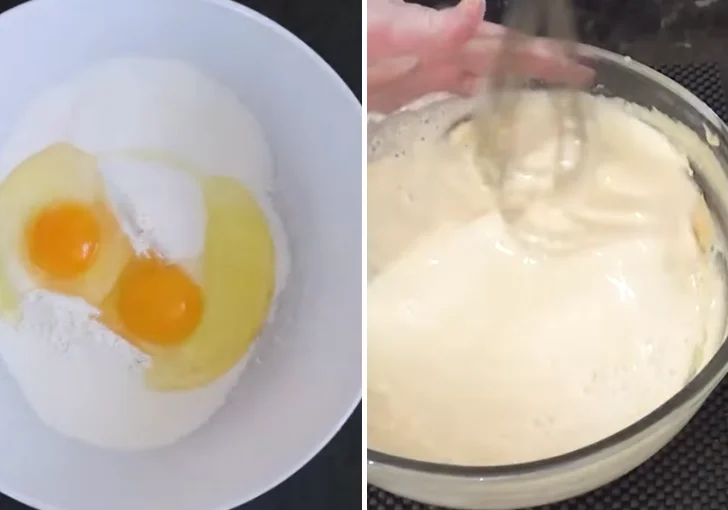
Step 06 – Transfer and Rest the Batter
Pour the batter into a measuring jug to make filling the tin easier. Let the batter rest while the oil heats in the oven. This short resting period allows the flour to fully hydrate and helps produce a lighter, better-risen Yorkshire pudding.
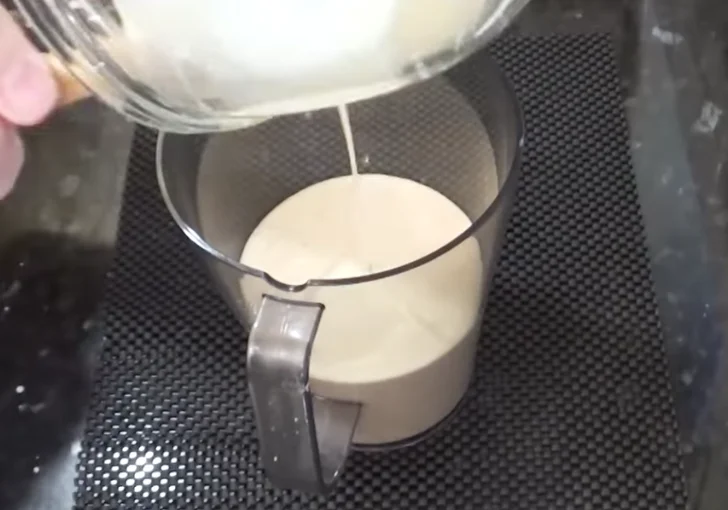
Step 07 – Heat the Oil
Measure 1 teaspoon sunflower oil into each hole of the 12-hole muffin tin. Place the tin into the preheated oven for 5–10 minutes, or until the oil is very hot and shimmering. The oil should be sizzling hot before the batter is added, but it should not be smoking.
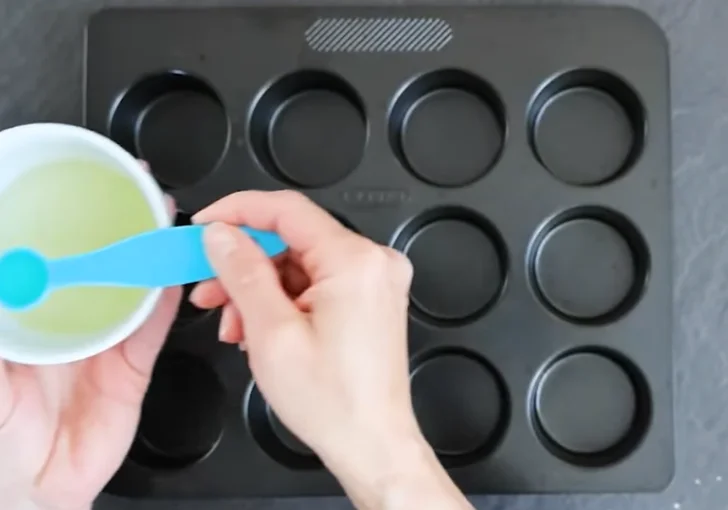
Step 08 – Fill the Hot Tin
Carefully remove the hot tin from the oven. Immediately pour the rested batter evenly into each cup, filling each one about halfway. Work quickly so the oil stays hot, then return the tin straight to the oven.
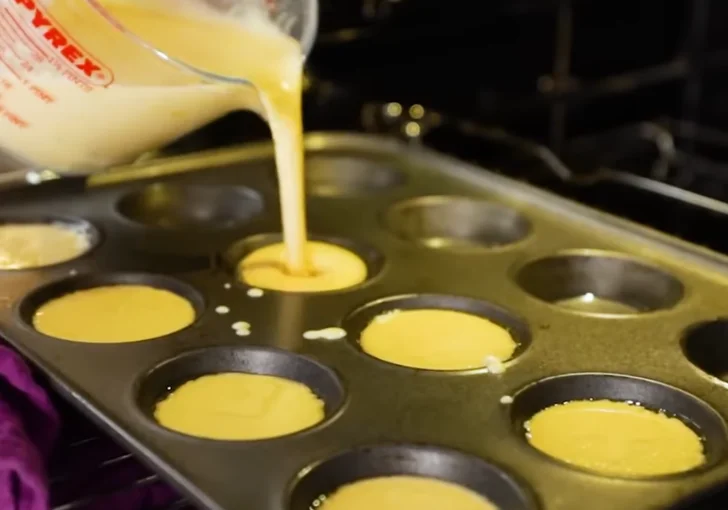
Step 09 – Bake Without Opening the Oven
Bake for 20–25 minutes until the Yorkshire puddings are well risen, crisp and a deep golden brown. Do not open the oven door during at least the first 15 minutes of baking, as the sudden drop in temperature can cause them to collapse before they have set.
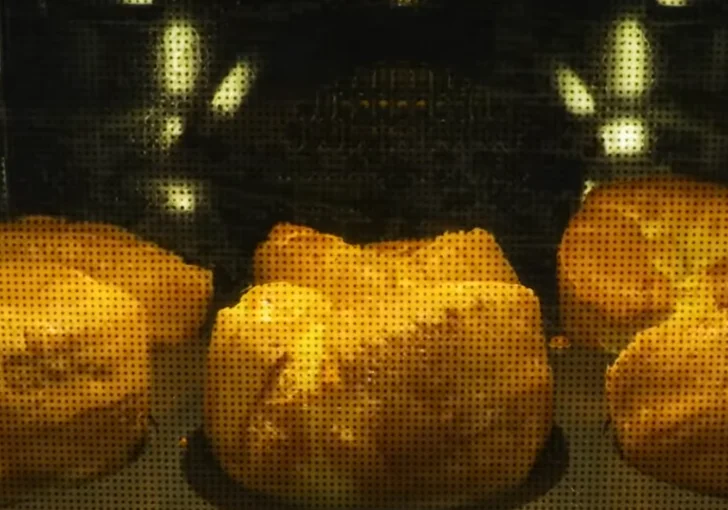
Step 10 – Serve Immediately
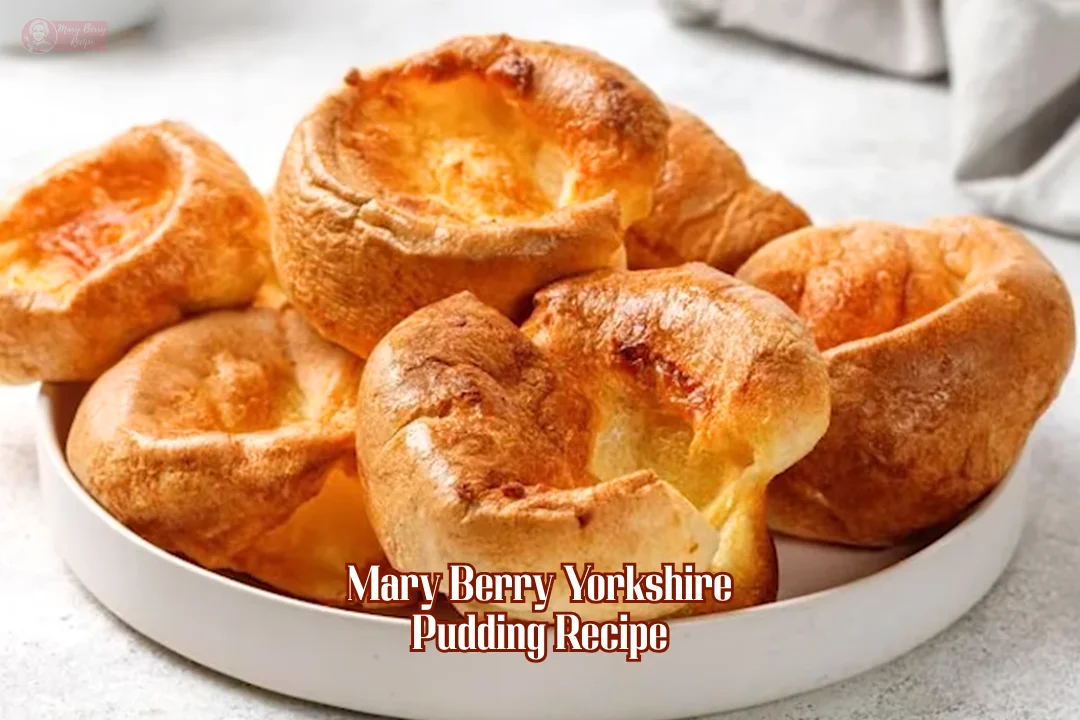
Remove the Yorkshire puddings from the oven once they are crisp, deeply golden and fully risen. The outside should be crisp while the centre remains light and slightly soft with a hollow interior that’s perfect for holding gravy. Serve immediately while hot alongside roast beef, roast chicken, roast turkey or any roast dinner with plenty of gravy. They are especially ideal for catching rich pan gravy without becoming heavy or dense.

Baker’s Notes For Yorkshire Pudding Perfection
- Weigh your flour rather than scooping it, since this alone makes the biggest difference to a consistent rise.
- Sunflower oil is worth sticking with here, thanks to its high smoke point and clean heat.
- Never skip resting the batter, even for just a few minutes, while your oil comes up to heat.
- Fill the tins fast and get them back in the oven immediately, before the oil has a chance to cool.
- Resist peeking through that oven door for the first 15 minutes, no matter how tempting it is.
- A standard 12-hole muffin tin gives you excellent rise and that classic hollow centre, perfect for gravy.
Mistakes That Will Ruin Yorkshire Pudding
- Cold oil in the tin. The oil must be smoking hot before the batter goes in, or your puddings won’t rise.
- Opening the oven early. Peeking in the first 15 minutes lets heat escape and causes collapse.
- Measuring flour by volume. Scooping with a cup packs the flour down and throws off the whole batter.
- Skipping the rest. A rushed batter gives a flatter, denser result.
- Overfilling the tin. Filling past halfway causes overflow and soggy bottoms.
- Using a cold bowl. Cold batter straight from the fridge stops it rising as well.
Serving Ideas With This Mary Berry Yorkshire Pudding
Sunday lunch is where this pudding truly shines, sat alongside roast beef, thick gravy, roast potatoes and a pile of buttered vegetables.
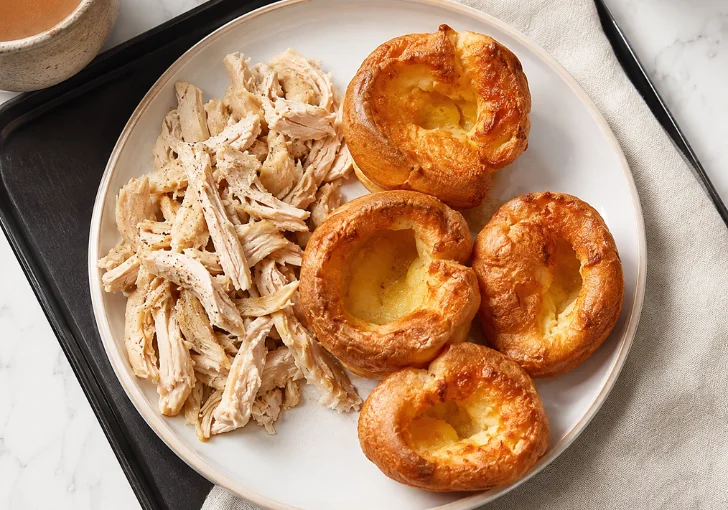
Slather one open and fill it with extra gravy and shredded roast chicken for a heartier plate.
A smaller batch works nicely as a starter, served simply with gravy poured straight into the middle, just as it was traditionally eaten in Yorkshire kitchens long ago.
Leftover puddings make a smashing base for a quick lunch too, topped with cold roast meat and a spoon of horseradish or cranberry sauce.
Whatever roast you’ve got planned this week, a batch of these puddings turns an ordinary dinner into something a little more special.
Make-Ahead, Storing Leftover & Reheating
Make-Ahead
You can make the batter a day before if it suits your plans. Cover the jug or bowl and keep it in the fridge for up to 24 hours. Give it a quick whisk before pouring it into the hot tin.
Storing Leftover
If you have leftover Yorkshire puddings, let them cool fully before storing them in an airtight container. Keep them in the fridge for up to three days.
For longer storage, freeze them in a freezer-safe bag or container for up to three months. I like placing baking paper between layers so they don’t stick together.
Reheating
To reheat, place them on a baking tray in a hot oven at 200°C for around 5 to 8 minutes, or a little longer if they are frozen. This keeps the outside crisp. I don’t recommend using the microwave because it makes them soft and chewy instead of crisp.
Mary Berry Yorkshire Pudding Recipe FAQs
Why didn’t my Yorkshire puddings rise?
The most common reason is oil that wasn’t hot enough before the batter went in. The oil needs to be properly sizzling and shimmering, almost smoking, so the batter starts cooking the instant it hits the tin, giving that quick burst of steam that pushes the pudding upward.
Can I make the batter in advance?
Yes, you can mix the batter up to a day ahead and store it covered in the fridge. This actually gives the flour extra time to hydrate fully, which some cooks find gives an even better rise. Just stir it well before using, as it can settle slightly while resting.
Why do my Yorkshire puddings collapse after baking?
This usually happens when the oven door is opened too early during baking. The sudden drop in temperature stops the puddings setting properly in the middle, causing them to sink back down once removed from the heat. Keeping the door shut for the full 15 minutes solves this most of the time.
Can I use a different tin instead of a muffin tin?
Yes, a traditional Yorkshire pudding tin with deeper, wider holes works well too, as does one large ovenproof dish for a single giant pudding. Just keep the oil generous and properly hot before adding your batter, whatever tin you choose.
What is the best oil to use for Yorkshire pudding?
Sunflower oil is ideal thanks to its high smoke point, meaning it can get very hot without burning or smoking in the oven. Vegetable oil works as a near-identical substitute, and beef dripping gives a richer, more traditional flavour if you have some saved.
Can I freeze cooked Yorkshire puddings?
Absolutely, cooked and cooled Yorkshire puddings freeze well for up to 2 months in a freezer bag or container. Reheat them straight from frozen on a baking tray in a hot oven for around 8 to 10 minutes until crisp and warmed through fully.
Why is my batter lumpy?
Lumps usually form when all the milk is added too quickly at the start. Adding a small splash first and whisking from the centre outward helps the flour absorb liquid smoothly, building a lump-free paste before you add the rest of the milk.
How do I get a bigger rise?
Make sure your oven is fully preheated, your oil is properly smoking hot, and your batter has rested for at least 20 to 30 minutes beforehand. Filling the tin only halfway also gives the batter enough room to climb properly as it cooks.
Can I make Yorkshire pudding without eggs?
Eggs are essential to this particular recipe, since they’re largely responsible for the rise and structure. An egg-free version would need a completely different recipe built around other raising methods, and wouldn’t give the same classic, hollow result that this one produces so reliably.
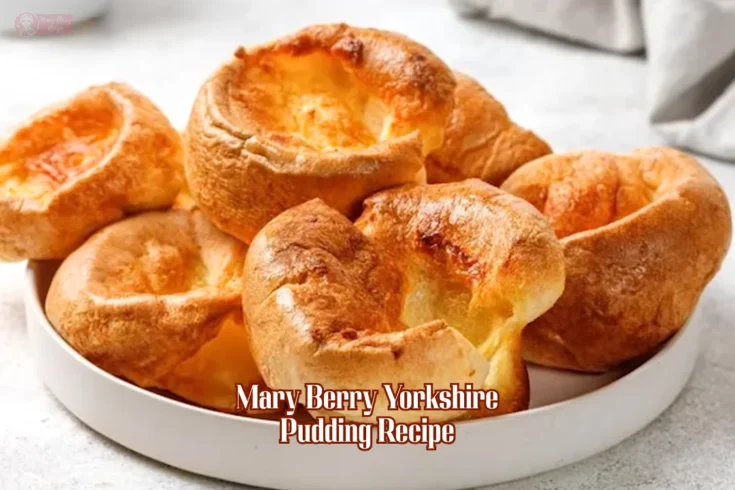
Mary Berry Yorkshire Pudding Recipe (Sunday Favourite)
Make this Mary Berry Yorkshire Pudding Recipe for tall, crisp, golden Yorkshire puddings with soft, airy centres that are perfect for soaking up rich gravy. I keep coming back to this homemade Yorkshire pudding recipe because the method is simple, the ingredients are everyday kitchen staples, and the results stay reliable every time. You'll find easy step-by-step instructions, helpful tips, common mistakes to avoid, and storage advice, so even first-time bakers can cook with confidence. Serve them fresh with roast beef, roast chicken, roast turkey, or your favourite roast dinner for the best flavour.
Ingredients
- 100g plain flour
- ¼ teaspoon salt
- 225ml whole milk
- 3 medium eggs
- 12 teaspoons sunflower oil (1 teaspoon per hole of a 12-hole muffin tin)
Instructions
- Preheat your oven to 220°C (200°C Fan/Gas Mark 7). Place a 12-hole muffin tin nearby so it is ready for the oil once the batter has been mixed.
- Weigh 100g plain flour and place it into a mixing bowl. Add ¼ teaspoon salt and stir together. Weighing the flour rather than measuring by volume gives a more accurate batter and more consistent Yorkshire puddings.
- Make a well in the centre of the flour mixture. Pour in a small amount of the 225ml milk and begin whisking from the centre, gradually incorporating the flour until you have a smooth, thick paste.
- Gradually whisk in the rest of the milk a little at a time until the mixture becomes smooth and thinner. Continue whisking until there are no visible lumps.
- Crack 3 medium eggs into the batter and whisk thoroughly until fully combined. The finished batter should be smooth, pourable and slightly thicker than single cream. An electric hand mixer may be used if preferred, but a hand whisk works just as well.
- Pour the batter into a measuring jug to make filling the tin easier. Let the batter rest while the oil heats in the oven.
- Measure 1 teaspoon sunflower oil into each hole of the 12-hole muffin tin. Place the tin into the preheated oven for 5–10 minutes, or until the oil is very hot and shimmering.
- Carefully remove the hot tin from the oven. Immediately pour the rested batter evenly into each cup, filling each one about halfway. Work quickly so the oil stays hot, then return the tin straight to the oven.
- Bake for 20–25 minutes until the Yorkshire puddings are well risen, crisp and a deep golden brown. Do not open the oven door during at least the first 15 minutes of baking, as the sudden drop in temperature can cause them to collapse before they have set.
- Remove the Yorkshire puddings from the oven once they are crisp, deeply golden and fully risen. The outside should be crisp while the centre remains light and slightly soft with a hollow interior that's perfect for holding gravy.
- Serve immediately while hot alongside roast beef, roast chicken, roast turkey or any roast dinner with plenty of gravy.
Nutrition Information:
Serving Size:
2 Yorkshire puddings per personAmount Per Serving: Calories: 185Total Fat: 10gCarbohydrates: 16g
This Mary Berry Yorkshire Pudding Recipe has become one of my favourite recipes because it is simple, reliable and always gives crisp, golden Yorkshire puddings with soft centres. I hope you enjoy making them as much as I do.
Once you’ve tried this recipe, I’m sure it will become part of your own roast dinner tradition too. If you make it, I’d love to hear how it turned out for you.