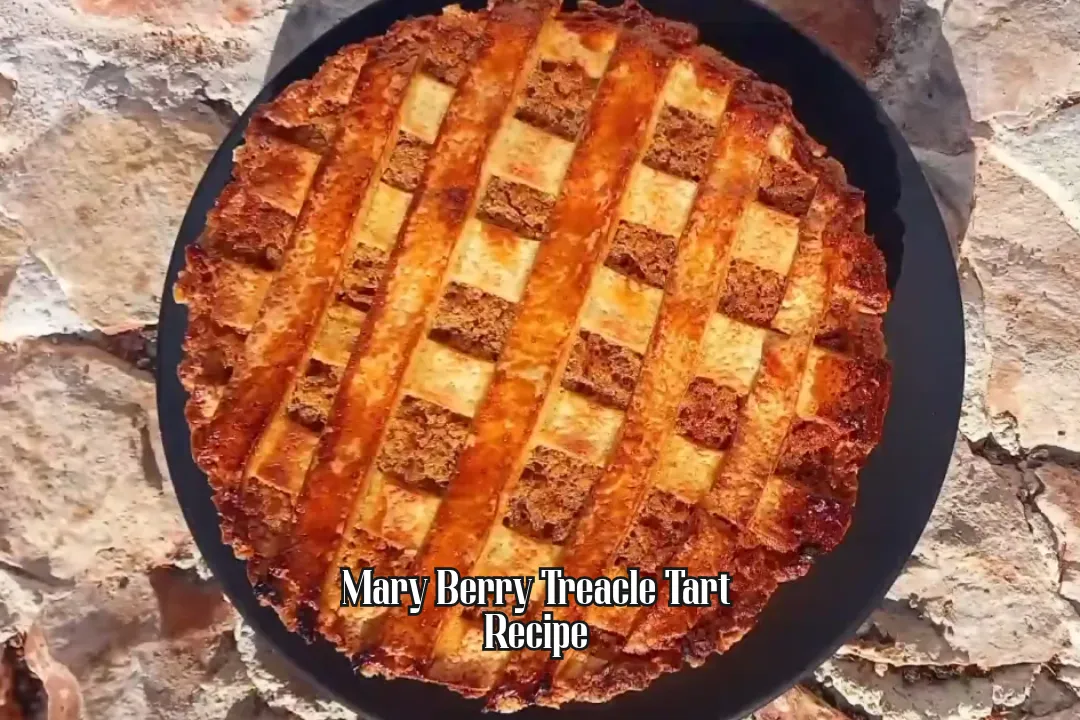
Mary Berry Treacle Tart Recipe (everyone’s favourite dessert)
The first time I tried treacle tart, I honestly didn’t expect to enjoy it as much as I did. I had always thought it might be far too sweet, until I try this Mary Berry Treacle Tart Recipe from here cookbook.
This treacle tart recipe has become one of those puddings I love coming back to. The sticky golden syrup filling, buttery pastry and little hint of lemon make a lovely combination.
What I really like about this tart is the balance of flavours. The golden syrup gives it a lovely sticky sweetness, while a little fresh lemon juice stops it from tasting too sugary.
The double cream makes the filling smooth and rich, and the golden lattice on top gives it that classic bakery-style look.
I know making pastry can seem like a bit of work, but don’t let that put you off. The steps are simple, and most of the time is spent chilling the dough and letting the oven do its job.
Serve a warm slice with homemade custard or pouring cream, and you’ll soon see why this traditional British dessert has been loved for so long.

What Makes This Mary Berry Treacle Tart Recipe Worth Making
This treacle tart stands out because its filling is rich without tasting too sweet. Golden syrup and butter give it that familiar sticky centre like this tarte tatin, while fresh lemon juice cuts through some of the sweetness.
I also use double cream, which gives the filling a smoother and richer feel than a basic syrup and breadcrumb mixture.
Fresh white breadcrumbs are important here. They soak up the syrup and give the tart its traditional texture without making it heavy. The pastry is blind-baked before the filling goes in, so the base has time to cook properly and stays crisp.
I finish it with a simple lattice topping. It looks lovely on the table, but you don’t need to spend ages decorating it.
Before You Start: Pastry, Tin Size and Baking Preparation
I recommend using a 23cm loose-bottomed tart tin. It makes the tart easier to remove and gives you neat slices.
Keep the butter and water cold when making the pastry. Warm butter can make the dough greasy and harder to handle.
Once mixed, chill the dough for at least one hour. This helps the butter firm up and gives the pastry time to relax, which reduces shrinkage. Roll it to around 3mm thick and reserve about one-third for the lattice.
Blind baking means cooking the empty pastry shell with baking beans before adding the filling. It helps prevent a soggy base. Use fresh breadcrumbs rather than dry packaged ones for a softer filling
Bake on the middle shelf at 180°C fan or 200°C conventional (Gas Mark 6).
Perfect For
- Sunday lunch: Serve a slice after a traditional roast dinner with warm custard.
- Afternoon tea: Cut it into smaller portions and enjoy with a cup of tea.
- A weekend baking project: The pastry and lattice make it a lovely recipe to prepare when you have a little time.
- A traditional pudding: It brings an old-fashioned British dessert to the table.
- Make-ahead desserts: Bake it earlier in the day and let it cool before serving.
- A sweet treat for visitors: Its golden top and sticky filling make a lovely centrepiece for a simple dessert table.
Mary Berry Treacle Tart Ingredients
For the Shortcrust Pastry
250g plain flour – Plain flour gives the pastry its structure and creates a crisp base. I use ordinary supermarket plain flour, such as Tesco, Sainsbury’s or Allinson. Measure it carefully and keep a little extra nearby for dusting your work surface. Avoid self-raising flour, as it isn’t needed here.
50g caster sugar – Caster sugar adds a little sweetness to the pastry and blends easily with the flour and butter. It gives the pastry a pleasant flavour without making it too sweet. Any standard caster sugar will work well. There is no need to use icing sugar for this recipe.
125g unsalted butter, cold and cubed – Cold butter is important for making a shortcrust pastry that is crisp and crumbly. I prefer unsalted butter because it lets me control the flavour. Keep it in the fridge until you are ready to use it. Anchor and supermarket own-brand butter are both suitable.
2–3 tablespoons cold water – Cold water brings the flour and butter together to form a dough. Start with two tablespoons and add more only if the mixture needs it. Don’t pour it all in at once, as too much water can make the pastry sticky and difficult to roll.
For the Treacle Filling
400g golden syrup – Golden syrup is the main ingredient in this traditional filling. It gives the tart its familiar sticky sweetness and lovely golden colour. Lyle’s Golden Syrup is a well-known choice, but supermarket own-brand golden syrup works just as well.
50g unsalted butter – Butter gives the syrup filling a richer taste and helps create a smooth mixture. I use unsalted butter so the flavour stays balanced. Cut it into smaller pieces before adding it to the saucepan. This helps it melt gently into the golden syrup.
1 tablespoon fresh lemon juice – Fresh lemon juice adds a little sharpness to the sweet syrup. It helps stop the filling from tasting too sugary and gives the tart a more balanced flavour. Freshly squeezed lemon is my first choice, but bottled lemon juice can be used if needed.
2 tablespoons double cream – Double cream makes the filling smoother and gives it a richer texture. Use ordinary full-fat UK double cream rather than single cream, as it has a thicker consistency. Add it after removing the warm syrup mixture from the heat.
2 medium eggs, lightly beaten – Eggs help the filling set as the tart bakes. Use two medium eggs and beat them lightly in a separate bowl before adding them. Let the syrup mixture cool slightly first. This helps prevent the eggs from cooking too quickly when they are mixed in.
150g fresh white breadcrumbs – Fresh white breadcrumbs absorb the golden syrup and give the filling its traditional soft texture. Use fresh bread without the crusts for an even result. A food processor makes quick work of this. Avoid using dry packet breadcrumbs, as they can make the filling too firm.
For the Lattice Topping
1 egg yolk, beaten – Egg yolk gives the pastry strips a lovely golden colour as they bake. Beat it with a fork and brush a thin layer over the lattice. You only need a little. Too much egg can collect between the strips and leave uneven patches.
For Preparing the Tart Tin
A little unsalted butter – Use a small amount of butter to grease the 23cm tart tin. This helps prevent the pastry from sticking and makes it easier to remove the tart after cooling. Pay attention to the base and sides when greasing.
Baking paper – Baking paper lines the pastry shell during blind baking. It keeps the baking beans away from the pastry and makes them easier to lift out. Cut a piece large enough to cover the base and sides of the tin.
Baking beans or ceramic baking weights – These weights hold the pastry in place while it cooks without the filling. They help stop the base from rising and the sides from falling in. You can use ceramic baking weights or dried beans kept for baking.
Equipment You’ll Need
- 23cm loose-bottomed tart tin
- Food processor
- Mixing bowl
- Rolling pin
- Baking paper
- Baking beans or ceramic baking weights
- Saucepan
- Pastry brush
- Fork
- Sharp knife or pastry cutter
Ingredient Notes & Smart Substitutions
- Golden syrup: This is the best choice for the traditional taste. Honey or maple syrup will change the flavour and consistency, so I wouldn’t use them as a direct replacement.
- Fresh breadcrumbs: White bread gives a soft, traditional filling. If you only have wholemeal bread, you can use it, but the colour and flavour will be slightly different.
- Double cream: Full-fat double cream gives the filling its richness. Single cream is thinner and won’t give quite the same result.
- Unsalted butter: Salted butter can be used if that’s what you have, but the flavour may be slightly different.
- Lemon juice: Fresh lemon is best. It gives a clean, sharp taste that balances the golden syrup.
- Plain flour: Don’t replace it with self-raising flour. You want a firm shortcrust pastry rather than one that rises.
- Eggs: Medium eggs are the size used in this recipe. Large eggs may add a little more moisture, so use medium ones if possible.
How To Make Mary Berry Treacle Tart
Step 01 – Prepare the Shortcrust Pastry
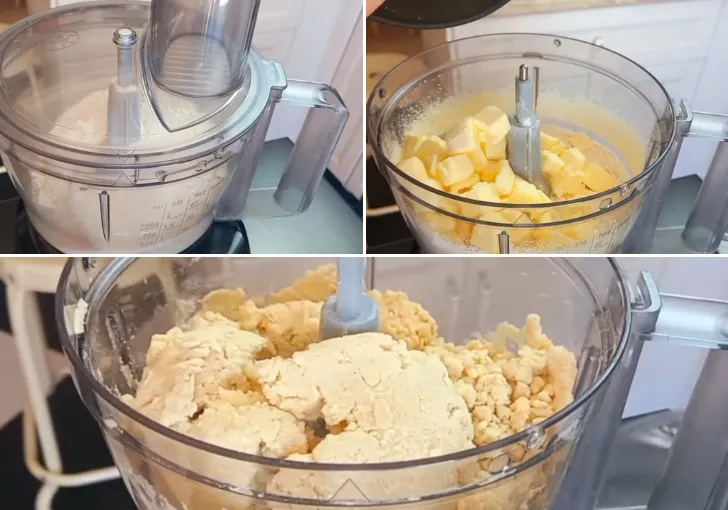
Add the plain flour and caster sugar to a food processor. Pulse several times until evenly combined. Add the cold, cubed unsalted butter and pulse again until the mixture resembles fine breadcrumbs, with no large pieces of butter remaining. Gradually add 2 tablespoons of cold water and process until the mixture starts coming together into a dough.
Add the remaining tablespoon of water only if necessary. Avoid overworking the pastry, as this can make it tough after baking.
Step 02 – Shape and Chill the Pastry
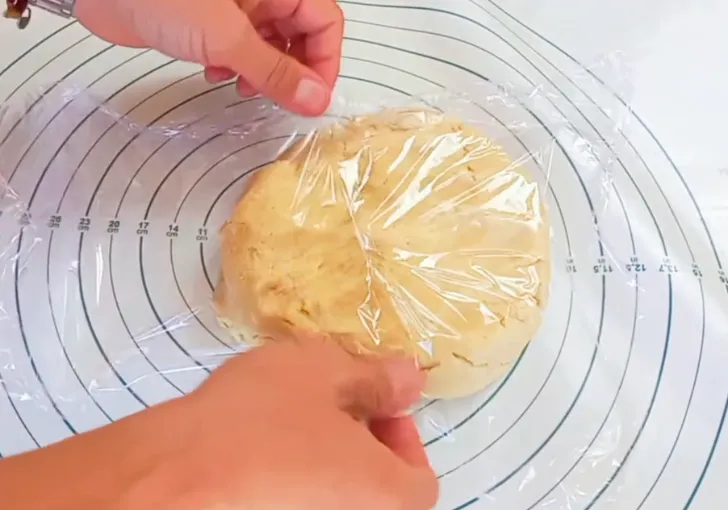
Transfer the pastry mixture onto a lightly floured work surface or baking mat. Gently bring the mixture together and fold it a few times until a smooth dough forms. Shape the dough into a flat disc, wrap it tightly in cling film and refrigerate for at least 1 hour. Chilling allows the butter to firm up and the pastry to relax, making it easier to roll without shrinking during baking.
Step 03 – Roll Out the Pastry
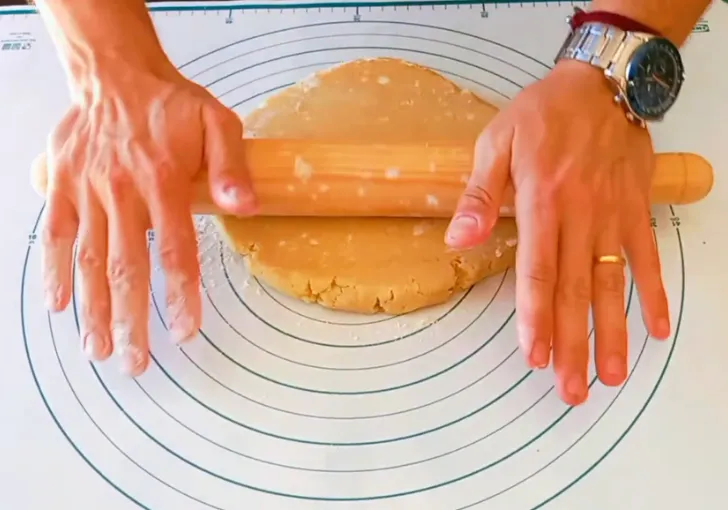
Remove the chilled pastry from the refrigerator and place it on a lightly floured work surface. Roll it out evenly using a rolling pin until it reaches approximately 3mm thickness. Turn the pastry occasionally while rolling to prevent it from sticking. Divide the pastry into two portions, reserving approximately one-third for the lattice topping and using the remaining two-thirds for the tart shell.
Step 04 – Prepare the Tart Tin
Lightly grease a 23cm loose-bottomed tart tin with unsalted butter, making sure the base and sides are properly coated. Carefully lift the larger portion of rolled pastry and transfer it into the prepared tin. Gently press the pastry into the base and sides, ensuring it fits snugly without stretching.
Trim away the excess pastry around the edges using a sharp knife. Keep the remaining pastry covered and refrigerated until needed.
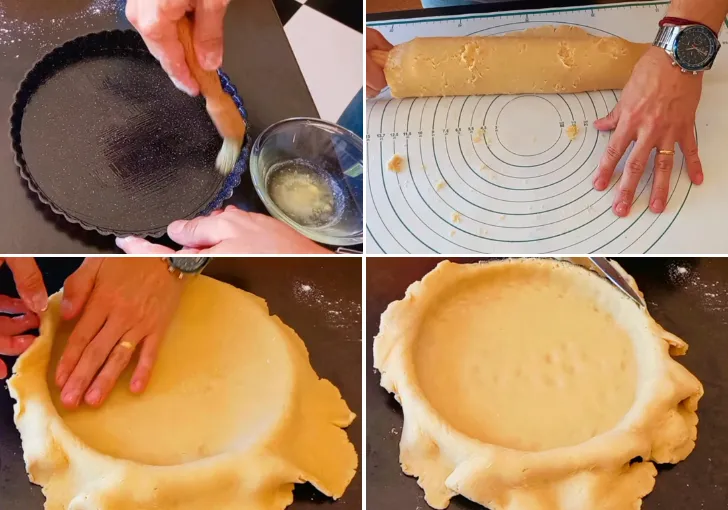
Step 05 – Prepare the Pastry Shell for Blind Baking
Prick the base of the pastry shell several times with a fork to prevent it from puffing up during baking. Place a sheet of baking paper over the pastry, making sure it covers the base and sides. Fill the lined shell with baking beans or ceramic baking weights, distributing them evenly across the base. This helps the pastry maintain its shape while baking.
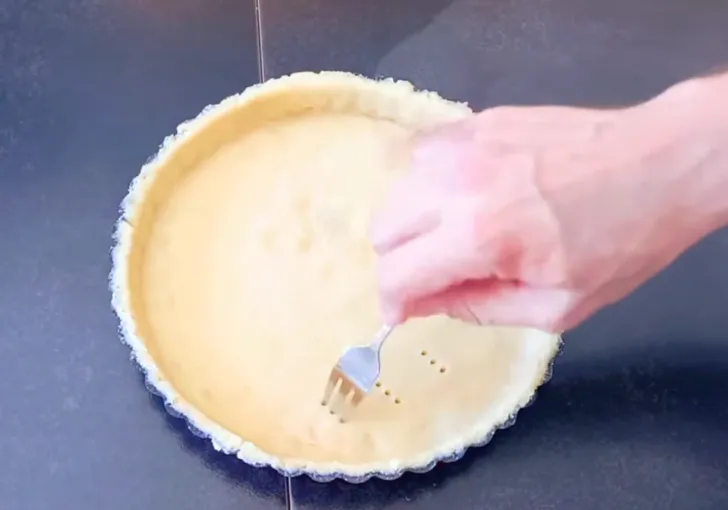
Step 06 – Blind Bake the Pastry
Preheat the oven to 180°C fan or 200°C conventional (Gas Mark 6). Place the prepared tart shell on the middle shelf and bake for 20 minutes. Carefully remove the tin from the oven and lift out the baking paper along with the baking beans.
Return the pastry shell to the oven and bake for another 5 minutes until the base looks dry and lightly golden. Allow the pastry shell to cool slightly while preparing the filling.
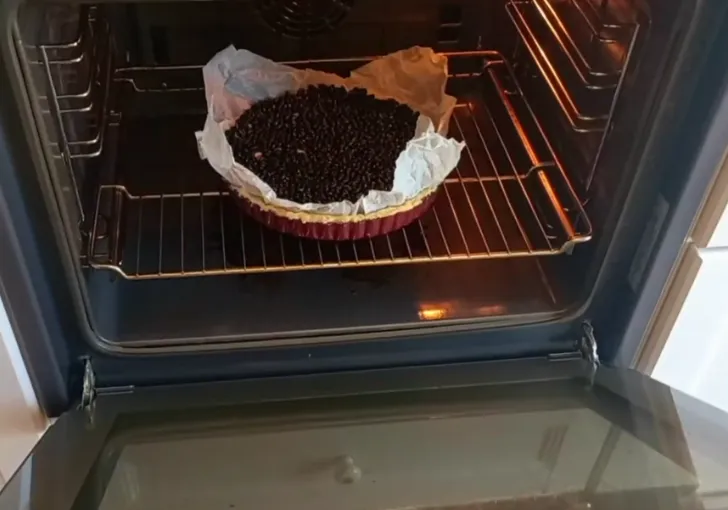
Step 07 – Prepare the Fresh Breadcrumbs
Cut fresh white bread into smaller pieces and place them in a food processor. Process until fine, even breadcrumbs form. Avoid using large or uneven bread pieces, as they can create a coarse texture in the finished filling. Measure out 150g of breadcrumbs and set aside until needed.
Fresh breadcrumbs help absorb the golden syrup mixture and give the tart its traditional soft, slightly textured filling.
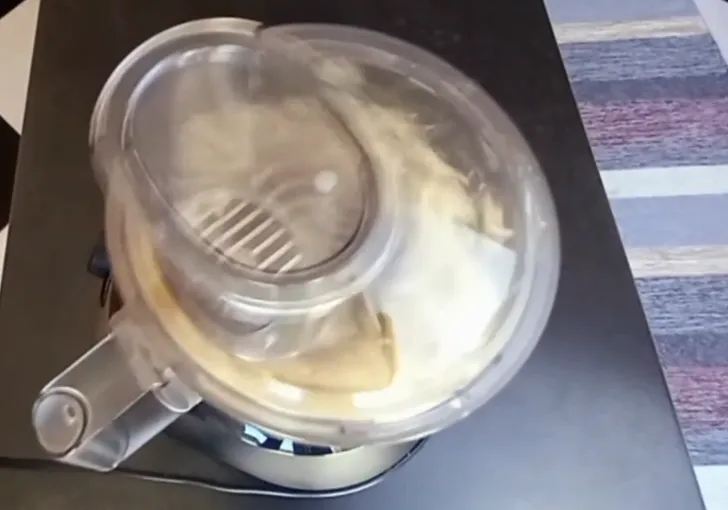
Step 08 – Melt the Golden Syrup and Butter
Place the golden syrup and 50g unsalted butter in a saucepan over low heat. Add the fresh lemon juice and stir gently until the butter melts and the ingredients are thoroughly combined. Keep the heat low and avoid bringing the mixture to a boil. Once the mixture becomes smooth and evenly blended, remove the saucepan from the heat.
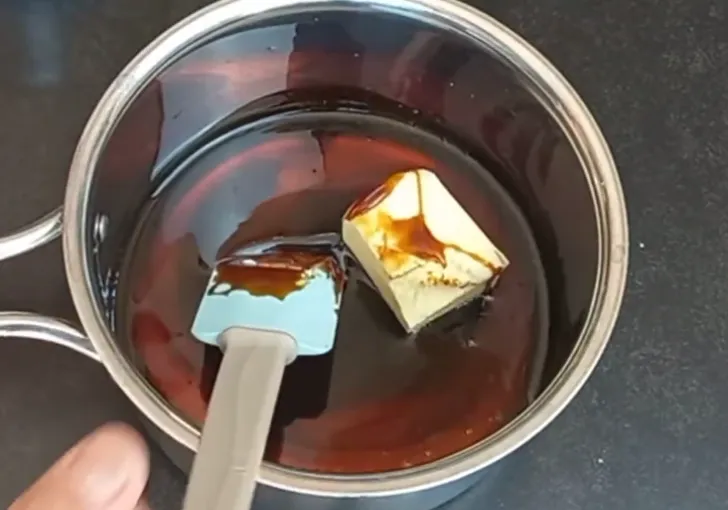
Step 09 – Add the Double Cream
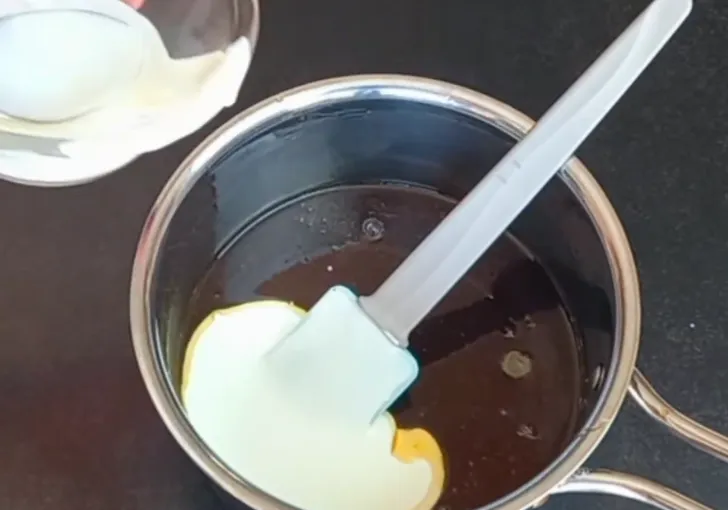
Pour the double cream into the warm golden syrup mixture and stir until fully incorporated. The cream adds richness and creates a smoother consistency in the filling. Allow the mixture to cool for a few minutes before adding the eggs, as excessive heat could cause the eggs to scramble.
Step 10 – Incorporate the Beaten Eggs
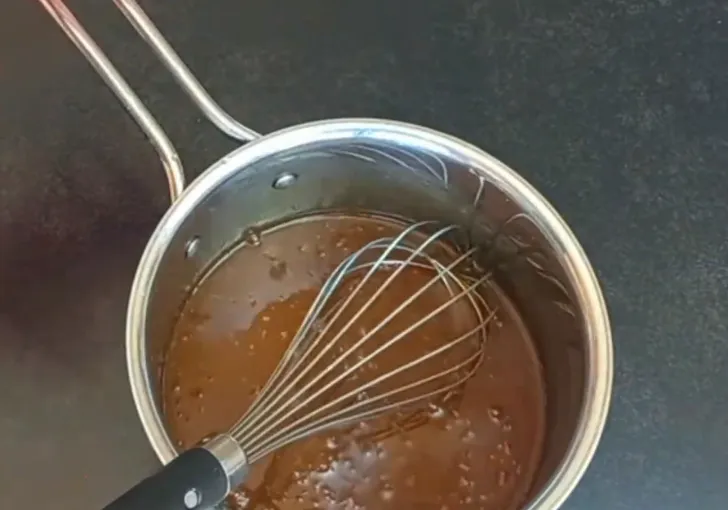
Lightly beat the two medium eggs in a separate bowl. Gradually pour the beaten eggs into the cooled golden syrup mixture, stirring continuously until everything is evenly combined. Mix thoroughly to create a smooth filling. Make sure the syrup mixture is warm rather than hot before adding the eggs to maintain a consistent texture.
Step 11 – Fill the Pastry Shell
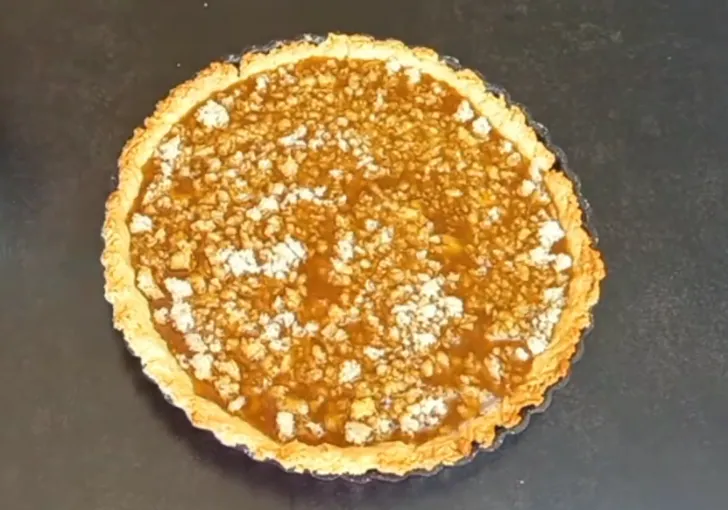
Spread the prepared fresh breadcrumbs evenly across the base of the blind-baked pastry shell. Slowly pour the golden syrup mixture over the breadcrumbs, allowing it to spread naturally throughout the tart.
Use the back of a spoon to gently distribute the filling if necessary, making sure the breadcrumbs are evenly coated. Avoid overfilling the pastry shell, leaving a little room for the filling to settle during baking.
Step 12 – Prepare the Lattice Pastry Topping
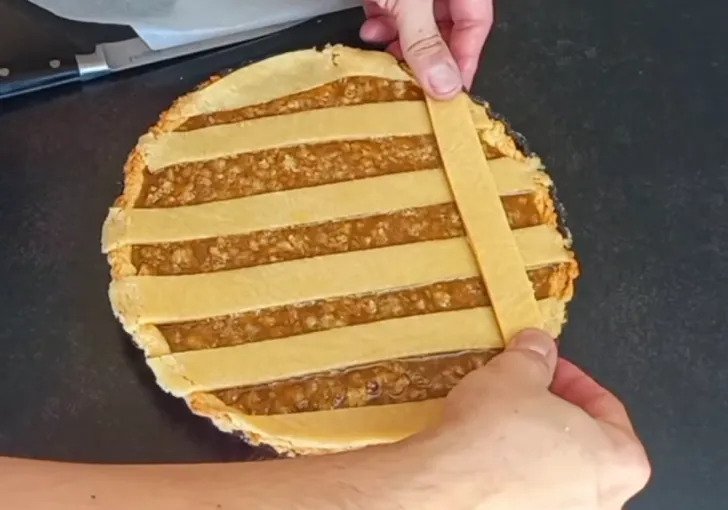
Remove the reserved pastry from the refrigerator and place it on a lightly floured work surface. Roll it out to approximately 3mm thickness. Using a sharp knife or pastry cutter, cut the pastry into long, even strips.
Arrange the strips across the top of the tart in a criss-cross pattern to create a traditional lattice design. Gently press the ends of the pastry strips against the edges of the tart shell to secure them in place.
Step 13 – Brush the Pastry with Egg Yolk
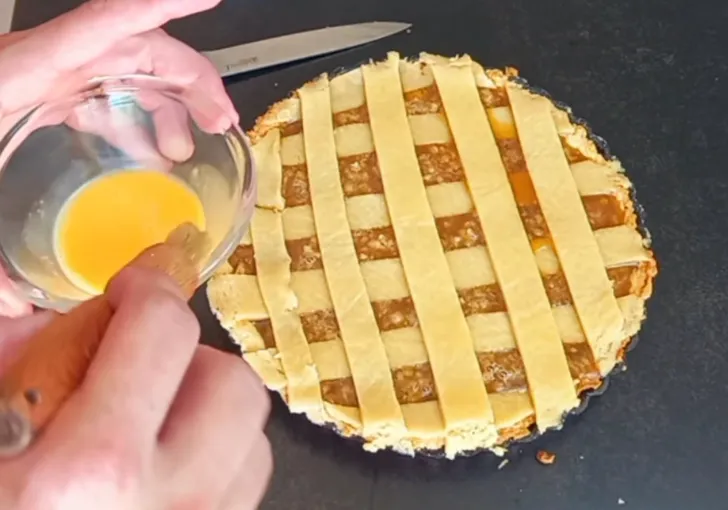
Place the egg yolk in a small bowl and beat it lightly with a fork. Using a pastry brush, gently coat the lattice strips with the beaten egg yolk. Make sure the egg wash is applied evenly without allowing excess egg to collect in the gaps between the pastry strips. This helps the lattice develop an attractive golden-brown finish during baking.
Step 14 – Bake the Treacle Tart
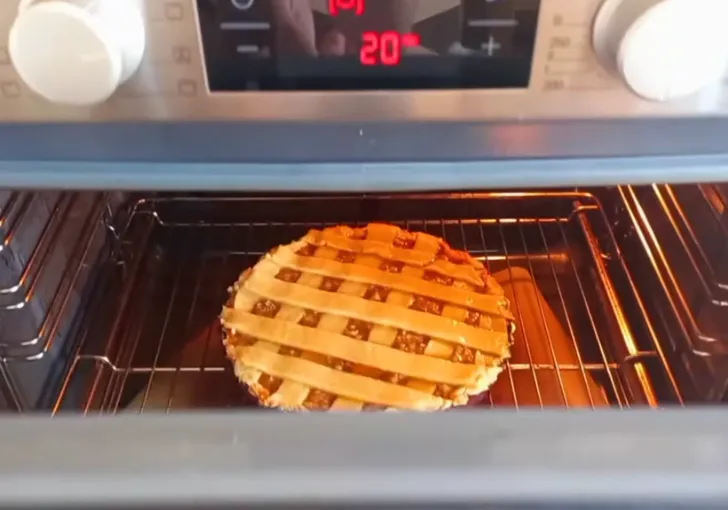
Preheat the oven to 180°C fan or 200°C conventional (Gas Mark 6), if necessary. Place the prepared tart on the middle shelf and bake for approximately 25–30 minutes, or until the lattice topping becomes golden brown and the filling is set around the edges.
The centre should retain a slight softness without appearing excessively liquid. Avoid overbaking, as the filling will continue to firm up slightly as the tart cools.
Step 15 – Cool and Serve
Remove the tart from the oven and place it on a wire rack. Allow it to cool in the tin until the filling has settled and the pastry is firm enough to handle.
Carefully remove the tart from the loose-bottomed tin and transfer it to a serving plate. Slice into portions using a sharp knife and serve slightly warm or at room temperature.
For a traditional British dessert, accompany each slice with pouring cream, custard or a scoop of vanilla ice cream.
How to Tell When Treacle Tart Is Properly Baked
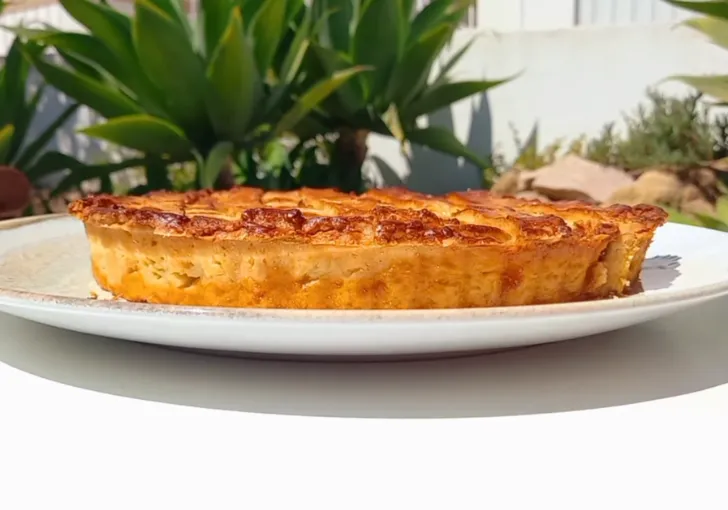
The lattice topping should be a deep, even golden brown — not pale, not too dark. Look at the filling around the edges: it should look fully set and no longer liquid.
The very centre can still have a gentle wobble, and that’s completely correct — it means the filling is still soft, and it firms up as the tart cools down.
If the filling still looks liquid all the way to the edges, give it another five minutes in the oven.
Never try to bake the wobble out completely — the filling continues to set as it cools, and overbaking makes it dense and dry.
Chef Secrets: Tips & Notes for Mary Berry Treacle Tart
- Warm the golden syrup tin briefly in a bowl of hot water before measuring. It pours out much more easily and doesn’t drag all over your scales.
- Weigh golden syrup rather than measuring by volume — it’s far more accurate. A damp tablespoon helps if you do need to spoon it out.
- Use a metal tart tin, not ceramic. Metal conducts heat better and gives a crisper, more evenly baked base every time.
- Rest the finished tart for at least 20 minutes before slicing. The filling needs time to fully firm up after coming out of the oven — cut it too soon and the slices won’t hold their shape.
- If the lattice starts browning too fast, loosely lay a piece of foil over the top for the remaining baking time. This slows the colour without stopping the filling from cooking through.
- Don’t skip resting the dough after mixing. An hour in the fridge really does change how the pastry handles and bakes. It’s the difference between a good tart and a great one.
Mistakes To Avoid While Making This Mary Berry Treacle Tart at Home
- Using warm butter: This can make the pastry greasy. Always start with cold butter straight from the fridge.
- Skipping the chilling time: The pastry may shrink during baking. Chill it for at least one hour.
- Not blind-baking the shell: This can leave you with a soggy base. Bake the empty shell before adding the filling.
- Adding eggs to hot syrup: The eggs may scramble. Let the syrup cool until warm first.
- Using dry breadcrumbs: They can create a firmer, less traditional filling. Use fresh white breadcrumbs.
- Cutting the tart too soon: The filling may run out. Allow the tart to cool and settle before slicing.
Mary Berry Treacle Tart Recipe Variations You Can Try
Dark Treacle Twist – Replace about a third of the golden syrup with black treacle for a deeper, slightly bitter flavour. The filling turns noticeably darker and more complex — works brilliantly alongside clotted cream or vanilla ice cream.
Ginger Spiced Treacle Tart – Add a teaspoon of ground ginger and a pinch of mixed spice to the filling. It adds a gentle warmth that works beautifully during the colder months without overpowering the classic flavour.
Mini Individual Tarts – Use four 10–12cm loose-bottomed tart tins for individual portions. Blind-bake for 12–15 minutes and bake with the filling for 18–20 minutes. Same great taste in a smaller, neater serving size.
Coconut Treacle Tart – Swap the fresh white breadcrumbs for desiccated coconut. The texture changes completely and the filling gets a lovely, subtle tropical edge. It bakes slightly faster, so keep an eye on it after the 20-minute mark.
Other Cooking Options for This Mary Berry Treacle Tart
Fan-assisted oven (recommended) 180°C fan is the ideal setting for this recipe. The circulating heat cooks the pastry evenly and helps the filling set properly without burning the edges. This is the most reliable method for consistent results.
Conventional oven Bake at 200°C (Gas Mark 6). Without a fan, ovens can cook unevenly, so rotate the tart halfway through if yours tends to have hot spots. Add around five extra minutes to the total baking time and keep a close eye on the colour of the lattice.
Individual tarts Use four 10–12cm loose-bottomed tart tins. Blind-bake for 12–15 minutes, then bake with the filling for 18–20 minutes. Same method, smaller size — handy for serving individually and much easier to plate neatly.
Making pastry by hand (no food processor) Rub cold, cubed butter into the flour and sugar with your fingertips until it resembles fine breadcrumbs. Work quickly to keep the mixture cold. Add cold water gradually, one tablespoon at a time, until the dough just holds together. It takes a little more effort but produces just as good a result.
Storing Leftovers, Freezing & Reheating Instructions
Storing Leftovers
Allow the tart to cool completely before storing it. Place any leftover slices in an airtight container and keep them in the fridge. They are best enjoyed within 3–4 days.
You can eat the tart cold or bring a slice to room temperature before serving. Keep it covered so the pastry doesn’t pick up smells from other foods in the fridge.
Freezing Treacle Tart
You can freeze the baked tart if you want to save some for later. Let it cool completely, then cut it into individual portions. Wrap each slice tightly in cling film and place it in a freezer-safe container or bag. Freeze for up to 2 months for the best quality.
Defrost overnight in the fridge before serving. The pastry may soften slightly after freezing, but the filling should remain enjoyable.
Reheating Instructions
For a warm slice, place it on an oven-safe plate and heat in a preheated oven at 150°C fan for around 8–10 minutes. Check that it is warmed through before serving. Avoid using a very high temperature, as the pastry can become too dark before the filling warms.
You can also use a microwave for a quick portion. Heat in short bursts of 15–20 seconds, checking between each one. The pastry will be softer when microwaved.
Mary Berry Treacle Tart Recipe FAQs
What is a traditional British treacle tart made of?
Traditional treacle tart is made with shortcrust pastry, golden syrup, fresh breadcrumbs and lemon juice. Some versions also include eggs and butter to help the filling set and add richness. The mixture is baked inside a pastry shell until the edges are set and the top is golden. It is usually served with custard or cream.
Why is my treacle tart filling too runny?
A runny filling can happen if the tart hasn’t baked for long enough or hasn’t had enough time to cool. The filling is naturally softer when hot and becomes firmer as it settles. Check that the edges are set before removing the tart from the oven. Allow it to cool properly before cutting. Also check that you have measured the breadcrumbs and eggs correctly.
Can I make Mary Berry Treacle Tart Recipe without a food processor?
Yes, you can make the whole recipe without a food processor. Rub the cold butter into the flour and sugar with your fingertips until the mixture resembles fine breadcrumbs. Add cold water gradually and bring the dough together. For the filling, grate fresh white bread using a box grater. It takes a little more effort, but the result will still be lovely.
Why do you use breadcrumbs in treacle tart?
Breadcrumbs are an important part of traditional treacle tart. They absorb the golden syrup mixture and help create the familiar soft, slightly textured filling. Without them, the filling would be much more liquid and wouldn’t have the same consistency. Fresh white breadcrumbs are a good choice because they absorb the syrup without making the tart too firm.
Can I use golden syrup instead of treacle?
Golden syrup is actually the traditional sweet ingredient used in this style of treacle tart. Despite its name, the recipe doesn’t need black treacle. Golden syrup has a lighter colour and a mild caramel-like sweetness. Black treacle has a much stronger, darker flavour and would change the taste of the dessert considerably.
How do I stop the pastry from shrinking?
The best way to reduce pastry shrinkage is to keep the butter cold, avoid overworking the dough and chill it for at least one hour. When lining the tart tin, gently fit the pastry into the corners without stretching it. Stretching creates tension, which can make the pastry pull back during baking. Blind baking with baking beans also helps the shell hold its shape.
Can I make treacle tart the day before?
Yes, treacle tart is a good dessert to make ahead. Bake it fully, allow it to cool and keep it covered in the fridge. It will hold well for a few days when stored properly. You can serve it cold, bring it to room temperature or warm individual slices gently in the oven before serving.
How do I know when my treacle tart is ready?
Look for a golden lattice topping and filling that appears set around the edges. The middle should have a slight wobble rather than looking completely liquid. Don’t wait for the centre to become hard in the oven, because it will continue to firm up as it cools. If the edges still look very loose, bake for a few more minutes and check again.
Can I freeze homemade treacle tart?
Yes, homemade treacle tart freezes well for up to 2 months for the best quality. Cool it completely before cutting it into slices. Wrap each portion tightly and store it in a freezer-safe container. When you want to serve it, thaw it overnight in the fridge. Warm it gently in the oven if you prefer a slightly warm pudding.
Should treacle tart be served hot or cold?
You can serve treacle tart slightly warm, at room temperature or chilled. I prefer it slightly warm because the filling becomes soft and sticky, and it goes particularly well with cold pouring cream or vanilla ice cream. If you want neater slices, let it cool completely first. The filling will be firmer and easier to cut.
What type of pastry is best for treacle tart?
Shortcrust pastry is the best choice for traditional treacle tart. It creates a firm, buttery shell that holds the sticky filling without becoming too soft. This recipe uses plain flour, caster sugar and cold unsalted butter. Keep the dough chilled before rolling and blind-bake the shell to help it stay crisp underneath the filling.
Can I use shop-bought pastry for treacle tart?
Yes, ready-made shortcrust pastry is a useful option if you are short on time. Choose a plain shortcrust pastry rather than puff pastry. Let it soften slightly according to the packet instructions before rolling it into the tart tin. You will still need to blind-bake the shell before adding the filling. The homemade version has a lovely buttery taste, but shop-bought pastry can save preparation time.
Why does my treacle tart have a soggy bottom?
A soggy bottom usually means the pastry hasn’t cooked enough before the filling was added. Blind baking helps prevent this by giving the pastry base a head start. Make sure you remove the baking beans and cook the shell for another five minutes until the base looks dry. Also avoid adding the filling while the pastry is very hot or allowing the finished tart to sit in the tin for too long.
Can I use brown bread for the breadcrumbs?
You can use brown bread, but it will change the traditional taste and appearance. Brown bread has a stronger flavour and gives the filling a darker colour. Fresh white breadcrumbs are the better choice for a classic treacle tart because they have a mild taste and absorb the syrup evenly. If using brown bread, remove the crusts and make the crumbs fine.
How long does homemade treacle tart last?
When stored in an airtight container in the fridge, homemade treacle tart should keep for around 3–4 days. Let it cool completely before covering and storing it. Avoid leaving it at room temperature for long periods. If you have more than you can eat within a few days, freezing individual slices is a handy way to save the leftovers.
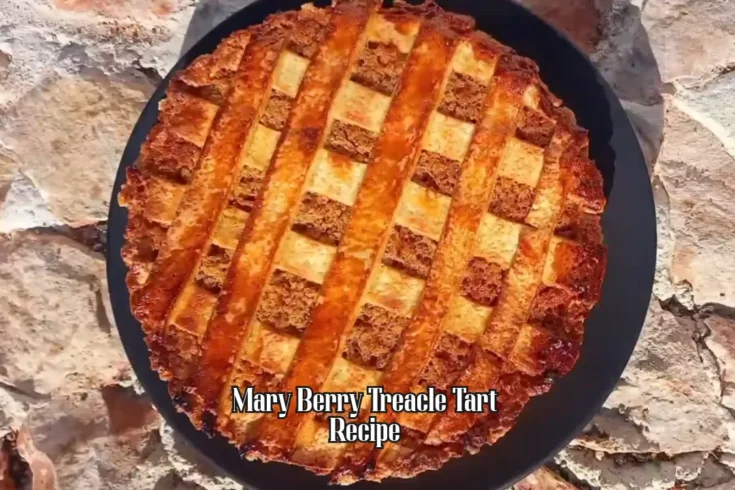
Mary Berry Treacle Tart Recipe (a traditional british dessert)
This Mary Berry Treacle Tart Recipe brings a proper British pudding to your kitchen with buttery shortcrust pastry, sticky golden syrup filling, fresh breadcrumbs and a hint of lemon. I love how the double cream makes each slice smooth without making it too sweet. With 30 minutes of preparation and simple steps, this traditional treacle tart is lovely for weekend baking. Serve yours slightly warm with creamy custard, a drizzle of pouring cream or a scoop of vanilla ice cream.
Ingredients
For the pastry:
- 250g plain flour, plus extra for dusting
- 50g caster sugar
- 125g unsalted butter, cold and cubed
- 2–3 tablespoons cold water
For the treacle filling:
- 400g golden syrup
- 50g unsalted butter
- 1 tablespoon fresh lemon juice
- 2 tablespoons double cream
- 2 medium eggs, lightly beaten
- 150g fresh white breadcrumbs
- For the topping:
- 1 egg yolk, beaten, for brushing
For preparing the tart tin:
- A little unsalted butter for greasing
- Baking paper for lining
- Baking beans or ceramic baking weights for blind baking
Instructions
- Prepare the Shortcrust Pastry: Add the plain flour and caster sugar to a food processor and pulse several times. Add the cold, cubed unsalted butter and pulse until the mixture resembles fine breadcrumbs. Gradually add 2 tablespoons of cold water and process until the mixture starts coming together. Add the remaining tablespoon of water if needed.
- Shape and Chill the Pastry: Transfer the pastry mixture onto a lightly floured work surface or baking mat. Gently bring it together and fold a few times to form a smooth dough. Shape into a flat disc, wrap in cling film and refrigerate for at least 1 hour.
- Roll Out the Pastry: Place the chilled dough on a lightly floured surface and roll it out evenly to approximately 3mm thickness. Divide the pastry into two portions, reserving one-third for the lattice topping and using the remaining two-thirds for the tart shell.
- Prepare the Tart Tin: Lightly grease a 23cm loose-bottomed tart tin with unsalted butter. Transfer the larger portion of pastry into the tin, gently pressing it into the base and sides. Trim away the excess pastry with a sharp knife and keep the reserved portion covered in the refrigerator.
- Prepare the Pastry Shell for Blind Baking: Prick the pastry base several times with a fork. Cover the pastry with baking paper, ensuring it reaches the sides, and fill with baking beans or ceramic baking weights.
- Blind Bake the Pastry: Preheat the oven to 180°C fan or 200°C conventional (Gas Mark 6). Bake the pastry shell for 20 minutes, then carefully remove the baking paper and weights. Return the shell to the oven for another 5 minutes until the base looks dry and lightly golden.
- Prepare the Fresh Breadcrumbs: Cut fresh white bread into smaller pieces and place them in a food processor. Process until fine breadcrumbs form, then measure out 150g and set aside.Melt the Golden
- Syrup and Butter: Place the golden syrup and 50g unsalted butter in a saucepan over low heat. Add the fresh lemon juice and stir until the butter melts and the ingredients are thoroughly combined. Remove from the heat.
- Add the Double Cream: Pour the double cream into the warm golden syrup mixture and stir until fully incorporated. Allow the mixture to cool slightly.
- Incorporate the Beaten Eggs: Lightly beat the two medium eggs in a separate bowl. Gradually add them to the cooled golden syrup mixture, stirring continuously until smooth and evenly combined.
- Fill the Pastry Shell: Spread the fresh breadcrumbs evenly across the base of the blind-baked pastry shell. Slowly pour the golden syrup mixture over the breadcrumbs, distributing it evenly throughout the tart.
- Prepare the Lattice Pastry Topping: Roll out the reserved pastry to approximately 3mm thickness. Cut it into long, even strips using a sharp knife or pastry cutter. Arrange the strips across the tart in a criss-cross pattern and press their ends gently against the pastry edges.
- Brush the Pastry with Egg Yolk: Lightly beat the egg yolk in a small bowl. Use a pastry brush to coat the lattice strips evenly with the beaten egg yolk.
- Bake the Treacle Tart: Place the tart on the middle shelf of the preheated oven at 180°C fan or 200°C conventional (Gas Mark 6). Bake for 25–30 minutes, until the lattice topping is golden brown and the filling is set around the edges.
- Cool and Serve: Remove the tart from the oven and place it on a wire rack. Allow it to cool in the tin until the filling has settled, then carefully remove it and transfer it to a serving plate. Slice and serve slightly warm or at room temperature with pouring cream, custard or vanilla ice cream.
Nutrition Information:
Serving Size:
8 slicesAmount Per Serving: Calories: 485
This Mary Berry Treacle Tart Recipe is a lovely way to bring a traditional British pudding into your kitchen.
The buttery pastry, sticky golden syrup filling and simple lattice topping make a dessert that is full of familiar flavours.
Take your time with the pastry, use fresh breadcrumbs and let the tart cool before slicing. These small steps make a real difference to the finished result.