
Mary Berry Fish Pie Recipe (No Mash, No White Sauce)
Mary Berry Fish Pie Recipe is one I like when I want a cosy fish supper without making a pile of pans. This is Mary Berry’s cheat-style fish pie from Mary Berry Everyday, and it is quite different from the classic mashed-potato fish pie many of us know.
I love the mix of smoked haddock, potatoes, cauliflower, Gruyère, fresh parsley and chives. The cream and cornflour make a quick sauce right in the dish.
There is no separate mashed-potato topping and no traditional white sauce to make. That is the clever bit.
This fish pie dish has a rich, savoury taste from the smoked haddock and Gruyère, while the cauliflower keeps it from feeling too heavy. I first liked this recipe because it saves time but still feels like proper home cooking.
If you enjoy creamy fish dishes, this one is well worth trying. Get your potatoes, haddock and cheese ready, then let’s make it.

What Fish is Best for This Fish Pie
Undyed smoked haddock is my best choice for this fish pie. It has a firm texture, a gentle smoky taste and enough flavour to stand up to the cream and Gruyère.
I prefer a good-quality smoked haddock fillet from the fish counter when I can get it. It gives the pie a lovely taste without needing lots of seasoning. You can use fresh haddock, but the finished dish will be milder.
I would not pick a very delicate white fish here. The smoked haddock works especially well with the cheese, cream and fresh herbs. Just check the fillet carefully for bones before cutting it.
Why This Mary Berry Fish Pie is Totally Different from Others
No mashed potato topping – I don’t mash the potatoes at all. I boil them briefly, then let them finish cooking in the oven.
No white sauce – There is no flour-and-butter sauce to cook on the hob. I simply whisk cornflour into pouring cream and pour it over the fish.
Cauliflower joins the potatoes – This gives the pie a softer, lighter feel and adds a little bite to each serving.
Gruyère brings the flavour – I use grated Gruyère for its nutty taste and lovely golden finish. Cheddar works too, but Gruyère gives this version its special touch.
Smoked haddock does the heavy lifting – The smoky fish gives the creamy sauce plenty of flavour, so I only need a little salt and pepper.
Perfect For
Midweek tea when you want something warm and filling – this fish pie comes straight from the oven and sorts dinner without much effort.
When you fancy fish but not frying – everything bakes in one dish, so there is no standing over a pan.
Using up potatoes from the cupboard – it turns simple potatoes into a proper oven-baked meal.
Easy Sunday supper with greens – I often serve it with peas or steamed broccoli on the side.
Getting food ready before everyone sits down – it cooks in the oven while you get on with other bits.
Creamy fish lovers who skip white sauce – the cornflour and cream mix does the job in one go.
Mary Berry Fish Pie Ingredients
350g Potatoes – I use floury or all-round potatoes that hold their shape after a short boil. Maris Piper is easy to find in UK shops and works nicely. I cut the potatoes into even pieces so they cook at the same rate. There is no need to mash them.
Cauliflower florets – Use fresh cauliflower and cut it into small, even florets. A medium cauliflower gives you enough for the dish, with a little left if the head is large. I like the florets to stay slightly firm because they soften more in the oven.
Haddock fillet – I choose an undyed smoked haddock fillet with a clean, fresh smell. Ask your fishmonger for a boneless piece if available, but still check it yourself. Cut it into generous chunks so the fish stays moist during baking.
100g Gruyère cheese – Gruyère gives the pie a rich, nutty taste and melts into a lovely golden top. I grate it fresh rather than buying ready-grated cheese. Look for brands such as Le Gruyère AOP in larger UK supermarkets or use a good supermarket Gruyère.
300ml pouring cream – Pouring cream makes the sauce rich without the need for a separate white sauce. I use a plain British pouring cream, such as Tesco, Sainsbury’s or M&S own-brand cream. Keep it chilled until you are ready to whisk it with the cornflour.
1 heaped tablespoon cornflour – Cornflour is the little trick that makes this fish pie so easy. It thickens the cream as the dish cooks and gives the sauce a smooth texture. Any plain supermarket cornflour will do. Whisk it well into the cold cream before pouring.
Fresh chives – Fresh chives add a mild onion taste without taking over the fish. I chop them fairly small so they spread through the dish. Fresh chives are best here, but a small amount of frozen chives can work if fresh ones are hard to find.
Fresh parsley – Flat-leaf parsley gives the creamy pie a fresh lift. I chop a generous handful just before using it. Curly parsley is fine too, although I find flat-leaf parsley easier to chop and a little more flavoursome.
Salt – I use salt with care because smoked haddock and Gruyère already bring plenty of savoury flavour. A small pinch over the vegetables is enough to start with. Taste the finished sauce only if needed, and remember that the smoked fish can be quite salty.
Black pepper – Freshly ground black pepper adds a gentle warmth to the potatoes, cauliflower and cream. I keep it fairly light because I want the smoked haddock to stand out. A few twists from a pepper mill are plenty for this amount of fish.
Paprika – A tiny pinch of paprika goes over the top before baking. I use it mainly for a warm colour with a little extra flavour. Sweet paprika is the easy choice. You only need a small amount, so don’t cover the cheese with it.
How To Make Mary Berry Fish Pie at Home
Step 01 – Boil the Potatoes
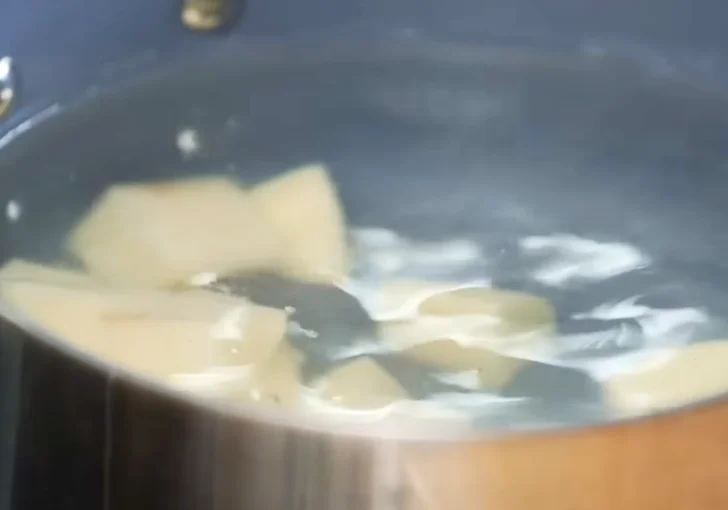
Place the 350g potatoes in a saucepan, cover with water and bring to the boil. Cook for about 4 minutes before adding the cauliflower. The potatoes should be partially cooked rather than completely soft, as the vegetables will finish cooking in the oven.
Step 02 – Prepare the Haddock
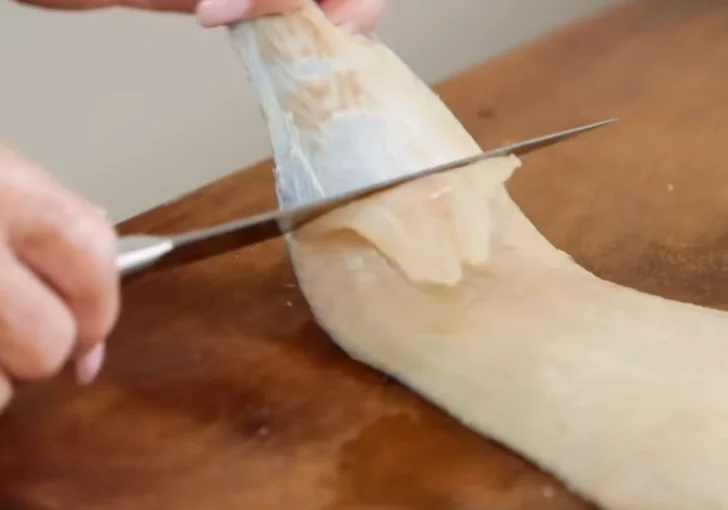
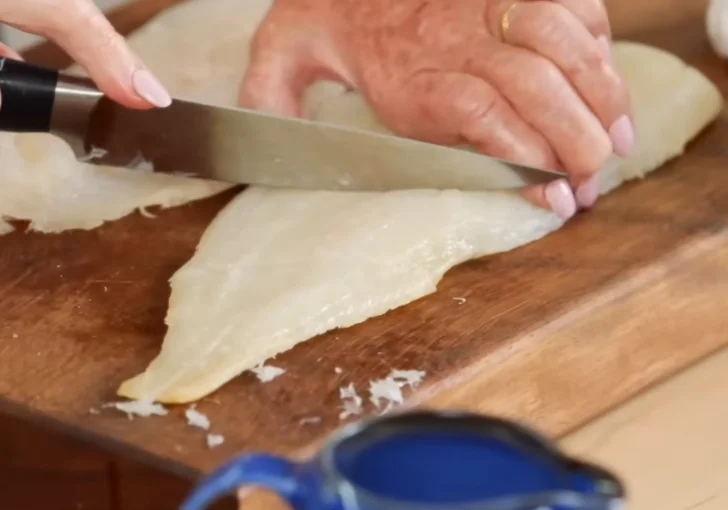
While the potatoes are cooking, remove the skin from the haddock. Start at the tail end and use a knife with a gentle sawing action to work along the fillet, keeping the blade close to the skin. Run your fingers over the fish afterwards to check carefully for any remaining bones, removing any you find.
Step 03 – Cut the Fish
Cut the skinned haddock into generous pieces. Keep the pieces substantial rather than cutting the fish too small, so they remain moist and tender while the pie cooks.
Step 04 – Add the Cauliflower
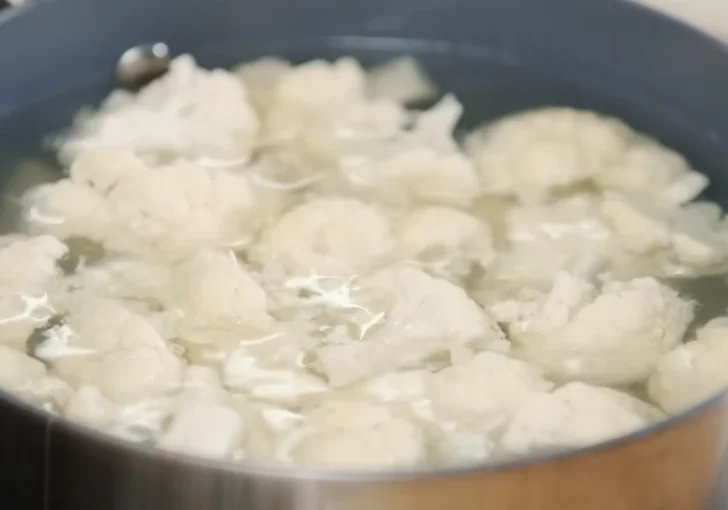
After the potatoes have cooked for about 4 minutes, add the cauliflower florets to the saucepan. Continue cooking until the cauliflower is just tender but still has some bite. Avoid overcooking the vegetables because they will cook further in the oven.
Step 05 – Drain the Vegetables
Drain the potatoes and cauliflower thoroughly in a colander. Removing excess water is important so the finished sauce does not become unnecessarily watery.
Step 06 – Arrange the Vegetables
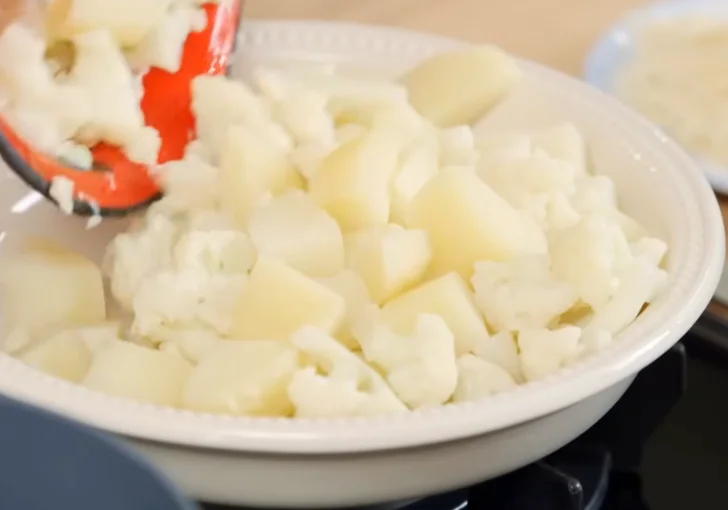
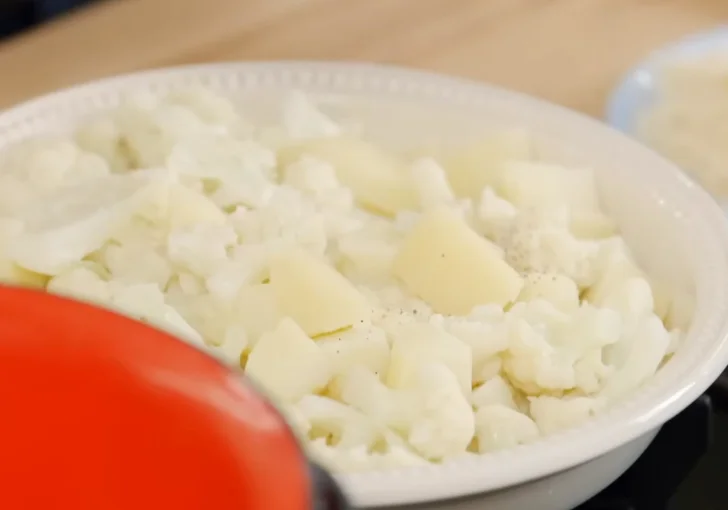
Tip the drained potatoes and cauliflower into an ovenproof dish and spread them out evenly. Season with a light sprinkling of salt and a little black pepper.
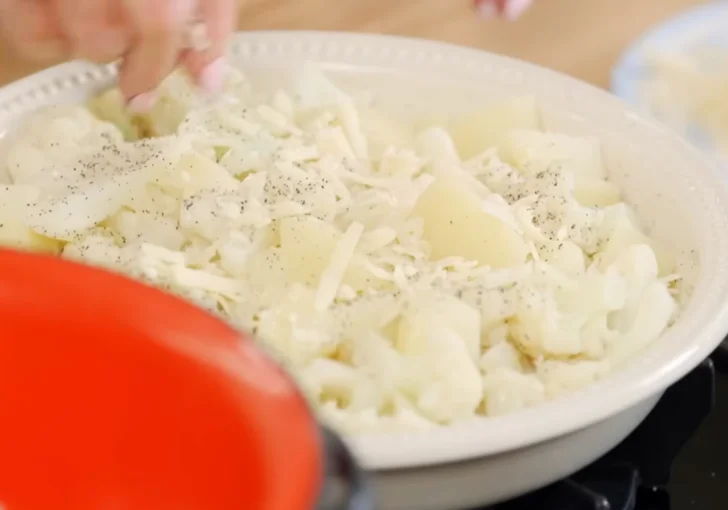
Step 07 – Add the First Layer of Gruyère
Grate the 100g Gruyère cheese and sprinkle half of it evenly over the potatoes and cauliflower. The cheese will melt during baking and add a rich, nutty flavour to the vegetables.
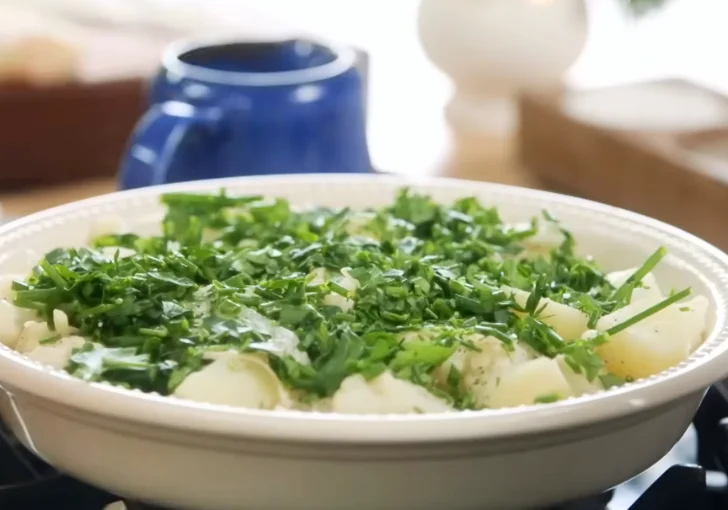
Step 08 – Add the Fresh Herbs
Scatter a generous amount of freshly chopped chives and parsley over the vegetables and cheese. The herbs add colour and fresh flavour to the otherwise pale ingredients.
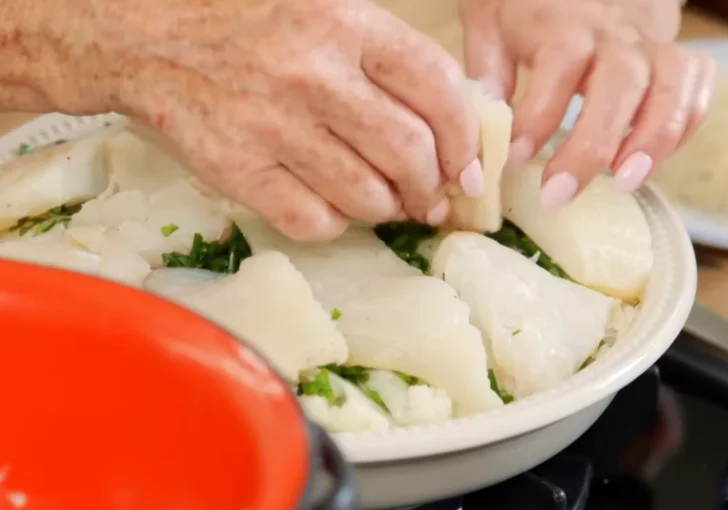
Step 09 – Arrange the Haddock
Place the haddock pieces over the entire surface of the vegetables, covering the top as evenly as possible. Arrange the pieces so the thicker portions are towards the outside of the dish and thinner portions point towards the centre. This helps the fish cook more evenly because the heat reaches the dish from the sides.
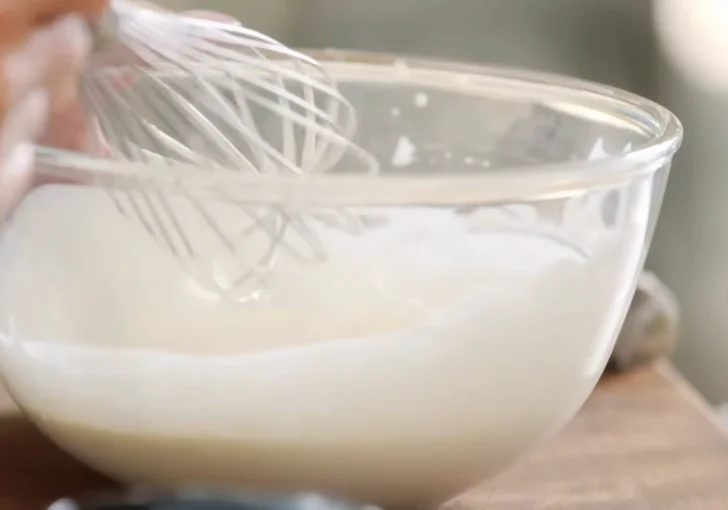
Step 10 – Make the Quick Cream Sauce
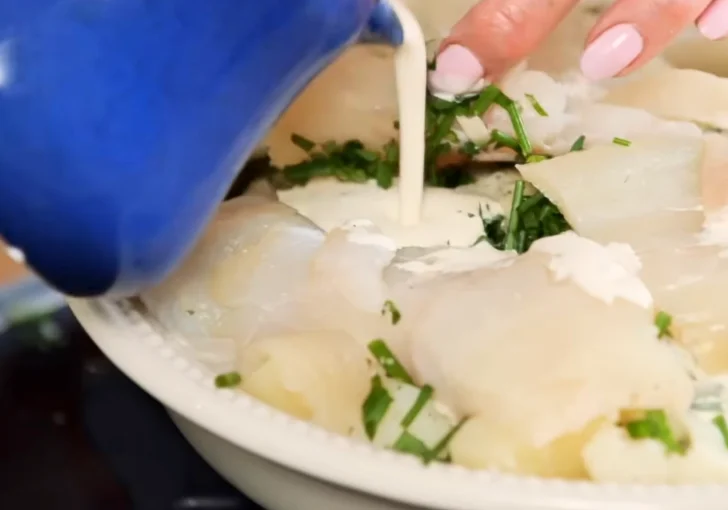
Put 1 heaped tablespoon of cornflour into a bowl or jug. Add 300ml pouring cream and whisk thoroughly until completely smooth and free of lumps. The cornflour thickens the cream as the pie cooks and gives the finished sauce a smooth, glossy texture.
Step 11 – Pour Over the Sauce
Pour the cream and cornflour mixture evenly over the fish. You do not need to completely cover every piece with a thick layer; spread the liquid as evenly as possible over the surface so it can work its way down through the fish and vegetables during cooking.
Step 12 – Finish with Gruyère and Paprika
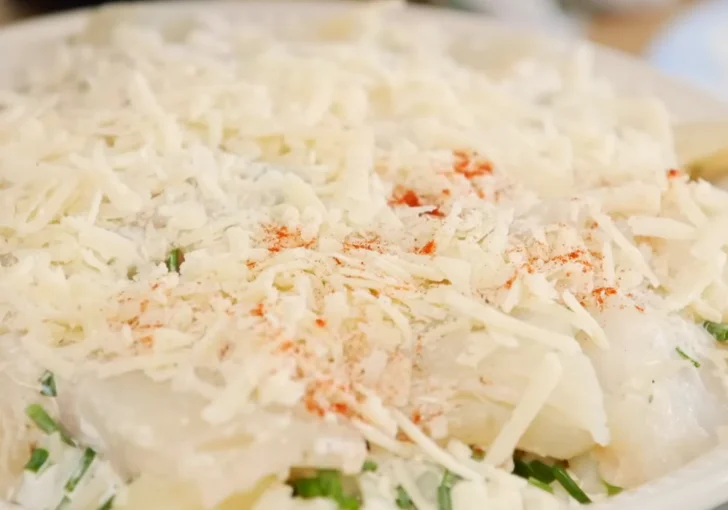
Sprinkle the remaining 50g grated Gruyère over the top. Finish with a small pinch of paprika, scattering it lightly across the surface for extra colour.
Step 13 – Bake the Fish Pie
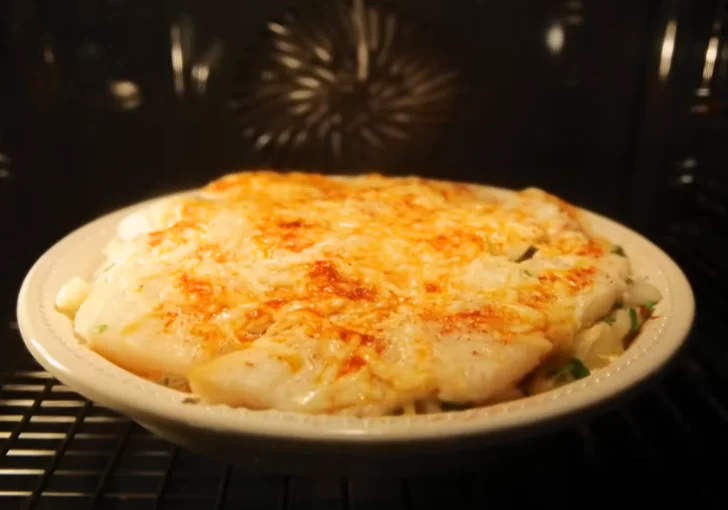
Place the dish in a preheated oven at 180°C fan and bake for approximately 20 minutes. The fish should be cooked through, the cream sauce should be bubbling around the edges, and the Gruyère should have melted into a rich golden-brown topping.
Step 14 – Check and Serve
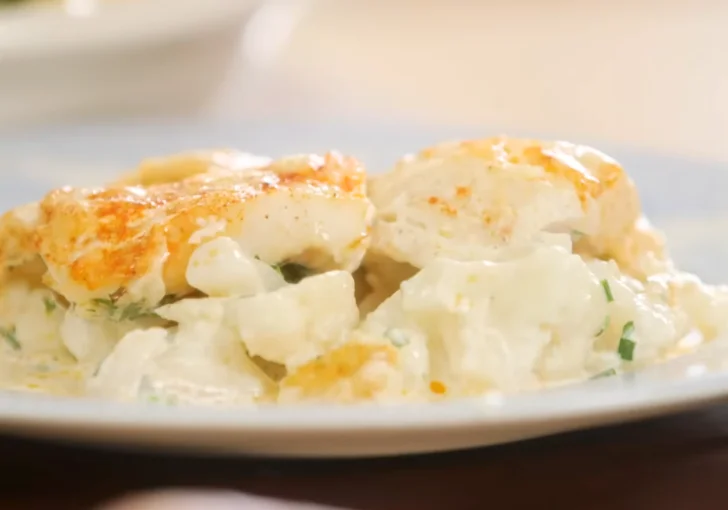
Remove the fish pie from the oven once the edges are bubbling and the top is beautifully browned. Allow it to settle briefly before serving, then spoon portions of the creamy haddock, potatoes and cauliflower onto plates, making sure each serving gets plenty of the fresh herbs and melted cheese.
How to Tell When the Fish Pie Is Done
I don’t rely on the 20-minute mark alone. I look at the dish before taking it from the oven.
First, check for bubbling around the edges. This tells me the cream sauce is properly hot and has started to thicken. The top should have golden melted Gruyère, not pale cheese that still looks wet.
The potatoes and cauliflower should be tender but not falling apart. If you can easily push a knife through a potato piece, that’s a good sign.
The haddock should look opaque and cooked through in the centre. If you have a food thermometer, fish should reach a safe internal temperature of 63°C.
Finally, the cream sauce should look hot and slightly thick rather than thin and milky. If the top is brown but the sauce is still cool and loose, give the pie a little more time.
Chef Tips & Notes for Perfect Mary Berry Fish Pie
Dry the vegetables well – Excess water can make the cream sauce thin.
Keep the fish chunky – Small pieces can dry out before the pie is ready.
Check smoked haddock for bones – Even fillets sold as boneless can sometimes contain a stray bone.
Whisk the cornflour properly – Mix it into cold cream until smooth.
Don’t overdo the salt – Smoked haddock and Gruyère already have a salty taste.
Use fresh cheese – Freshly grated Gruyère melts more evenly.
Don’t overcook the vegetables – They still have oven time ahead.
Let the pie settle – A few minutes makes serving much easier.
What to Serve With Mary Berry Fish Pie
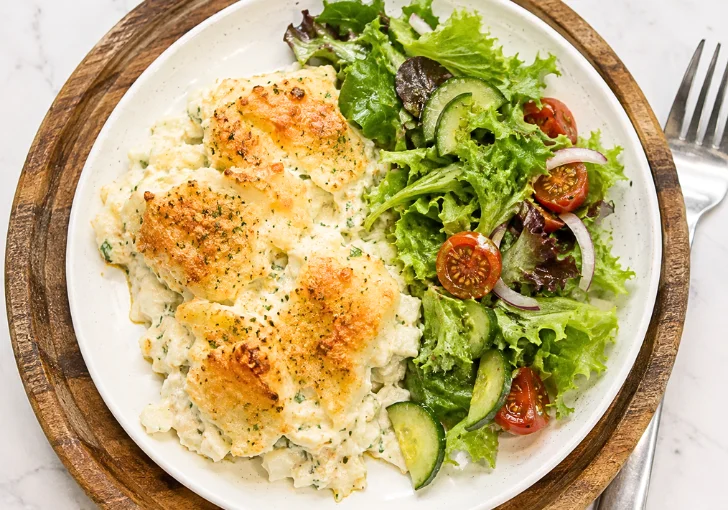
This fish pie already has potatoes, cauliflower, cheese and a creamy sauce, so I like to keep the sides fresh and simple.
Steamed green beans are a good match, as are peas, broccoli or lightly cooked spring greens.
A crisp green salad can work if you want something cooler beside the hot pie.
For a bigger meal, a small portion of buttered greens is plenty. I would skip heavy chips or extra cheese because the pie is rich enough on its own.
A spoonful of green vegetables on the plate also gives the meal a nice bit of colour.
Make-Ahead, Storing Leftover & Reheating
Make-Ahead
I prefer this fish pie fresh from the oven, but you can prepare parts of it in advance. Cook the potatoes and cauliflower, drain them well and let them cool completely. You can also cut the haddock and grate the cheese ahead of time.
Keep everything covered in the fridge, then assemble the dish with the fish, cheese, herbs and cream just before baking for the best texture.
Storing Leftover
If you have leftover fish pie, let it cool fully first. Then cover the dish or transfer portions into an airtight container. Store in the fridge within 2 hours of cooking and keep it for up to 2 days. The sauce may thicken a little in the fridge, but the flavour stays good if stored properly.
Reheating
To reheat, place the portion in an ovenproof dish and warm it in the oven at 180°C fan until it is piping hot all the way through. This usually takes around 15–20 minutes depending on the portion size. If the top starts to brown too quickly, cover it loosely with foil.
I don’t recommend the microwave because it makes the sauce loose and the topping soft instead of nicely golden.
Mary Berry Fish Pie Recipe FAQs
Can I use fresh haddock instead of smoked haddock?
Yes, you can use fresh haddock. The pie will still have the creamy texture and cheesy top, but the flavour will be milder. Smoked haddock is my first choice because its smoky taste works so well with Gruyère and cream. If using fresh haddock, season the vegetables and sauce with a little extra care, but don’t add too much salt.
Can I use dyed smoked haddock?
You can, although I prefer undyed smoked haddock for this recipe. Dyed smoked haddock is safe to use when bought from a reliable source, but it can give the fish a stronger yellow colour. The dye does not make the pie taste better, so I normally choose the undyed fillet when it is available.
Do I have to use Gruyère cheese?
No. Gruyère gives the pie a nutty, rich flavour, but mature cheddar is a very good replacement. Comté is another nice choice if you have it. If using cheddar, pick a mature one so you still get plenty of flavour. Grate the cheese yourself if possible, as it melts nicely over the top.
Why do I need cornflour in the cream?
The cornflour thickens the cream as the pie cooks. It means you don’t have to make a separate white sauce on the hob. This is one of the reasons I like this cheat-style fish pie. Whisk the cornflour into the cold cream first. If you add it badly, small lumps can remain in the sauce.
How do I know if the smoked haddock has bones?
Run clean fingers gently over the whole fillet after removing the skin. You may feel small pin bones sticking out from the flesh. Pull them out with clean kitchen tweezers or your fingers. Even if the fish is sold as boneless, I still check it. It only takes a minute and makes serving much nicer.
Can I use frozen cauliflower?
Yes, frozen cauliflower can work. You don’t need to fully cook it before adding it to the dish. Drain it well if you cook it first, as extra water can make the sauce thinner. Fresh cauliflower gives a firmer bite, but frozen is handy when you need a quick dinner from ingredients already in the freezer.
Why did my fish pie turn watery?
The most common reason is excess water from the vegetables or fish. Drain the potatoes and cauliflower very well before putting them into the dish. Also check that the haddock is not carrying a lot of liquid. Whisking the cornflour properly into the cream helps the sauce thicken, but it cannot fully correct a dish with lots of extra water.
What size ovenproof dish should I use?
Use a dish that lets the potatoes and cauliflower sit in a fairly even layer, with enough room for the fish and cream on top. Avoid a very deep, narrow dish because the centre can take longer to heat. A broad ovenproof dish works well and also gives you more golden cheese on top.
Is this the same as a traditional British fish pie?
No. A traditional British fish pie often has fish in a creamy white sauce with mashed potato spread over the top. This Mary Berry version takes a shortcut.

Mary Berry Fish Pie Recipe
Mary Berry Fish Pie Recipe is my take on a creamy British fish supper, made with smoked haddock, potatoes, cauliflower, Gruyère, fresh herbs and a quick cream sauce. There is no mashed potato topping or separate white sauce, so prep stays simple and the pie is ready in about 35 minutes. I use undyed smoked haddock for the best flavour and a golden Gruyère finish. Serve your fish pie with green beans, peas or steamed broccoli for a comforting meal.
Ingredients
- 350g potatoes, peeled and cut into suitable pieces
- Cauliflower florets, enough to combine with the potatoes in the ovenproof dish
- Haddock fillet, skinned and cut into generous pieces
- 100g Gruyère cheese, grated
- 300ml pouring cream
- 1 heaped tablespoon cornflour
- Fresh chives, generously chopped
- Fresh parsley, generously chopped
- Salt, to taste
- Black pepper, to taste
- Paprika, a small pinch for sprinkling
Equipment
- Large saucepan
- Sharp knife
- Colander
- Ovenproof dish
- Grater
- Mixing bowl or jug
- Whisk
- Oven
Instructions
- Place the 350g potatoes in a saucepan, cover with water and bring to the boil. Cook for about 4 minutes before adding the cauliflower.
- While the potatoes are cooking, remove the skin from the haddock. Start at the tail end and use a knife with a gentle sawing action to work along the fillet, keeping the blade close to the skin. Run your fingers over the fish afterwards to check carefully for any remaining bones, removing any you find.
- Cut the skinned haddock into generous pieces. Keep the pieces substantial rather than cutting the fish too small, so they remain moist and tender while the pie cooks.
- After the potatoes have cooked for about 4 minutes, add the cauliflower florets to the saucepan. Continue cooking until the cauliflower is just tender but still has some bite.
- Drain the potatoes and cauliflower thoroughly in a colander. Removing excess water is important so the finished sauce does not become unnecessarily watery.
- Tip the drained potatoes and cauliflower into an ovenproof dish and spread them out evenly. Season with a light sprinkling of salt and a little black pepper.
- Grate the 100g Gruyère cheese and sprinkle half of it evenly over the potatoes and cauliflower.
- Scatter a generous amount of freshly chopped chives and parsley over the vegetables and cheese.
- Place the haddock pieces over the entire surface of the vegetables, covering the top as evenly as possible. Arrange the pieces so the thicker portions are towards the outside of the dish and thinner portions point towards the centre.
- Put 1 heaped tablespoon of cornflour into a bowl or jug. Add 300ml pouring cream and whisk thoroughly until completely smooth and free of lumps.
- Pour the cream and cornflour mixture evenly over the fish. You do not need to completely cover every piece with a thick layer; spread the liquid as evenly as possible over the surface so it can work its way down through the fish and vegetables during cooking.
- Sprinkle the remaining 50g grated Gruyère over the top. Finish with a small pinch of paprika, scattering it lightly across the surface for extra colour.
- Place the dish in a preheated oven at 180°C fan and bake for approximately 20 minutes.
- Remove the fish pie from the oven once the edges are bubbling and the top is beautifully browned. Allow it to settle briefly before serving, then spoon portions of the creamy haddock, potatoes and cauliflower onto plates, making sure each serving gets plenty of the fresh herbs and melted cheese.
Nutrition Information:
Serving Size:
1 portionAmount Per Serving: Calories: 620Total Fat: 38gSodium: 850mgCarbohydrates: 40gProtein: 34g
I really like this Mary Berry Fish Pie Recipe because it gives you the comfort of a creamy fish pie without the extra work of making mashed potato and a white sauce.
The smoked haddock, Gruyère, potatoes, cauliflower and fresh herbs all have a place, and the quick cream sauce pulls it together nicely.
Give it a go when you fancy a proper oven-baked fish supper. Keep the fish chunky, drain those vegetables well and let the cheese turn golden on top.